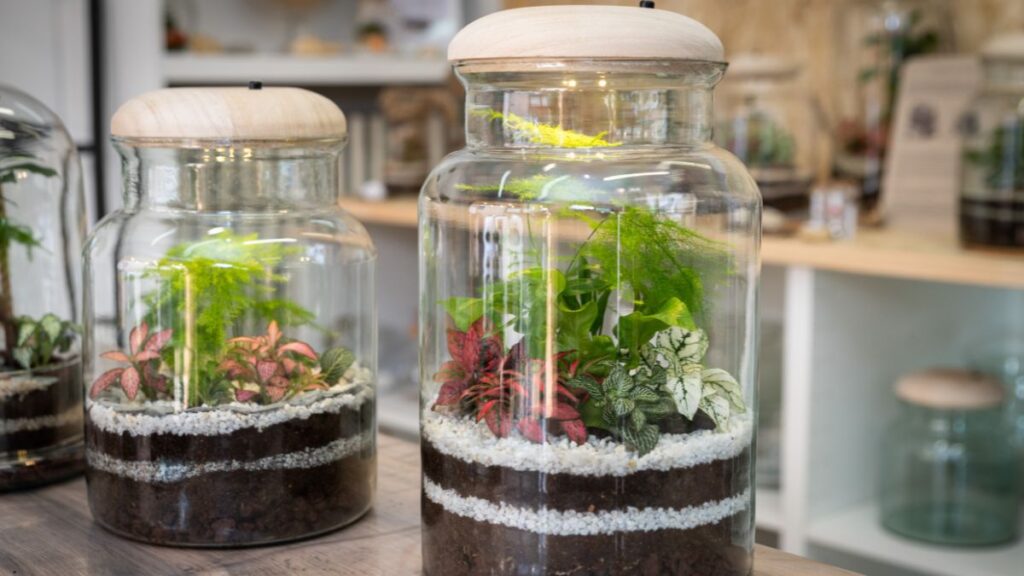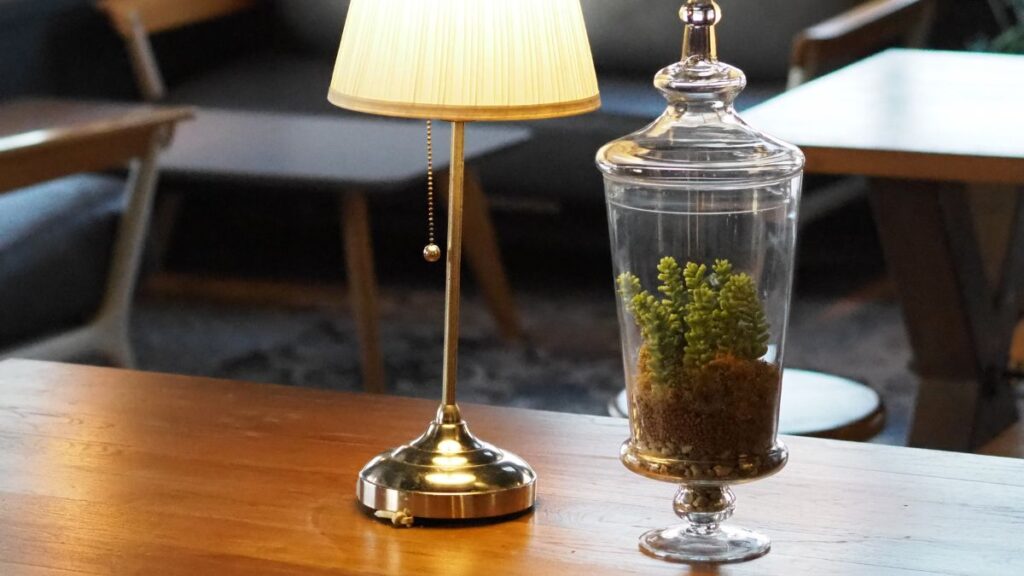
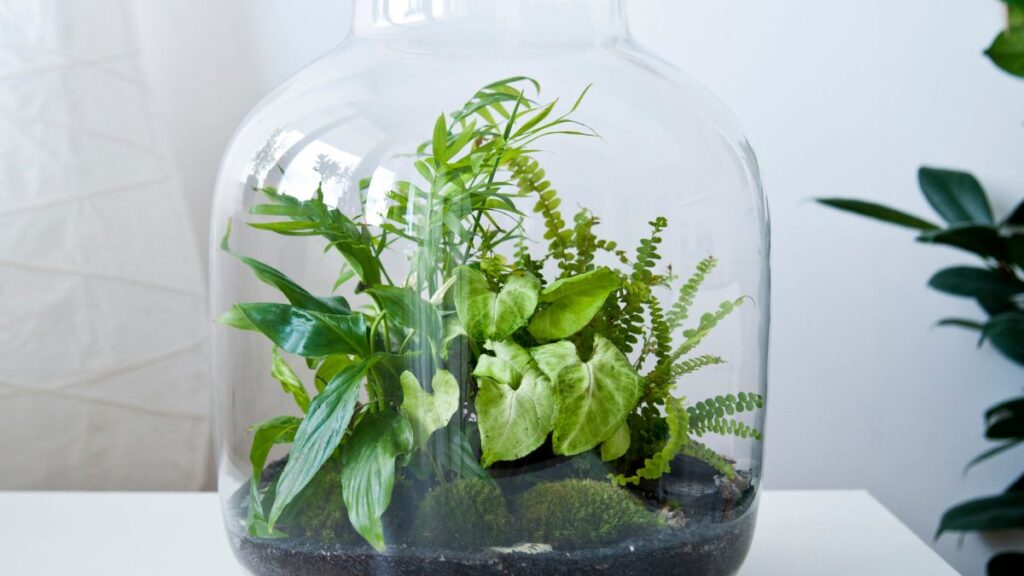
Few sights captivate like a glass jar flourishing with lush green, dripping with fresh life. Alongside a sunny kitchen ledge, a miniature rainforest terrarium thrives, adding movement and balance to indoor spaces.
People embrace tiny terrariums for their living beauty, air-purifying qualities, and the way they offer a microcosm of greater ecosystems. The process blends nature and creativity, bringing nature’s calm right onto your desk or shelf.
This guide delivers a clear route to building your own miniature rainforest terrarium. Discover actionable steps, materials, visual aid, and expert tips for ongoing care. Each section advances your skills and confidence.
Gathering the Right Materials Ensures Lasting Success
Selecting optimal components for your miniature rainforest terrarium creates the foundation for plant health and visual appeal. Choosing each piece carefully avoids early mistakes and ensures lasting vibrancy.
A micro terrarium ecosystem includes layers performing distinct roles. Just as a chef preps ingredients for a recipe, assembling all layers up front means your jar comes together smoothly and cleanly.
Choosing Your Glass Jar
Clear visibility transforms a regular container into a living display. Wide-mouthed glass jars welcome easier planting, airflow, and moisture management—attributes your miniature rainforest terrarium depends on to thrive.
Look for straight sides if you want easy access and less crowding as plants mature. Avoid tinted or colored glass, which limits sunlight and distorts the lush greens inside your rainforest mini-landscape.
Repurposed jars add charm and personality to any project. Think of jars from sauces, candles, or mason types—anything clean and transparent invites creative approaches for your unique terrarium ecosystem.
Selecting Suitable Plants
Narrowing down low-light, humidity-loving plants streamlines problem-free growth. Choose small ferns, miniature orchids, mosses, and fittonia—all natural fits for a micro rainforest environment with steady moisture and diffused light.
Plants should fit your container without crowding or pressing against glass. If you hear leaves scraping or see roots twisting back, opt for smaller cuttings or slower growers for a healthy, thriving appearance.
Mix heights and textures to mimic a rainforest’s layered look. Combine moss as groundcover, tiny ferns for mid-level interest, and something a bit taller for a sense of vibrant canopy within your jar.
| Component | Why It Matters | Best Options | Next Step |
|---|---|---|---|
| Glass Jar | Ensures visibility and humidity | Wide-mouthed, transparent, clean | Wash and dry thoroughly before use |
| Substrate Layer | Supports roots and drainage | Activated charcoal, pebbles, soil mix | Arrange bottom to top by layer order |
| Plant Selection | Directly impacts survival | Moss, small ferns, fittonia | Trim as needed to fit jar shape |
| Decorations | Adds visual texture, context | Mini stones, figures, driftwood | Position after main planting is done |
| Misting Bottle | Maintains humidity for mini ecosystem | Fine spray nozzle | Use gently after assembly |
Structuring Terrarium Layers Sets Up a Miniature Rainforest Ecosystem
Organizing the substrate layers in the glass jar mimics rainforest soil structure, promoting proper drainage, root stability, and steady humidity for your ecosystem.
Following a step-by-step system for layering protects plant roots and sustains the miniature rainforest terrarium’s enclosed microclimate for weeks on end with minimal intervention.
Gravel and Charcoal Base Explained
Create a first layer using clean gravel or small pebbles. This acts as a vital drainage sheath, directing excess water away from roots so moisture never drowns your delicate rainforest plants.
Add activated charcoal right above the gravel. This controls odors, absorbs excess moisture, and helps prevent mold. Using a thin layer—about half an inch—keeps the ecosystem balanced and fresh-smelling.
Avoid skipping this charcoal step, even if the layer seems minor. Its function resembles an air filter: invisible but essential for clear, consistent results, especially in a closed terrarium ecosystem.
- Layer gravel as first step: Ensures water drainage and mimics the natural stratification in rainforests, keeping plant roots healthy.
- Add activated charcoal: Reduces odors and fungal growth by trapping impurities and limiting mold spread within humid, enclosed jars.
- Utilize rich potting soil: Provides nutrients and supports tiny roots for lush growth in your miniature rainforest terrarium micro-ecosystem.
- Smooth each layer gently: Prevents soil mixing by keeping material levels distinct and prevents uneven plant support in the jar.
- Test misting depth: After assembly, gently spray to watch how moisture moves through layers to ensure even hydration.
Each step above matters for both plant survival and ongoing terrarium maintenance. Don’t rush the layering sequence, as soil separation directly supports clear viewing and ecosystem health.
Diverse Plant Placement Creates Visual Depth
Arrange taller plants toward the back and short mosses at the front. This staging delivers a sense of forested perspective and makes each layer of greenery visible from all sides.
- Angle taller plants slightly: Highlights main stems and creates depth, reflecting real rainforest structure and bringing a scenic, wild appearance to small jars.
- Place feature moss near glass: Frames the view and helps retain moisture where humidity matters most for the miniature rainforest terrarium ecosystem.
- Use natural objects as anchors: Driftwood or stones offer mini focal points and let roots climb or hide just as they do in dense forest floors.
- Rotate jar during setup: Guarantees that every perspective has a focal feature, meaning the terrarium looks lively no matter where you display it.
- Step back and edit: Adjust crowded leaves or overlapping roots for a final arrangement that keeps each species thriving and visible.
These positioning habits lay the groundwork for uniform sunlight and steady humidity, creating a micro-jungle you’ll revisit daily.
Arranging Decorative Features Brings Life and Personality
Strategically placed decorations in your miniature rainforest terrarium tell a story and personalize any jar. Add objects with intent, considering both habitat realism and visual harmony.
Choose keepsakes or natural finds—pebbles, shells, small sculpture figures—that both catch the eye and blend with foliage, always leaving growing room.
Stones and Driftwood Anchors
Arranging a stone beside your tallest fern mirrors how rocky rises break up real rainforest floors, providing stable root anchors and boosting visual interest inside the tiny glass world.
Fit driftwood so it leans gently, becoming a bridge or tunnel for moss. This builds micro-habitats and supports healthy airflow by separating leaves and glass surfaces in the terrarium.
Choose materials with worn, rounded edges—never sharp or brittle—avoiding accidental jar cracks or unexpected root injuries during plant shifts and routine misting.
Miniature Figures for Storytelling
Add a well-placed animal or fantasy figure to evoke a hidden world. A tiny turtle, gnome, or rainforest creature strengthens the illusion of scale and invites closer inspection every time you pass by.
Keep figures toward visible but shaded spots so they don’t block plant light. A soft mushroom tucked behind fittonia hints at fairy tales, blending whimsy with biological authenticity in your micro terrarium ecosystem.
Rotate the jar after each addition, confirming harmony from every angle. Remove or move figures that look crowded, lost, or unbalanced within the lush, living setting.
| Decoration Type | Purpose | Tips for Placement | Watch For |
|---|---|---|---|
| Natural Stones | Root support & contrast | Use beside main plant clusters | Avoid blocking new growth |
| Driftwood | Creates vertical interest | Lean at angle for air flow | Don’t press on delicate stems |
| Mini Figures | Personalizes the terrarium | Place subtly in low-light zones | Too many figures cause clutter |
| Shells or Pebbles | Adds color contrast | Scatter near moss patches | Check for mold after watering |
| Mini Signs | Labels plants or habitats | Use write-safe materials | Limit to avoid distraction |
Managing Light and Moisture Promotes Healthy Growth
Lighting choices and humidity habits directly shape the health of your miniature rainforest terrarium. Adjust for maintained lushness and to avoid plant stress.
Position jars near indirect sunlight but away from drafts or direct, intense rays. Overly bright window sills can cause overheating and rapid dehydration, undermining your delicate ecosystem.
Monitoring Humidity Strategies
Watch for condensation inside glass; a light fog each morning is ideal, warning of steady moisture. Too much leads to dripping and mold, while no fog signals extra misting is needed.
If moss or fittonia leaves curl, your micro rainforest terrarium needs extra humidity. Increase misting and check daily to maintain the subtle ecosystem balance required in small enclosed jars.
Using a fine-mist spray bottle, gently water early in the day so leaves dry out by dusk, lowering risk of fungus and preserving the clear views you admire in the jar.
Ongoing Upkeep Keeps the Terrarium Thriving
Regular attention prevents common problems in a miniature rainforest terrarium and builds an inviting, living focal point. Careful weekly observations encourage early fixes versus waiting for troubles to appear.
As with home aquariums, micro terrariums benefit from consistency—steady light, measured water, tidy surfaces—keeping this small rainforest world lively and resilient.
Routine Maintenance Steps
Lightly prune wilting or yellowing leaves, using sanitized scissors. Remove fallen debris, which decays quickly in humid conditions, risking odor and unsightly mold in your glass container.
Turn the jar weekly to balance sunlight and keep plants reaching upward, not just sideways. This prevents lopsided growth and ensures every foliage patch gets regular energy to photosynthesize effective.
Wipe glass with a soft, dry cloth if mist marks build up. Avoid harsh cleaners, which harm micro-ecosystem life or interfere with healthy condensation cycles within the terrarium.
Pest Management and Early Intervention
Spot-check for tiny bugs: fungus gnats, mites, or aphids. If you find any, lightly remove with a cotton swab dipped in water or gentle neem oil solution, always taking care not to disturb roots.
Catch plant distress early by observing quick shifts in color or leaf texture. Remove and replace sickly plants before rot spreads, keeping your miniature rainforest terrarium’s balance intact for other flora.
Document any patterns: leaf drop, unusual growth, or repeated humidity spikes. This record-keeping helps identify and change care techniques to improve overall ecosystem health for the long-term.
Sharing and Displaying Magnifies Enjoyment and Engagement
Presenting your finished miniature rainforest terrarium invites conversations and offers calming visual focus. Settings like desktops, kitchen counters, or entryway shelves amplify nature’s presence indoors.
Document progress with photos—before and after shots foster pride and give reference points if you later tweak the ecosystem or create more jars for gifts or display.
Social Sharing Etiquette Tips
When posting photos online, tag plant species for community learning. Show both successful results and ‘real’ process shots—roots, layering, troubleshooting—so others see how micro terrarium ecosystems evolve over time.
Always acknowledge design inspiration if you copied a scene. A short description, like “patterned after a Costa Rican rainforest basin,” connects your creative journey with a wider world of enthusiasts and learners.
Respond thoughtfully to questions about care and troubleshooting in shared forum posts. Practical responses based on your personal results—“I found misting every Monday kept condensation ideal”—support constructive dialogue and build rapport among terrarium fans.
Creative Display Options
Cluster several different-sized jars together as a ‘living shelf’ for strong, interactive contrast. Mixing tall and short jars captures the layered feeling of rainforests while drawing the eye across a room.
Elevate one striking jar on a wood coaster or cake stand to showcase especially lush setups. Rotating display pieces seasonally keeps interest high and encourages active observation and care.
Enhance nighttime effect with a subtle LED strip along shelf edges—just avoid lights beaming directly into jars, since overheating disrupts microclimates within your miniature rainforest terrarium ecosystem.
Your Mini Rainforest Legacy Is a Living Work of Art
Building a miniature rainforest terrarium fuses nature with creativity in a rewarding process that yields daily beauty and mindfulness. Subtle changes continually reveal your ecosystem’s personality and growth.
Every choice, from hand-layered substrate to whimsical figures, tells part of an unfolding story. These living landscapes keep your connection to natural rhythms strong, whether beside your workspace or at home’s heart.
Let your jar inspire curiosity and a habit of attentive care. Your miniature rainforest terrarium becomes a living model for patience, easy stewardship, and celebrating hidden wonders in small, everyday spaces.
Frequently Asked Questions
What’s the easiest plant to start with in a miniature rainforest terrarium?
Try using cushion moss or small ferns, as these thrive in humid, low-light jars and need infrequent pruning. Both are forgiving for beginners aiming to build a self-sustaining mini-ecosystem.
How frequently should I water my rainforest micro terrarium?
Lightly mist the plants every 4 to 7 days, but always check the substrate’s dampness through the glass. Moderate, consistent humidity promotes health far more than periodic heavy watering.
Can I keep insects or tiny frogs inside the terrarium?
For most home micro terrarium ecosystems, avoid adding live animals. Even the smallest frog needs airflow, more space, and sanitation regimes a closed jar cannot provide safely.
What if mold develops inside the terrarium?
Increase ventilation by leaving the jar open an hour daily, reduce watering frequency, and remove visible mold promptly. Clean any affected decorations and check plant health; persistent mold signals an ecosystem rebalance is needed.
How long will a miniature rainforest terrarium last?
With attentive care and timely pruning, many miniature rainforest terrariums flourish for years. Occasional plant replacement or soil refreshing helps preserve the self-sustaining ecosystem inside your unique glass landscape.