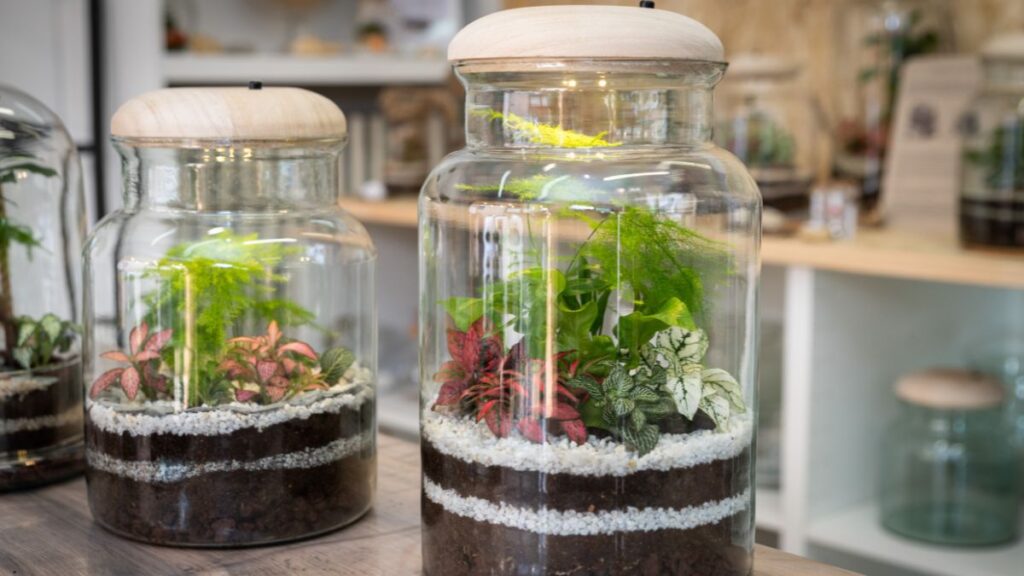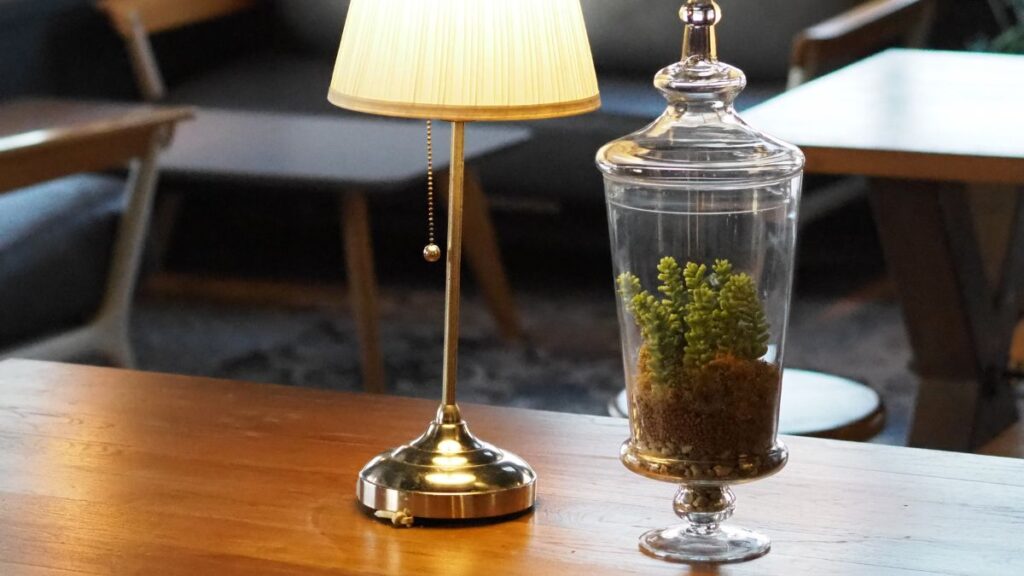
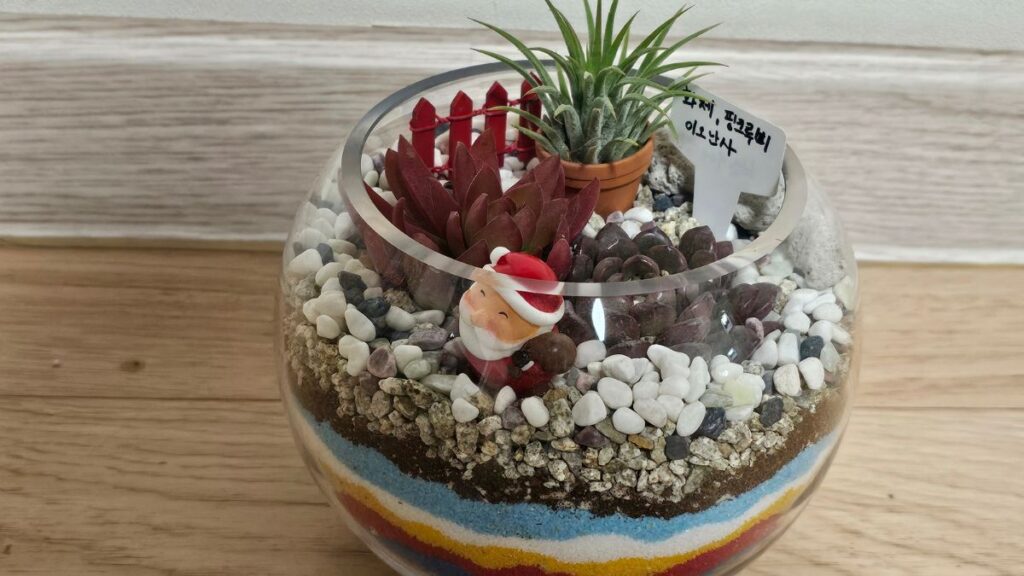
A micro terrarium ecosystem brings a sense of discovery to any room, capturing a living world within glass. While arranging moss and stones is satisfying, adding colored sand terrariums elevates the display by infusing vibrant visual layers. This technique offers endless opportunities to personalize your miniature landscapes and add depth.
Micro terrariums thrive on careful balance—plants, soil, decorative accents—combined into one small ecosystem. Colored sand terrariums don’t just stand out; they let you act as both gardener and artist, shaping patterns, themes, and moods. Whether you love subtle earth tones or bright statement hues, colored sands expand creative possibilities.
This guide explores every step, from picking sand types and colors to layering rules, plus tips for maintenance and design. You’ll finish with tools to confidently design your own unique colored sand terrariums, so let’s get started and unlock the next level for your living decor.
Choosing Sand Colors with Purposeful Impact
Start with color choices, since picking the right hues brings order or drama to your micro terrarium ecosystem. Someone might say, “I want my sand layers to echo the leaf colors above”—that’s perfect synergy.
Blues cool the scene and set off green moss, while yellows or reds mimic desert terrains or tropical warmth. Setting sand colors to contrast or blend with plant life guides the overall effect. Try subtle earth tones for calm, or bold colors for playful scenes.
Matching Sand with Plants
Pairing colors directly with plant foliage is a simple rule. Pick vibrant greens for fittonia, soft browns for ferns, or orange under succulents. Test small amounts before committing.
Lay the sand next to plant leaves in the jar and study how the shades interact. Repeat this experiment with several options, checking under natural and artificial light.
For example, a friend once layered blue sand beneath spikemoss, then realized softer tans looked more cohesive. Adjust on the fly, matching to living elements.
Contrasting or Blending Layers
Alternating color layers brings eye-catching pattern. Create bold stripes if your plants are one solid color, or blend neighboring hues for gentle gradients. Say, “Let’s build a sunrise effect—yellow blending to pink at the rim.”
Test by layering dry sand in a saucer outside the terrarium, previewing contrast and blend. Non-blending sands highlight lines, while gentle ombre transitions add visual flow.
For each layer, use a ruler or spoon as a guide for crisp separation, or tilt the vessel to sweep shades diagonally. Control the aesthetic by shifting angles and depths.
| Sand Color | Vibe Created | Works Best With | Takeaway/Next Step |
|---|---|---|---|
| Bright blue | Cool, aquatic, playful | Moss, boulder rocks, water figurines | Try as base layer behind river pebbles |
| Warm yellow | Sunny, energetic, inviting | Succulents, tiny desert cacti | Layer near top for desert effect |
| Muted brown | Natural, understated, grounding | Ferns, woodland miniatures | Use as the main soil mimic |
| Pale pink | Soft, romantic, gentle | Tropical bromeliads, pink fittonia | Accent between rocks for surprise contrast |
| Bright white | Clean, crisp, light-enhancing | Air plants, shells, driftwood | Highlight around a central plant for focus |
Layering Methods That Amplify Depth
Combining colored sand terrariums with intentional layering builds striking visual effects and functional rooting spaces. Each layer should serve a design or growth purpose, so plan your sequence before you start filling the vessel.
Create visual depth by alternating color, material, and thickness. Consider replicating a canyon wall, a mountain valley, or an abstract pattern. The process is hands-on, allowing for both structure and improvisation.
Prepping Materials and Workspace
Gather clean sand, funnel, chopsticks, and your favorite glass jar. Lay newspaper for easy cleanup. Set colored sands in small bowls for easy access, and test pouring speed before starting your design within the vessel.
- Start with pebbles to aid drainage, keeping plant roots healthy by letting water escape below soil level for micro terrarium longevity.
- Layer charcoal as a filter to reduce odors and impurities—essential for closed environments that mimic whole miniature ecosystems.
- Add substrate next, followed by colored sand for decorative flourishes, layering depending on which plants you choose.
- Use a funnel and spoon for precision when pouring sand layers, gaining control over height and pattern within the small space.
- Insert plants last, arranging leaves above colored sand terrariums, gently tucking roots into the growing medium with chopsticks or tweezers.
Rehearse the pattern by layering outside the glass first. Visualizing helps prevent less desirable color pairings inside your vessel.
Building Consistent Patterns
Straight-edge patterns work best if you pour sand slowly through a funnel against one edge, then rotate the jar for each color. Gentle shakes settle adjacent layers naturally.
- Alternate sand colors with small, decorative pebbles to break up long stripes and highlight separation between tones.
- Use tools—thin sticks or straws—to shift sand layers diagonally or build gentle slopes, mimicking landscapes in miniature.
- Try layering from the bottom up, adding curves or waves as you move upward, making the vessel look professionally styled.
- Keep sand lines thin for subtlety, or thick for bold contrast, adjusting based on vessel size and plant shape for dynamic harmony.
- Test combinations by pouring out and redoing layers in a spare vessel until you’re satisfied, ensuring final balance before planting.
Consistency results from patience—work gradually and keep a soft-bristle brush handy for tidying lines and stray grains.
Preventing Mixing and Preserving Layer Integrity
Protect colored layers from blending by establishing clear workspace habits and layer-thickness guidelines. The stability of sand art inside micro terrarium ecosystems depends largely on minimizing movement during planting and after.
Stacking combustible fine layers on one another leads to blurred color lines. Instead, combine fine and coarse sands or insert divider materials where you want sharper contrast.
Using Physical Barriers
Thin plastic or cardboard strips work as temporary dividers while building complex sand patterns. Once sand layers are set, gently remove the dividers using tweezers, then compact edges to hold the design in place.
Try creating curved lines with a flexible ruler or use the side of a plastic knife to define separation between two dramatically different colors, such as black and yellow.
Insert tiny decorative rocks or bark between layers to anchor and reduce color blending as you fill the jar or add water, enhancing depth and stability.
Controlling Watering and Movement
Water terrariums by slowly drizzling at the plant base, avoiding direct contact with sand layers. This prevents erosion, color mixing, or uneven stripes from forming over time.
Present the watering rule to friends: “Focus only on the roots, never on exposed sand.” This approach keeps your colored sand terrariums looking sharp and organized, even after routine care sessions.
If a layer does shift, use a spoon or small scoop to realign sand, reestablishing lines before any further disturbance.
Designing With Themes and Miniature Scenes
Turning colored sand terrariums into micro landscapes means anchoring each layer to a central scene. Select a unifying inspiration—a coastline, forest floor, or desert—then let your sand colors and arrangement mirror natural patterns.
Tell a visual story by setting up zones: vibrant blue for water, ochre or white for sandbars, and green moss islands as forests. Imagining what a visitor might admire gives your terrarium a sense of purpose and wonder.
Integrating Micro Décor Pieces
Beyond colored sand, drop in mini figurines, resin animals, or handmade driftwood pathways. These elements animate the landscape, guiding imagination across the micro ecosystem while not competing with colored sand terrariums themselves.
Pair sand layers with stepping stones in neutral tones or position a bridge between two sand banks, urging viewers to explore every inch of your design up close.
Maintain balance: avoid overcrowding, leaving enough negative space for both plants and sand to shine. Experiment by arranging décor before final placement, snapping photos from several angles as you go.
Scripted Display Themes
Build a beach scene by layering pale yellow sand near the vessel’s edge, add blue for water, and plant a succulent ‘palm tree’ at the shore. Tell guests, “Picture a morning walk along the bay.”
For a woodland path, mix tan and brown layers at the base, with a mossy trail wandering through. Anchor the scene with miniature log rounds and a tiny painted door.
Create dramatic contrast by elevating one side with mountain-red sand, trailing toward white at the base. Set boulders and spiky plants to simulate a cliff’s edge, giving your viewer a sense of scale and topography.
Maintaining Color Clarity Over Time
Colored sand terrariums stay beautiful with simple, regular upkeep. Because micro terrarium ecosystems are relatively low-maintenance, extra care ensures sand layers remain sharp and colors don’t fade or blend excessively as months pass.
Direct sunlight can bleach or shift certain colors, so place terrariums in bright but indirect light. Dust will also build up—clean it away gently using a soft, dry paintbrush or compressed air designed for hobbies.
Routine Care Checklist
Every month, dust sand and glass gently. Look for any signs of layer mixing or water pooling at the base. Promptly repair shifted sand lines to maintain crispness. Less movement means lasting color separation.
- Inspect colored sand terrariums regularly for insects, as organic materials attract tiny pests. Remove any debris or damaged plant matter as soon as it appears.
- Use a spoon or pipette for watering, limiting disturbance to the decorative sand.
- Rearrange mini decor if needed to avoid shadows or mold, keeping the micro ecosystem healthy and light-filled.
- Refresh faded sand by siphoning out a top layer and adding new color, working in small sections to avoid disturbing adjacent lines.
- Document changes with photos and notes, refining your maintenance routine for the next project or seasonal refresh.
Invest time in small fixes and upkeep—the reward is a sharply defined, ever-vivid colored sand terrarium that draws attention for all the right reasons.
Inspiring Real-World Colored Sand Terrarium Scenarios
Designers, teachers, and nature lovers have all found colored sand terrariums a powerful tool for creativity and environmental learning. Each new creation builds on individual style and practicality for dynamic, living displays.
One teacher might introduce colored sand terrariums to illustrate soil horizons for students, using labeled color bands to explain each ecosystem layer. A tiny flag marks each, and students compare their creations afterward—ideal as a group project takeaway.
Creative Home Decor
Interior designers might arrange colored sand terrariums across coffee tables or shelves, varying theme and mood by room. A guest enters saying, “That ocean scene really brightens the foyer.” Choose palettes to reinforce space identities, from tranquil blues to energetic golds.
For smaller spaces, cluster several matching vessels with complementary sand colors, unifying the room’s style and making a cohesive focal point without clutter.
Refresh designs seasonally, swapping out colored sand or accents for autumn or spring. This flexibility matches the evolving needs and tastes that make a house feel truly lived-in.
Classroom & Workshop Applications
Educators use colored sand terrariums to make lessons tactile and visual. A class forms lines to pour layers; each explains why they chose their color sequence. Color-coded sand teaches everything from filtration to creative design.
Clubs and workshops run contests: who builds the most realistic mountain range or Zen garden using three sand colors? Prizes encourage engagement, and everyone shares their method, learning fine-motor skills and creative planning side by side.
Share your results with the community, displaying jars in school or community centers, sparking fresh ideas and camaraderie among green thumbs and artists alike.
Take Your Micro Terrarium to the Next Level with Color
Combining colored sand terrariums with thoughtful design transforms humble glass jars into captivating, micro-sized worlds. Each careful detail—from layer thickness to the palette you choose—elevates your ecosystem beyond ordinary decor.
Attention to layering methods, theme integration, and regular care ensures your terrarium isn’t just healthy, but an eye-catching piece of living art. The micro scale encourages creativity without demanding endless effort or space.
Let your next project be your most creative yet. Experiment frequently, adjust boldly, and always anchor the colored sand terrarium’s story to a mood or scene that feels personal to you.
Frequently Asked Questions
What type of sand is best for micro terrarium ecosystems?
Use natural, non-toxic colored sand designed for plants or crafts. Avoid sharp, dusty play sand or dyed sand with chemical additives. Buy from specialty garden or aquarium stores that guarantee safe, colorfast material for living micro environments.
How can I fix sand layers that accidentally mix during planting?
If colored sand layers blend, use a thin spoon or small spatula to reestablish the original lines gently. Add a thin overlay of fresh sand in the intended color to boost clarity, working slowly to avoid further shifting. Always water carefully to prevent future mixing.
Are colored sand terrariums safe for all terrarium plants?
Most plants tolerate colored sand if you use it as a decorative top layer, not as the main growing substrate. Succulents, moss, and slow-growing ferns adapt well. Keep roots anchored in soil and avoid coating leaves or stems directly with sand.
What’s the best method to water terrariums with sand layers?
Always water gently at the plant base, using a pipette or syringe to control flow. Avoid pouring directly onto colored sand. Moisture should reach roots without disturbing decorative layers. Less is more; overwatering can ruin your design and harm plant health.
Do colored sand terrariums need any special lighting or placement?
Bright, indirect sunlight is ideal for both plant health and color preservation. Strong direct sun can fade sand colors. Rotate jars weekly for even growth and display. If humidity rises or glass fogs up, air out the container occasionally to prevent mold or algae growth.