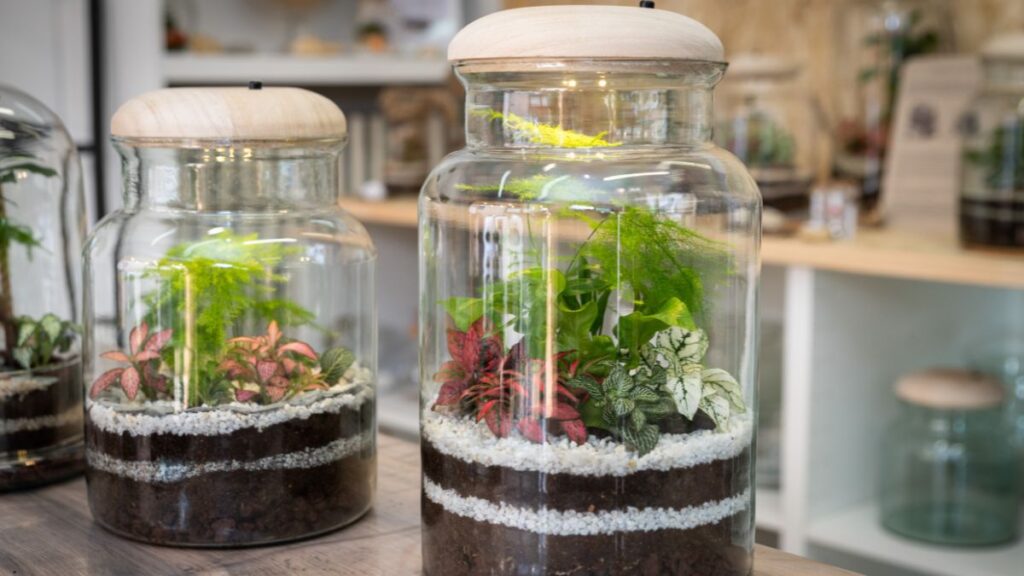
There’s an instant thrill in spotting a miniature waterfall flowing through a tiny landscape. When terrarium resin features become part of your micro terrarium ecosystem, you bring that magic indoors. The illusion of water tumbling over rocks, especially in small glass vessels, pulls the eye and sparks the imagination.
Integrating a waterfall illusion into a micro-ecosystem does more than beautify; it creates a sense of movement and life. This is why resin features are so beloved among terrarium enthusiasts. When paired with greenery and hardscape, these crafted waterfalls serve both as focal points and conversation starters.
Ready to add visual depth and a touch of wonder to your micro terrarium? Explore this practical guide for clear methods, tips, and examples you can use today to craft vivid resin waterfall illusions in your own small-scale world.
Planning Your Resin Waterfall: Laying the Groundwork for Success
Begin confidently by knowing that each successful terrarium resin feature starts with a plan. Mapping out your mini waterfall before reaching for materials eliminates guesswork and waste.
Assess your glass vessel’s shape and size. For example, rectangular containers can support elongated falls, while round vessels fit cascading pools. A rough sketch with measurements helps ensure your resin stream and waterfall will scale realistically to plantings and hardscape.
Visualizing the Layout: Initial Steps for Clarity
Stand over your empty glass terrarium. Visualize where water would naturally course among your rocks and moss, then mark the key points. Use a wax pencil or erasable marker on the outside of the vessel.
Break your design into segments: upper source, main drop, and splash pool. This clarity makes each micro-operation—for example, resin pouring or layer building—much less uncertain.
Sketch a quick diagram on paper. Notate where plants, rocks, and terrarium resin features will land, allowing for precise placement when you assemble the hardscape inside your vessel.
Aligning Hardscape and Resin Features for Realism
Position rocks and driftwood so they mimic natural ledges and channels. Dry-fit every stone before glue or resin enters the scene. This hands-on preview surfaces problems early—for example, if a rock’s tilt disrupts your planned resin flow.
Imagine the ‘story’ your micro waterfall tells. Is it a gentle brook, or a sudden mountain cascade? Adjust the slope and layering of the substrate to evoke that emotion and movement.
Once your dry run feels harmonious, photograph the staged setup. This photo acts as a reference when you move into adhesive and resin work, fixing your layout in memory.
| Planning Step | Concrete Example | What to Watch For | Takeaway Action |
|---|---|---|---|
| Vessel Selection | Choosing a round bowl for a single waterfall | Look out for distorted reflections | Test angles before permanent assembly |
| Feature Sketching | Drawing waterfall location relative to plants | Check that features don’t crowd glass edges | Resize sketch if plantings seem tight |
| Hardscape Dry-fit | Placing large stone at waterfall apex | Ensure stone is stable flat | Use sticky tack for temporary holds |
| Height Measurement | Ruler for resin ‘fall’ drop | Short falls look more credible at micro scale | Adjust substrate until height feels right |
| Photographic Reference | Smartphone snapshot before glue sets | Poor lighting may obscure details | Use flash sparingly, avoid glare |
Gathering Supplies and Materials for Precision Crafting
Collect all essentials for crafting terrarium resin features ahead of time to keep your workflow smooth. Each material serves a specific purpose in shaping, securing, or coloring your artificial water elements.
Source clear, two-part epoxy resin for the water itself. Supplement this with silicone molds, modeling clay, toothpicks, disposable cups, and graduated droppers. Always check your chosen resin for non-toxicity when working in enclosed glass vessels.
Checklist for a Simple Waterfall Resin Feature
Start with this quick-prep list, then refine for your specific design:
- Choose clear, UV-stable epoxy resin for lasting clarity. This ensures the illusion of fresh, moving water in a micro terrarium ecosystem.
- Stock up on tiny pipettes for resin application. They let you control the flow for seamless, drip-free lines, critical for terrarium resin features.
- Add white and blue pigment powders to your kit. A speck of pigment generates visual depth, highlighting ‘ripples’ and ‘shallow’ areas for realism.
- Use disposable gloves and a silicone mat to keep your workspace and hands clean. This helps prevent fingerprints or dust from dulling the resin surface.
- Include quick-cure super glue for locking stones and wood in place. Stability here prevents movement when pouring the liquid resin layers.
Hunt down even small missing items before you begin, so you never have to step away mid-project and risk dust settling in wet resin.
Gather Micro-details for Ultimate Realism
Collect bits like dried moss, fine gravel, and micro-root threads to embed at the resin’s edge. They anchor the illusion of water interacting with land. Grab a syringe for drawing precise water lines along miniature riverbeds.
- Trim moss with manicure scissors to realistically frame the resin ‘pool’. This creates a natural shoreline, softening the border between water and substrate elements.
- Add miniature leaves, small twigs, or tiny shells where your waterfall meets the pool. This suggests debris carried by water, a cue to your viewer’s eye.
- Experiment with iridescent mica powder swirled lightly on setting resin. The subtle shimmer catches light and mimics sunlight on real streams.
- Lay transparent fishing line along your waterfall’s ‘drop’ before adding resin. Once covered, it holds the cascade’s shape and can hint at motion.
- Use a toothpick to swirl simulated ‘foam’ at impact points. This mirrors bubbles created at real waterfall bases and enhances the micro terrarium illusion.
Your workbench will quickly become a creative lab. Treat each new addition as an experimental variable, adjusting until your chosen scene feels alive.
Sequencing Your Resin Pour: Building Realistic Water Movement Layer by Layer
Every compelling terrarium resin feature emerges in stages. Prepare your mindset for patience—rushing or overpouring creates cloudy, unrealistic water patterns.
Apply resin in thin, controlled layers for best transparency. Wait between pours as recommended by product instructions to prevent blending or unwanted color pooling, echoing a real-world waterfall’s stepwise flow.
Segmented Pouring Creates Depth and Flow
First, anchor your hardscape with glue. Once dry, apply one thin resin layer along the intended waterbed, teasing the shape with a toothpick or cotton swab for surface detail.
Let each layer partially cure before adding the next. This breaks up the waterline, introducing subtle ridges that mimic moving water’s uneven depth below the surface.
Mix in occasional flecks of pigment or mica between pours. For example, lightly dust blue into the ‘deepest’ pool, or swirl white at the waterfall’s plunge point for dramatic foam.
Curing and Checking Each Stage
During each curing interval, cover your terrarium with an inverted bowl or box to keep dust at bay. While waiting, observe the clarity of your resin, ensuring the next layer will retain the illusion.
If you spot bubbles surfacing, quickly pop them with a toothpick or pass a lighter flame just above the resin. This maintains the glassy finish needed for convincing micro terrarium ecosystems.
At each pause, revisit your reference photo and adjust rocks, moss, or sand while resin remains slightly tacky. Be ready to correct placement before the next pour solidifies details permanently.
Adding Finishing Details for Realistic Waterfall Effects
Now, you’ll refine the illusion with final touches that define terrarium resin features from a distance. Think of this process as detailing a model car—tiny moves create major visual impacts.
Once the final resin layer has cured completely, pick up a dry brush and dust matte white pigment onto key splash points for a frothy, textured edge at the pool’s base.
Simulating Surface Texture and Motion
Use a very thin coat of clear gloss acrylic sealer over the cured resin, except on foam and splash areas. The sealer amplifies the wet look and adds complexity to the waterfall’s appearance.
Layer tiny moss balls or brittle twigs in the ‘spray zone’ just beyond the waterfall’s reach. Place them asymmetrically to simulate debris gathering—a sign of real water action in any scale ecosystem.
Position a few scattered pebbles at the bottom of the resin pool to lend weight and anchor the feature in its micro landscape. This balance draws the viewer’s attention and grounds the effect.
Caring for Your Terrarium with Resin Water Features
Keep your terrarium resin features looking vibrant with gentle routines that safeguard both plants and crafted water illusions over time. Consistent care preserves clarity and realism without disturbing hardscape or greenery.
Dust with a soft brush instead of spraying, and never use chemical cleaners inside the terrarium. If water spots develop on glass, a microfiber cloth dampened with distilled water suffices.
Long-Term Maintenance in Micro Terrarium Environments
Monitor the resin’s surface monthly for cloudiness or yellowing. Resist temptation to recoat unless absolutely necessary; each additional layer risks trapping dust or air bubbles.
If moss or substrate grows over the resin’s border, gently trim back encroachment with long tweezers for precision. Maintain a clear margin so your artificial stream remains the visual centerpiece.
For closed vessels, check occasionally for mold or condensation. Proper ventilation and moderate light exposure help maintain both plant health and the integrity of your resin features.
Frequently Asked Questions
What type of resin works best for micro terrarium ecosystems?
Choose a clear, low-odor, two-part epoxy resin labeled as non-toxic once cured. It’s easy to handle in small batches and maintains clarity for miniature scenes.
Can I use real water instead of resin?
Using real water leads to mold and leaks in sealed terrariums. Terrarium resin features eliminate evaporation risk and stay permanently clear if poured thinly and with clean materials.
How do I fix bubbles that develop in my resin waterfall?
Pop visible bubbles with a toothpick right after pouring. For smaller or persistent bubbles, gently wave a lighter above the surface before the resin sets to maintain a flawless look.
Is it safe to add fish or animals with resin water features?
Never mix real aquatic life with cured resin. While most quality resins are safe after curing, embedded materials create zero usable habitat for any creature.
Can I paint the resin waterfall for added realism?
After curing, you can accent edges and foam zones with tiny amounts of acrylic paint or pigment powder. Always keep the effect subtle so the resin’s translucence stays visible through the ‘water’.