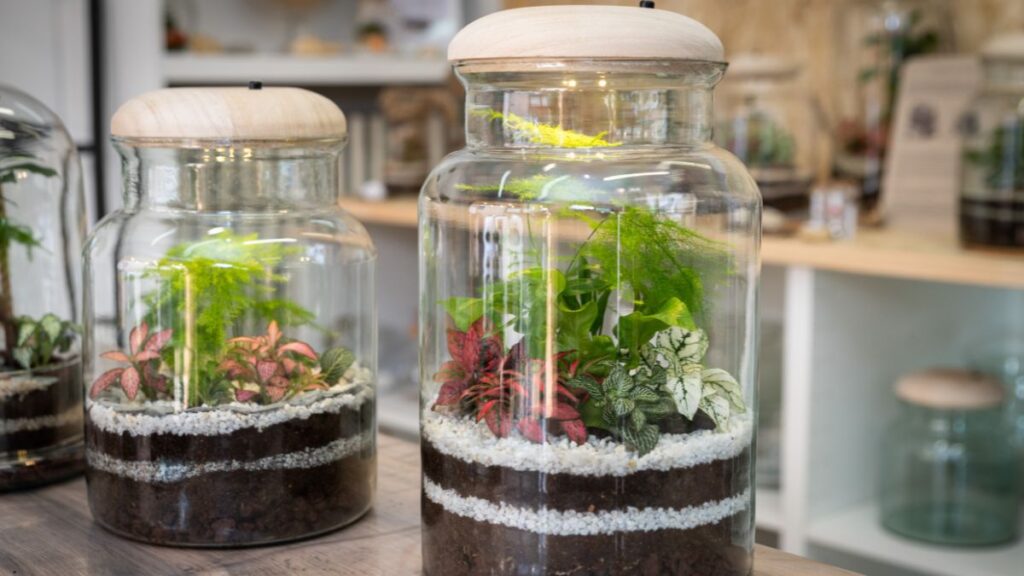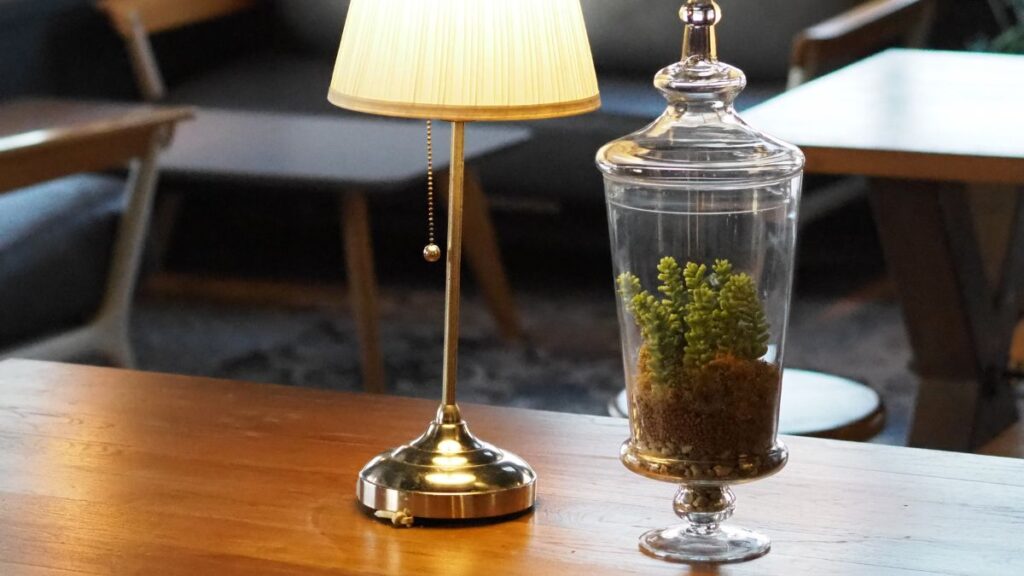
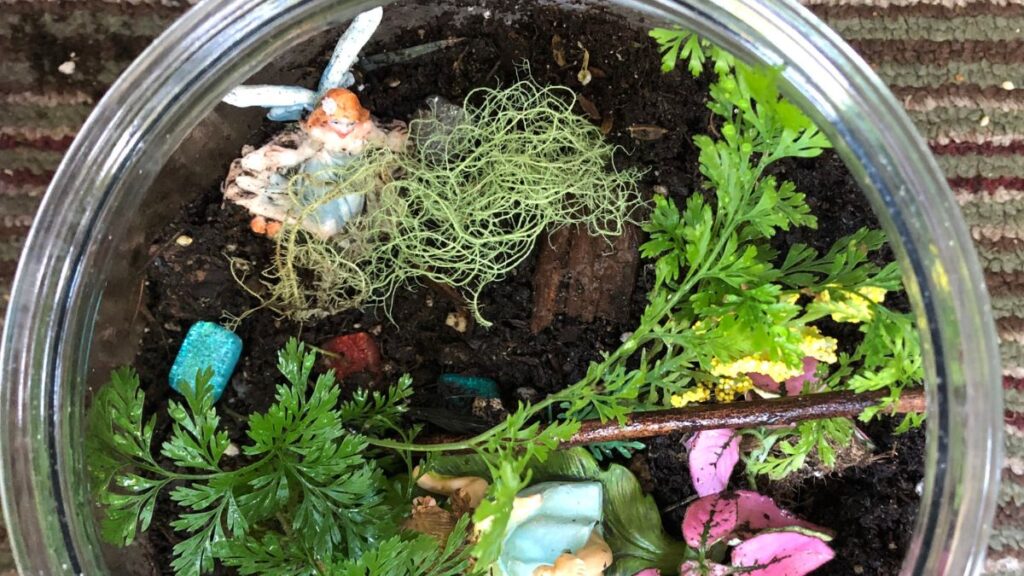
Small details spark big imagination. Mixing carefully chosen miniature statues into storytelling terrariums creates charming mini worlds that invite hands-on creativity and visual delight. These micro terrarium ecosystems transform basic glass vessels into captivating scenes where plant life and tiny figures connect, weaving stories rooted in nature.
Creative terrarium design matters because it turns a simple plant display into an interactive storytelling platform. Using miniature statues encourages viewers to invent narratives—whether playful, fantastical, or realistic—anchored by living greenery that evolves over time.
This article unpacks practical ways to incorporate, arrange, and interpret miniature figures inside micro terrarium ecosystems. Let your imagination stretch: each section delivers strategies and examples you can use to start building dynamic, memorable storytelling terrariums at home.
Planning Your Micro Terrarium for Clear, Compelling Stories
Structure drives results. Begin with a distinct storyline or mood for your storytelling terrariums; this initial vision helps with statue selection and layout. Explicitly name the tale: fairy rescue, jungle expedition, or tranquil forest retreat.
Picturing a setting, such as a mossy woodland or arid cliff, guides your choices. By anchoring the design in narrative thinking, decisions about materials, colors, and placements become purposeful, not random. This makes even simple scenes feel intentional and rich in detail.
Select a Focus Statue That Anchors the Scene
Choose one miniature statue as the centerpiece of your storytelling terrariums. For instance, a meditative Buddha grounds a Zen theme, while a dinosaur instantly sparks prehistoric drama. Picking a strong focal point provides narrative clarity for anyone viewing the ecosystem.
Place the chosen figure where it draws attention first—front center for direct scenes or nestled further back for a sense of discovery. Balance is key: make sure surrounding moss, gravel, or twigs enhance its story rather than distract from it.
Before adding extra elements, spend several minutes imagining the statue’s backstory. Use this narrative as a guiding script when selecting other objects—tiny companions, props, or natural accents—to build context around your main character.
Layer Supporting Figures for Visual Dialogue
Miniature companions—such as animals, tiny houses, or fantasy creatures—enrich your micro terrarium by providing interaction or contrast for the primary statue. Arrange them close enough to suggest connection, but not so crowded that the composition feels busy or confusing.
For each supporting figure, ask: what role does it play? Is it helping, observing, or challenging the main character? These questions refine both placement and the terrarium’s natural storytelling arc, keeping the scene dynamic without relying on clutter.
Vary statue sizes and positions for depth. Taller statues belong farther back; smaller ones engage viewers up front. This echoes techniques used in diorama displays—each layer adds a new chapter, guiding the eye from foreground to background naturally.
| Statue Type | Best Terrarium Theme | Ideal Placement | Takeaway |
|---|---|---|---|
| Gnomes | Whimsical Forest | Near Moss Paths | Add playful elements; cluster in groups for lively stories |
| Dinosaurs | Prehistoric Jungle | Behind Fern Fronds | Create scale and drama; stagger heights for action |
| Fairies | Magical Garden | At Flower Accents | Highlight imagination; pair with sparkly stones |
| Animals | Safari Adventure | On Pebble ‘Trails’ | Suggest movement; lead toward or away from center statue |
| Tiny People | Urban Mini-World | By Mini Benches | Add realism; use expressive poses to hint at action or emotion |
Choosing Statue Materials and Scales for Realistic Impact
Blend choice and function. The right material and scale ensure your storytelling terrariums look both captivating and cohesive—a classic gnome statue will feel off if it’s twice as tall as the “trees” around it.
Statues made from resin, polymer clay, metal, or glass all behave differently in a terrarium’s humid, closed microclimate. Think practically as well as visually: ensure safety for living plants, easy cleaning, and colorfast finishes.
Practical Checklist: Materials, Safety, and Compatibility
Run through this checklist as you compare statue materials for micro terrarium ecosystems: Confirm the figure’s paint won’t leach in moisture. Avoid corroding metals. Test for color-fastness by dampening an unnoticeable area.
- Pick resin or polymer clay statues for mold resistance; check labels for plant-safe finishes to avoid chemical damage in closed glass terrariums
- Choose untreated ceramics or finished mini woods for a natural look; verify there’s no glue residue to leach into soil or water layers
- Avoid unsealed metals, as they rust or react with moisture; stick with non-reactive plastics or coated alloys for longevity and safety
- Use glass or crystal-only for accents—not figures that touch soil—since plant roots and moisture may cause breakage or clouding over time
- Size statues so none loom over the plants; the tallest figure should never be more than 60% of your terrarium’s vertical height to maintain balanced perspective
Prioritize function over style if there’s a risk to plant health or story clarity. Meaningful micro terrarium storytelling depends as much on material harmony as on visual appeal.
Scale Scenarios: Creating Perspective and Depth
Work with at least three size groupings: anchor figures, midsize companions, and “blink-and-miss” details such as mushrooms or pebbles painted as books. This staged sizing mimics movie set design and increases storytelling range.
- Arrange the largest statue at your primary focal depth, then let midsize figures draw the eye outward for breadth, while tiny minis invite close inspection and reward patient viewers with extra story elements
- Keep your smallest statues—like insects or tiny lanterns—at the front corners; this creates a forced perspective, visually pushing the background further away and making your storytelling terrarium feel larger from any angle
- Avoid crowding contrasting scales; statues should ‘fit’ their neighborhood, so delicate fairies don’t get lost beside a chunky bear, or dinosaurs don’t dwarf the micro ferns intended as ancient trees
- Use height differences to direct visual flow; a hiker statue on a gravel hill naturally leads the viewer’s eye up through the terrarium’s landscape, enhancing both story progression and environmental realism
- Try the “camera trick”: snap a smartphone photo of your setup, then squint—misaligned scales will pop out. Rearrange until the scene reads as intentional and immersive
Balancing statue scale is the backbone of satisfying storytelling terrariums. Structure your scenes with micro scenery, so every glance reveals new details.
Arranging Statues to Serve Narratives in Micro Terrarium Ecosystems
Placement turns statuettes into storytellers. Strategic arrangement guides the viewer’s eye, clarifies relationships, and reveals specific events unfolding in your micro terrarium ecosystem.
Plan movement through the scene. A path of footprints, staggered boulders, or twisting roots can lead from the statue at the entry to a secret vignette hidden deeper inside your storytelling terrarium.
Scenario: Creating an ‘Adventure Path’
Set up a tiny explorer statue at the glass edge, heading toward a mossy hill and a mysterious cave. Place pebbles as a winding footpath, and tuck an animal “watcher” halfway down the trail.
This arrangement mimics storyboarding in animation—each step draws the eye and adds suspense. Say to yourself, “If I were this explorer, what’s next?” Then insert one visual obstacle or aid, like a bridge or lantern.
This approach helps every storytelling terrarium feel like a complete tale, not a jumble of random objects. Visual flow holds attention and triggers curiosity.
Scripted Mini-Scenes: Adding Drama and Emotion
Stage mini statues in ways that suggest emotion or action. For example, set a sitting rabbit gazing at a “moonstone,” backed by a rise of grass, for a reflective mood. Or, arrange a pair of toadstools as picnic seats.
Think of body language: bend a figurine’s arm or lower its gaze to express shyness or wonder. Physical cues ground the miniature’s personality—even in simple micro terrarium scenes, people respond instantly to expressive posing.
Jot a micro script in your planning notes, such as: “The rabbit discovers something magical under the moss.” Later, refine your arrangement so this scenario is clear from plant, statue, and prop relationships.
Expanding Storytelling Range with Swappable Statues and Props
Interchangeability means more stories per vessel. Using removable bases like aquarium gravel trays, tiny platforms, or themed inserts, you can swap out mini statues or props to refresh your micro terrarium’s story in minutes.
This technique keeps your plant ecosystem healthy—no root disturbance—while letting you update with seasonal, holiday, or cultural micro-scenes tailored to your mood or guests’ interests.
Maintenance Routine for Clean, Changeable Scenes
Detachable figurines make it easy to dust props and spot-check for mildew. Use toothpicks and tweezers to gently relocate statues without disturbing moss or plantlets. Between swaps, wipe figurines with a damp cloth to control mold.
- Install foam pads under heavier statues to prevent scratching the glass and buffer against moisture build-up over time, preserving both the terrarium and the miniature’s finish
- Keep a labelled box for off-season props; divide tiny objects with tissue paper to avoid paint scuffs or accidental color transfer during long storage periods
- Set a rotating schedule for display: swap woodland themes for beach scenes every month, letting plants rest and recover natural growth patterns between major prop changes
- Practice lifting each figurine with tweezers, not fingers, especially if delicate or detailed; this prevents skin oil buildup that can damage fragile paints in moisture-rich storytelling terrarium environments
- When swapping, briefly check statue bases and terrarium substrate for any plant distress—refresh moss, smooth soil, replace compacted gravel as needed to keep micro ecosystems thriving and ready for new stories
Flexible statue arrangements multiply storytelling options without compromising plant health or visual interest. Treat your terrarium as a stage set for evolving tales.
Incorporating Props, Accessories, and Multisensory Details
Layered props add depth and realism. In storytelling terrariums, use miniature items—benches, lanterns, fences, even tiny books—to set scenes, reinforce themes, and make the micro terrarium environment feel well-lived-in and intentional.
Accessories must serve the narrative: a book on a mossy stump suggests a thoughtful character; a bridge over gravel hints at journeys or division. These cues help viewers instantly read the story and bond with the terrarium’s miniature “inhabitants.”
Mini Checklist for Prop Variety and Placement
Prop scale and distribution are critical. Place just one or two large accessories as focal accents. Scatter smaller props, like pinecones or gems, near the narrative path to reinforce context and enhance the story’s emotional texture.
- Add color with painted miniatures; limit flashiness to one per scene so the viewer’s eye doesn’t get pulled away from the main statue too quickly
- Place small trays or tiles under props likely to get soggy; this preserves accessory paint for long-term use and simplifies cleaning between story swaps in your micro terrarium ecosystem
- Choose props that signal season or culture: pumpkins for fall, pink fans for spring, or lanterns for summer. Rotate them to keep stories timely and surprise regular viewers
- If working in a closed terrarium, only use waterproof or sealed props; anything porous encourages mold or stains, undermining both aesthetics and plant health in your storytelling terrarium
- Introduce hidden details seen only up close: tiny acorn cups, painted stones, or messages on scrolls reward curious onlookers and make the storytelling terrarium interactive
Careful prop integration adds lasting variety to every scene. Keep each accessory meaningful and harmonious with the figures and plants that drive your micro terrarium’s story.
Lighting, Backgrounds, and Visual Framing for Storytelling Impact
Lighting and backdrop choices shape atmosphere. Diffused sunlight, miniature LED spotlights, or colored background paper all change how storytelling terrariums feel—mysterious, cozy, epic, or calm, depending on setup and theme.
Add a colored paper backdrop behind the glass to spotlight statues, or tuck gentle battery lights along the rim to cast dramatic shadows or warm glows over evening scenes. Framing each scene like a theater display boosts immersion for viewers.
Backgrounds as Narrative Tools
Attach watercolor or printed landscape backdrops behind your micro terrarium. Use images that match the era, climate, or fantasy world depicted. Night-sky prints, jungle silhouettes, or fairy-tale forests all extend your terrarium’s story beyond the glass.
Clever backdrops can compensate when plant growth temporarily obscures statues. Swapping papers or backdrops is low-maintenance, allowing for quick mood changes and fresh storytelling angles as plants mature or props rotate seasonally.
Test backdrops by photographing the terrarium at various times of day; note how shifting light and angles change the narrative. Adjust or swap backgrounds based on what enhances clarity and mood.
Lighting Tricks for Mood and Focus
Miniature LED “fairy” lights on timer modes create sunrise, sunset, or twinkling night effects. Use warm lights for cozy tales, or cool blue lights for magical and mysterious scenes inside your storytelling terrariums.
Position soft lights outside the glass rim so heat doesn’t disturb plant humidity. Avoid harsh or multicolor LEDs—these flatten detail and may fade figures or plants inside your micro ecosystem over months.
If working with a single daylight window, use translucent tracing paper as a shade to diffuse light. This softens shadows and creates even illumination for both plants and statues, allowing the whole scene to shine in harmony.
Conclusion: Elevate Everyday Spaces with Micro Terrarium Story Worlds
Bringing together plants, miniature statues, and creative props transforms everyday glass jars into intricate storytelling terrariums. Each ecosystem becomes a living stage, evolving with every new figure or shifting scene, maintaining both plant vibrancy and visual charm.
Modern storytelling terrariums support personal creativity in a unique, interactive format—low-maintenance enough for daily enjoyment, yet endlessly customizable for every season, holiday, or inspiration. These micro worlds connect people of all ages through narrative and nature in accessible, meaningful ways.
Start your next micro terrarium with an anchor figure that speaks to you. Build outward, layering in props, plants, and lighting that advance your own unique story—then share your miniature ecosystem with curious friends, family, or guests. The possibilities are endless and truly your own.
Frequently Asked Questions
What’s the best type of statue for a storytelling terrarium?
Choose statues made of resin or polymer clay. These are moisture-resistant and come in diverse shapes for narratives—fairies, animals, or tiny people—that blend well with micro plants and last in closed or open glass containers.
How do I prevent mold on my micro terrarium statues?
Always use sealed figurines and only place props after plants establish. Wipe figures gently if moisture beads form, and avoid porous or unsealed materials. Good airflow and the right soil moisture greatly reduce mold risk.
Can I change my terrarium’s scene without removing the plants?
Yes. Use removable bases for figures and props, like mini trays or stable gravel patches, so you can swap stories easily. Tweezers let you rearrange without root damage or soil compaction, preserving both the story and plant health.
What’s a smart trick for realistic statue scale?
Photograph your setup and squint to see which figures look mismatched in size compared to plants. Rearrange or replace as needed so no figure towers over others or feels oddly out of place in your micro ecosystem.
What lighting works best for storytelling terrariums?
Diffuse daylight or gentle LED fairy lights placed outside the glass create mood and focus. Use warmer tones for cozy scenes, and cool or blue-white for magical or mysterious stories. Always avoid harsh, direct beams and overheating.