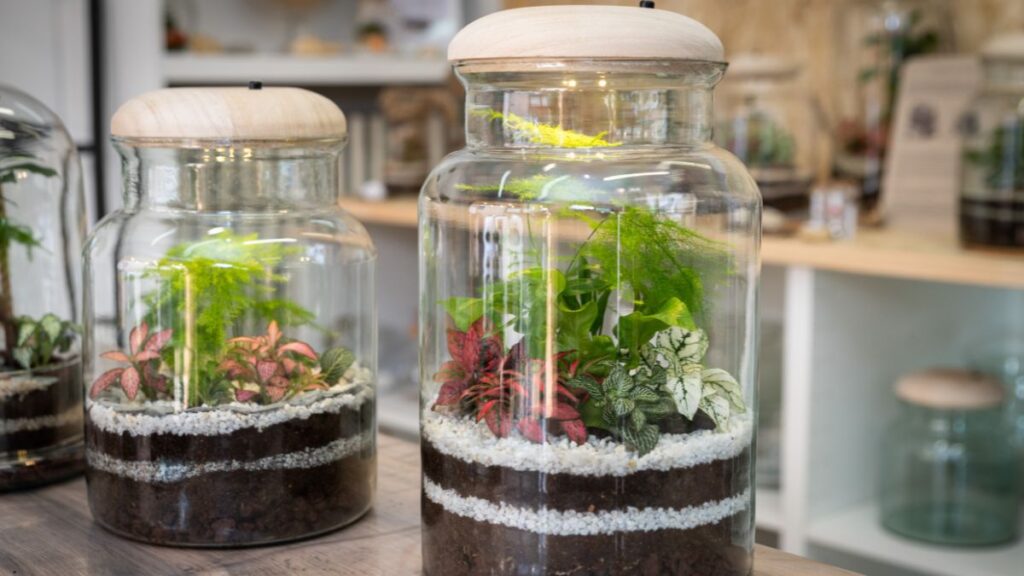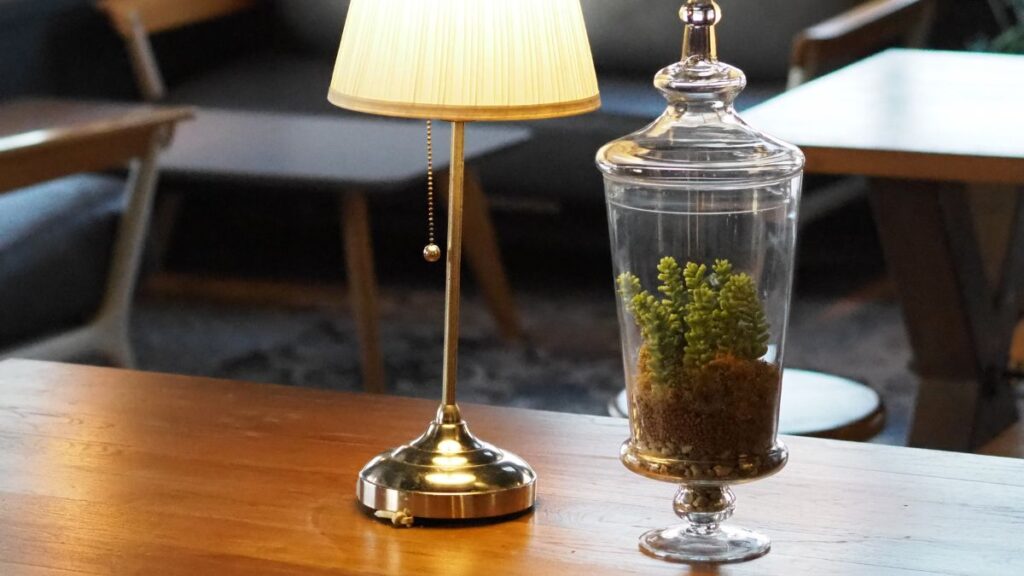
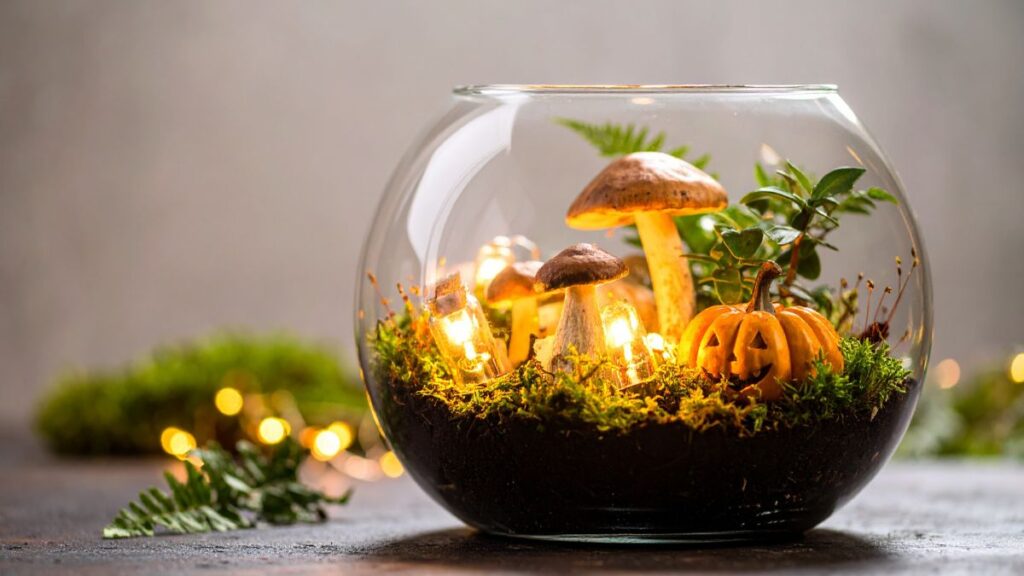
Little micro terrarium ecosystems sit on desks and windowsills, providing a living glimpse into changing seasons. Many fans of houseplants have discovered the fun of using seasonal terrarium themes, shifting the mood with foliage, accents, and arrangements as the months roll by. This imaginative hobby transforms miniature landscapes to echo the evocative beauty of spring, summer, autumn, and winter with surprising detail.
Even a small glass vessel can reflect the larger world outside, building anticipation for approaching holidays or celebrating the colors of a favorite time of year. Tweaking mosses, gravel, and adorable figurines, you can update your piece to suit your mood or home, ensuring constant freshness in your decor. Seasonal terrarium themes reward creativity and encourage close observation.
Let’s explore how to design micro terrarium ecosystems that respond to the year’s cyclical rhythm, combining joyfully curated details and practical care tips. The following guide offers actionable steps, inspiring variants, and troubleshooting for micro worlds that delight all year long.
Changing Visual Seasons in Micro Terrarium Ecosystems: A Creative Playbook
Thinking through the year’s visual changes gives your micro terrarium ecosystem a fresh look every few months. Early planning means you can swap elements seamlessly as new seasons approach, maintaining lush appeal and clear seasonal signals.
Designers draft ahead, creating a checklist for each quarter. Planning ensures that each seasonal terrarium theme delivers surprise and delight, not haphazard faux pas. To begin, identify the starting season, select anchor plants, and arrange supporting accents to support the overall vision.
Spring Miniature Forest: Renewal and Pastels
Use lively green moss, tiny primrose figurines, and speckles of colored quartz to suggest a forest waking from winter. Small twig ‘trees’ echo fruit tree blossoms, while light blue gravel simulates spring rain puddles. Pair woodsy scents for authenticity.
Every detail should signal growth and renewal: choose closed terrarium jars to boost humidity for fresh fern fronds and baby’s tears. Position near filtered light for best results. Keep spray misting gentle, since fresh moss wants moisture but not drenching.
Add pastel butterflies or a moss path. Stand back, and you’ll notice the miniature landscape signals early signs of life—renewal is always front and center in this seasonal terrarium theme.
Winter Wonderland: Sparkle and Texture
Transform your micro ecosystem with white pea gravel mimicking snowbanks. Add blue glass beads for icy pools, and tuck in silvery twigs for frosty branches. Lichen or preserved reindeer moss works as “snow drifts.”
Select cool-hued tillandsias or tiny air plants; these tolerate low winter light. Consider tiny sled or snowflake charms for a playful vibe. Move terrariums away from heating vents, as winter air can dry out the ecosystem fast.
Position LED fairy lights behind the glass for extra sparkle after dark. Your winter-themed micro terrarium creates mood, memory, and conversation—without seasonal monotony. Rotate toward spring details as days lengthen.
| Season | Recommended Plants | Color Palette | Key Decor Features |
|---|---|---|---|
| Spring | Moss, ferns, baby’s tears | Pale green, yellow, pink | Pastel figurines, twig trees |
| Summer | Mini succulents, pilea | Bright green, blue, rose | Seashells, sun charms |
| Autumn | Polka dot plant, tiny ivy | Red, gold, orange | Mini pumpkins, bark chips |
| Winter | Tillandsia, preserved moss | White, blue, silver | Snowflake beads, frosted twigs |
| Year-Round Tip | Resilient moss | Earth tones | Interchangeable accents |
Mixing Nature and Decor: Anchoring Terrarium Themes with Realism
Choosing the right mix of live and decorative items grounds each seasonal terrarium theme in realism. Start each update with a “backbone” — healthy, adaptable plants suitable for your micro ecosystem’s lighting and humidity.
With hardy anchor plants in place, switch out accents and props as the months progress. This method ensures a consistently lush look while giving flexibility to change background scenes quickly.
Anchoring with Hardy Plants: Why It Works
Sticking to core greenery helps your micro ecosystem look alive, not cluttered. For instance, moss and pilea adjust well throughout the year, bouncing back from the occasional overwatering or skipped mist. Anchor plants serve as a green backdrop.
- Add moss for easy moisture management; this enables frequent decoration swaps without plant shock.
- Use pilea for its tolerant nature; it also produces appealing round leaves that look striking during any season.
- Choose fittonia for color; swap in brighter gravel or props to dial in each new theme.
- Opt for small succulents as a summer anchor; they tolerate brief drought and provide a desert vibe for July updates.
- Cycle in varied ground covers, like baby’s tears or creeping fig, to keep the landscape dynamic while main plants hold shape.
After the growing zone foundation is set, accessorizing becomes about style, not plant survival. Each seasonal terrarium theme snaps into place cleanly with this method.
Accent Layering and Creative Details
Accent layering lets you tell a tiny visual story. For a fall scene, lay bark chips, scatter pebbles colored like chestnuts, and plant mini pumpkins for a whimsical, seasonal mood all in under five minutes.
- Scatter tiny seashells in summer; this creates a beach look and works as a conversation starter for guests who visit.
- Use glossy red beads for a faux apple orchard during late August or September.
- Tuck wooden stars or white glass for the wintry effect; combine these with silver lichen for a snowy illusion.
- Swap in felt leaves and a toy rake in October, suggesting autumn cleanup without making a mess.
- For spring, set pastel glass marbles across the moss to mimic dew or raindrops; a small bloom charm signals fresh growth.
With props ready in a labeled drawer, changing your seasonal terrarium themes becomes as simple as updating a shelf or mantel display—no hassle, just joy.
Planning Seasonal Changes: Lining Up Materials for Seamless Swaps
Having a ready-to-go box of miniature props, colored sands, and accent stones speeds up refreshes. Each swap for a new seasonal terrarium theme should feel like a playful creative task, not a stressful chore. Prepping in advance is the secret to sustainable enthusiasm.
List out items like tiny hats for micro snow creatures, shell fragments, or pastel butterflies. Stash these by season so each update takes only a few minutes of fun rather than frantic searching.
Organize by Season and Mood
Split your stash by labeled packets — spring pastels, summer brights, autumn earth tones, and winter metallics. Add quick notes: “use after cleaning moss top layer,” “pair with new air plant clipping.” Set reminders to refresh stock once a year.
When you pull out a spring packet, you’ll know which accents, stones, and tiny features fit best with each micro terrarium ecosystem’s seasonal terrarium theme. The process stays stress-free and your design work remains consistently charming—every quarter, like clockwork.
This kind of advance planning mirrors meal prepping: a little time invested now gives you effortless, stylish variety later. Try it once and you’ll appreciate the smooth transitions between seasons.
Precise Accent Timing for Effect
Signal seasonal shifts by swapping accents just before the calendar changes. For instance, move to autumnal details in late August to invite cozy moods before the equinox. Test timing visually: does your terrarium still look in season? If so, you’re on track.
Avoid mixing two seasons in one display; it breaks the illusion and can confuse the eye. Update accents in one go, saving social media snapshots for before-and-after comparisons. This habit builds anticipation for the next update.
By thinking like a set designer, you give your terrarium personality and ensure its story changes as naturally as the view outside your window. Rhythm and expectation keep seasonal terrarium themes interesting and relevant throughout the year.
Bringing Micro Ecosystems to Life with Light and Placement
Strategic use of light and location makes each seasonal terrarium theme pop, no matter the vessel size. Take a moment to rotate your terrarium under a window or near indirect lighting, especially after each refresh. Evaluate how shadow and color interact.
Animate your micro ecosystem by moving it into higher visibility during peak season—the hallway table for autumn, the kitchen window for spring. Add soft LED uplighting to magnify sparkle on frosted stones or glass details.
Spotlight Effects When Highlighting a Seasonal Refresh
Placing micro terrarium ecosystems on risers or mirrored trays intensifies their presence in a room. This trick draws guests’ eyes to new shapes and accents. For extra punch, adjust background lighting with soft amber or cool white LEDs.
For wintry themes, shift terrariums closer to painted walls in pale blue or white; their reflected light amplifies snow effects. Come autumn, let direct late afternoon sunlight catch orangey stones for true gold highlights and shadow play.
Realign the terrarium’s window angle as you change themes. For example, spring welcomes more daylight, so shift a fern-filled jar closer to a south-facing sill. These small moves help each seasonal terrarium theme resonate with its environment.
Tabletop Placement Examples by Theme
Picture a summer beach scene: move the micro ecosystem onto a tablecloth with navy blue stripes and scatter a few real palm seeds. For winter, set the terrarium atop a mirrored coaster with frosted LED candles nearby—enhancing both mood and realism.
In autumn, group several terrariums together for a “mini patchwork forest” effect in the foyer, letting red and gold highlights puddle across the surface. During spring, pair blooming accents with potted hyacinths for a gentle transition between table pieces.
Encourage guests to lean in and appreciate the detail, explaining that every element—from light to layout—was selected to tell a seasonal story. This approach keeps micro terrarium ecosystems intriguing long after their first reveal.
Building a Unique Accent Prop Collection for Terrariums
Handling miniature props for your seasonal terrarium themes means collecting, swapping, and repurposing with a curator’s eye. Assemble distinctive beads, colorful stones, and metal charms, focusing on scale and personal taste, not just tradition or trending styles.
Consider how accent props mirror holidays without overpowering the landscape. A crystal snowflake isn’t just wintery—it brings subtle sparkle. A tiny felt acorn suggests autumn’s bounty and invites nostalgia, especially when paired with rough bark or warm hues.
Mixing Props for a Cohesive Look
Settable props that echo color and form across the year maintain harmony. For continuity, keep two to three color motifs at all times—maybe whites and greens for spring, rusty oranges and golds for autumn.
Every time you introduce a dramatic piece, like a miniature umbrella for a summer rain scene, balance with subtler gravel or moss. The right accent prop draws the eye, but layers of texture keep viewers discovering surprises on second glance.
When shopping for props, think: would a nature walk inspire this choice? Pick items that evoke landscape memories. The best results come from layering memory, story, and imagination in each seasonal terrarium theme.
Crafting Small DIY Add-Ons
Handmade paper birds, painted pebbles, or clay pumpkins can personalize your scenes far beyond store-bought options. In practice, homemade accents fit specific jars and tiny hills with more precision, deepening the illusion of real “micro worlds.”
For spring, cut pastel tissue into flower petals and glue atop pebbles; for winter, dab craft glue and crystals on twigs for sparkle. DIY methods let you tune each accessory’s size and hue—an extra level of customization for every seasonal terrarium theme.
Mix found objects with hand-crafted props, creating scenes both whimsical and true to your living space. If it fits the jar and echoes your vision, it belongs—so long as it encourages discovery and delight.
Conclusion: Sustaining Micro Terrarium Ecosystems with Seasonal Flair
Each micro terrarium ecosystem thrives with a blend of seasonal terrarium themes, creative updates, and attentive plant care. Let your displays change with the calendar and watch interest stay high, both for you as a curator and for admiring guests.
When you swap in new accents, adjust lighting, or trade the centerpiece’s location with the season, your tiny ecosystem becomes a living story. These small rituals encourage both decorative variety and deeper engagement with nature in daily life.
The practice of maintaining seasonal terrarium themes goes beyond mere decor—it fosters observation and creative flexibility. With a system for updating materials and a readiness for whimsy, you’ll keep your micro terrarium ecosystem fresh, grounded, and joyful.
Frequently Asked Questions
Can I create seasonal terrarium themes with only live plants?
Yes, but using props and colored sand allows for more dramatic seasonal shifts. Hardy plants like moss and pilea handle frequent changes well, making them ideal foundation species for evolving scenes.
How often should I update my micro terrarium for a new season?
Many terrarium hobbyists update accents with each upcoming season—about every three months feels natural. However, swap whenever inspiration or special events strike; the only rule is to follow your own decorating rhythm.
What if my seasonal accents damage plants?
Always check that decorative props don’t pinch or block light to vital leaves. Use lightweight, non-toxic materials and avoid any sharp edges that could harm delicate stems or moss pads.
Are artificial accents acceptable in natural micro ecosystems?
Certainly—so long as they’re small, inert, and visually balanced. Glass, resin, or polymer miniatures work fine. Balance artificial pieces with real textures and natural lines for overall harmony.
What’s the easiest way to store and organize seasonal props?
Use divided craft organizer boxes or labeled zipper bags. Store by season, and keep a quick reference note of which props pair best with your main plant anchors for hassle-free future swaps.