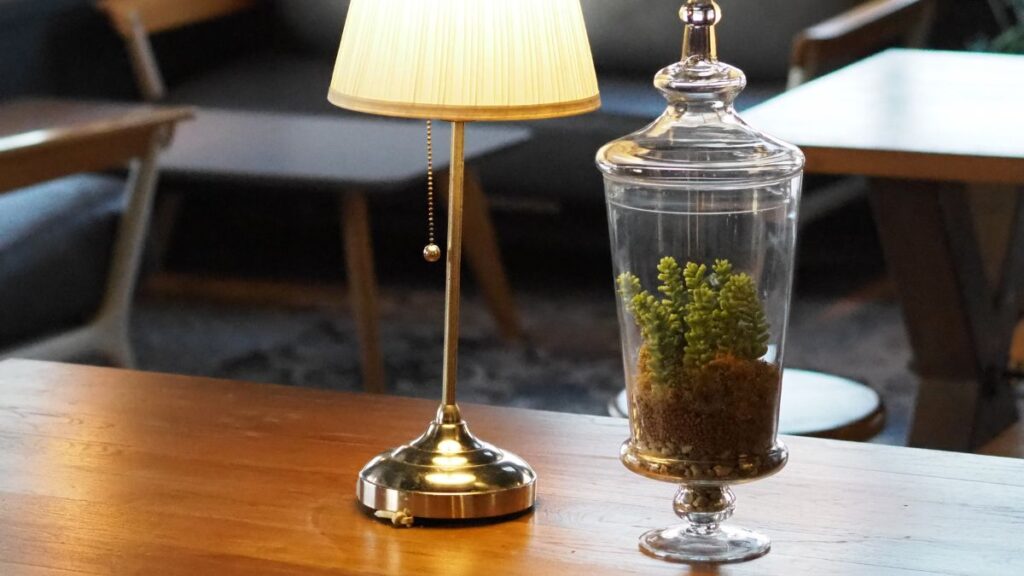
Picture walking into a room and spotting plant-filled glass orbs hovering overhead—an instant focal point that draws smiles and conversations. These are micro terrarium ecosystems, with hanging terrariums showing off both nature and creativity in ways that feel magical and modern.
Adding nature’s calm to spaces with limited floor or table real estate, vertical decor like hanging terrariums delivers green relief right at eye-level. Even a small cluster enhances ambiance, creating movement and interest above your head instead of on the ground.
This guide is packed with realistic strategies for showcasing hanging terrariums, caring for your micro ecosystems, and using height for decorative storytelling. Step through each section to gain practical techniques and inspiring ideas for your next green display.
Choosing the Right Vessel: Matching Glass Shapes to Space and Style
Selecting the vessel style first ensures your hanging terrariums suit both the plants and the location. Consider the size of your space and the visual balance you want to create between open air and lush greens.
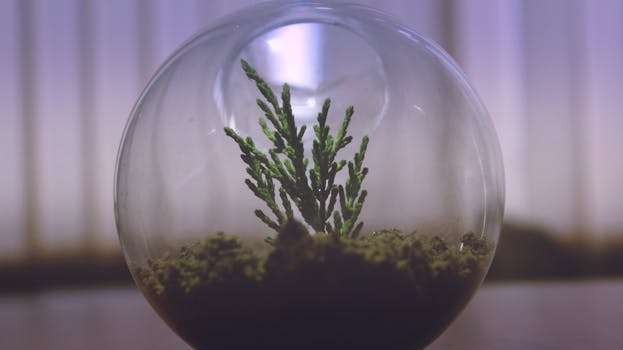
Rounded glass globes amplify sunlight, supporting lush moss or ferns inside, while teardrop styles direct the gaze vertically, perfect for narrow corners or artistic groupings. Each glass shape sets the tone for what lives inside.
Open Globe vs. Teardrop: Visual Impact in Different Rooms
Open globes invite curiosity and interaction. You can gently touch the leaves, mist the moss, or easily tidy up the interior. People naturally lean closer for a peek.
Teardrop vessels stretch upward with grace, guiding the eye along the arc. These work well in tight hallways or beside art, connecting vertical lines in your décor for subtle drama.
In a kitchen, try a series of open globes filled with trailing micro Pothos. For entryways, a vertical row of teardrops adds elegance and greenery without blocking sightlines or flow.
Grouping Shapes: Achieving Composed Vertical Displays
Arrange multiple glass vessels at staggered heights for dimension and movement. Odd numbers feel most natural—imagine three or five terrariums at cascading levels beside a window.
Mix large and small orbs to echo the look of bubbles rising through water. Use visual anchors like a central lamp or frame for symmetry and cohesion in your display.
Curious guests will ask, “Did you make that?” Try replying, “Yes, I started by grouping similar shapes, then added cozy lighting to draw everything together.”
| Vessel Shape | Best Use | Plant Suggestions | Takeaway |
|---|---|---|---|
| Open Globe | Showcasing lush mosses | Baby Tears, Cushion Moss | Easy to clean; encourages interaction |
| Teardrop | Narrow or vertical spaces | Java Moss, Mini Ivy | Directs gaze upward, ideal for corners |
| Flat Bottom | Stable hanging or wall hooks | Mini Ferns, Fittonia | Good for placing stable miniatures |
| Bulb | Accent clusters or bundles | Pepperomia, String of Pearls | Adds volume to multi-piece decor |
| Diamond | Modern, geometric settings | Air Plants, Succulents | Gives a contemporary edge to the display |
Micro Ecosystem Setup: Start-to-Finish Guide for Healthy Hanging Terrariums
Establishing a balanced micro ecosystem safeguards the longevity and beauty of your hanging terrariums. Begin with a clean vessel and layer foundational substrates for drainage, nutrient support, and humidity control.
Work in a well-lit, steady area to prevent mishaps. Use this sequence as a practical script, checking off each stage as you go. Methodical assembly yields healthy growth and lasting impact for your vertical display.
Preparation Steps for a Healthy Micro Habitat
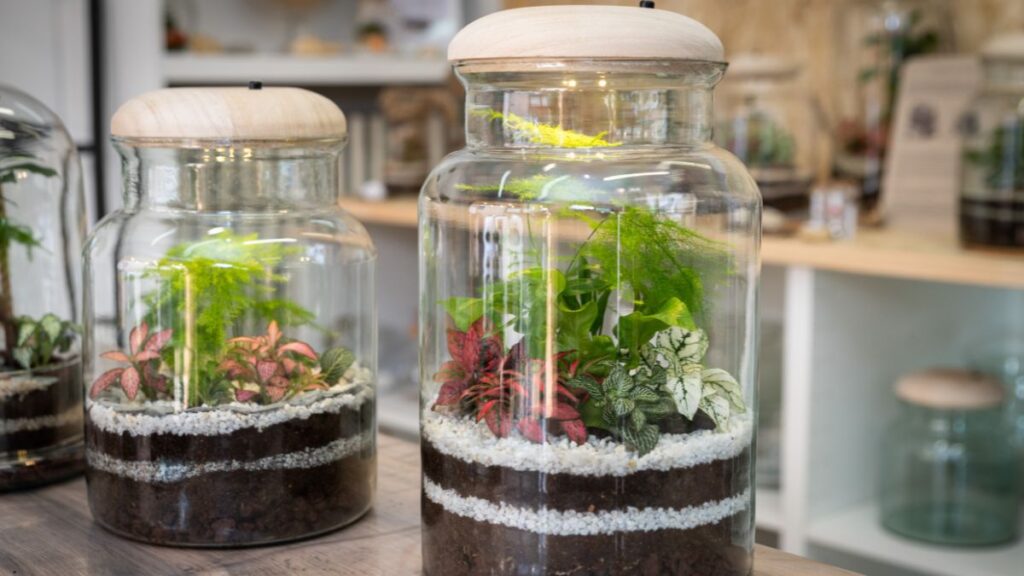
Gather all supplies first: glass vessel, pebbles, activated charcoal, specialized terrarium soil, and tweezers. Lay out plants and any decorative elements within arm’s reach to avoid back-and-forth distractions.
Set 1 inch of pebbles to ensure drainage. Sprinkle activated charcoal on top; this layer absorbs odors and prevents root rot in closed, humid conditions.
Spread 1–2 inches of terrarium mix, gently pressing down so roots anchor well. Avoid hard packing—fluffy soil lets delicate microgreens take hold.
- Rinse vessels with warm water and let air dry to remove dust or residue, boosting clarity for better plant photosynthesis.
- Use a bent spoon or chopstick to nudge substrate into place, preventing smudges on the glass or shifting layers as you work.
- Hold plants at the stems, gently tucking roots into pre-made holes. Press soil around roots with a soft brush for stability without trauma.
- Set the vessel at a slight angle when planting to access tight spaces, especially in teardrop or bulb styles with narrow openings.
- Mist lightly after planting—avoid heavy watering that pools at the base, which fosters mold or fungus in a micro terrarium ecosystem.
Once planted, step back. Observe from multiple angles to spot weak spots or compressed soil. Lightly fluff and even out substrate as needed.
Checkpoints for a Thriving Living Display
Inspect weekly. “Is condensation visible each morning?” If not, lightly mist. Root tips should be white, never brown—tweak moisture or light as needed.
- Keep terrarium away from direct midday sun to avoid leaf scorch and algae bloom—a north or east window is ideal.
- Rotate your terrarium every few days to encourage even growth and prevent plants from leaning toward a single light source.
- Pinch back overgrown stems promptly to help air circulation inside the vessel, preventing fungus gnats and mildew buildup.
- Use tweezers to pick out fallen leaves, which could decay and impact ecosystem balance over weeks in a closed environment.
- If musty smells arise, remove the vessel and briefly air it out, especially in setups featuring mosses or other humidity-loving species.
A healthy micro ecosystem in your hanging terrariums means vivid greens, no patchy mold spots, and perky, upright leaves everywhere you look.
Arranging Hanging Terrariums for Maximum Visual Engagement
Staggered heights and varying depths in your layout draw the eye upward and across the space, creating movement and intrigue much like art installations. Develop a regular check-in routine to maintain balance and vibrancy over time.
Creating a focal point with hanging terrariums means intentional placement, not random hooks—anchor one prominent vessel, then cluster others for a rhythmic, organic feel.
Layer Cluster Technique for Impactful Verticals
Mount a sturdy hook or rack above eye level—this becomes your visual anchor. Hang the largest or most detailed terrarium directly from it, positioning others at 6-inch increments to form gentle curves or slopes.
Add visual weight with trailing greenery or colored sand for contrast. If displaying by a window, stagger vessels to catch natural light from different angles throughout the day, amplifying shimmer and shadow effects.
This approach ensures the layering doesn’t look cluttered. People may say, “This flows like a watercolor—where does it even start or end?” Say, “It’s about guiding your eyes along each green accent.”
Accent Lighting for Nighttime Drama
A small LED spotlight, installed just above or behind your main hanging terrariums, makes micro landscapes glow like hidden gardens after dark. Choose cool white for modern settings—warm for cozy, layered ambiance.
Clip-on fairy lights twisted around suspension cords add sparkle and highlight leaves or crystals inside for maximum nighttime interest. Short lighting timers (on at dusk, off before bed) prevent overheating sensitive plants.
Neighbors will glimpse the glow through your window and wonder about your lush, miniature garden. Invite visitors to step closer and see the terrariums themselves—each with tiny, living worlds inside.
Caring for Micro Ecosystems in Suspended Glass
Consistent routines keep hanging terrariums healthy and sharp in appearance. Daily observation anchors these habits: a glance each morning lets you respond quickly to color changes, water beads, or subtle shifts inside the vessel.
Scheduling light misting, trimming, and substrate checks once a week ensures lush growth. Use a printed or digital checklist, taping it near your display for visual reminders and peace of mind—this keeps maintenance manageable.
Moisture Balancing in Narrow Vessels
Use a fine-mist spray bottle aimed away from glass walls to prevent streaks. Focus water near root zones while keeping foliage dry, especially for mosses and ferns that dislike soggy air pockets.
Watch for beads of condensation after watering. If the vessel stays fogged for more than four hours, ease up on misting or crack the vessel lid open briefly to boost airflow.
If a moss patch browns or shrinks, gently lift with tweezers and replace. Healthy moss rebounds quickly, maintaining vibrant coverage throughout your micro ecosystem showcase.
Pest Prevention and Gentle Troubleshooting
If fungus gnats appear, sprinkle a pinch of ground cinnamon onto the soil surface. This natural method disrupts larvae development, keeping populations in check without harsh chemicals.
Yellowing leaves signal nutrient imbalance: swap out a tablespoon of substrate every month with fresh mix. This introduces nutrients and helps maintain optimal moisture retention across all inhabitants.
Scripts like “See debris, pick it out; spot yellow, change the mix” keep care stress-free. Routine attention nips problems in the bud, making each hanging terrarium a living centerpiece for the long run.
Adding Decorative Touches for Personalization and Storytelling
Customizing hanging terrariums transforms them into conversation starters. Use miniature figurines, colored sand layers, or tiny pathways to craft unique micro scenes visible from every angle.
Accessories should suit both plant health and visual story—choose waterproof, non-toxic materials and avoid crowding the living elements inside the vessel.
Incorporating Miniature Statues or Pathways
Arrange a miniature bench or lantern along a curve of moss, simulating a woodland rest stop. Secure figures near the edges for easy visibility, spacing several so no greenery gets shaded.
A winding path of pea gravel makes the small world feel lived-in and dynamic. Consider adding a single fairy, tortoise, or crystal orb to serve as a whimsical centerpiece or conversation prompt.
Use this tip: “Only add as many accessories as can fit on a single coin,” ensuring decoration doesn’t overwhelm the ecosystem’s lush impact.
Seasonal Themes and Temporary Displays
Switch up themes for holidays or special occasions using swap-ready elements: red bow for winter, glass butterflies for spring, star charms for summer. Place these on skewers or pins for easy removal.
Mini pumpkin figurines or cotton snow patches work for a month, then lift out cleanly when the season changes. Store out-of-season items in labeled bags to keep displays fresh and relevant year-round.
This tactic means every gathering feels new—guests might say, “You redecorate your terrariums, too?” Respond, “It’s simpler than changing pillows!”
Hanging Technique Verification: Safe Suspensions for Peace of Mind
Double-checking suspension security prevents breakage accidents and protects all the hard work put into your micro terrarium ecosystems. Use tested, weight-rated hangers and regularly inspect for wear or corrosion.
Choose clear fishing line for a floating effect or sleek leather cords for a more modern, tactile presentation. Tie knots snugly, and give each vessel a gentle test pull before fully hanging.
Step-by-Step Hook Mounting for Different Surfaces
For drywall, locate studs with a magnet or dedicated tool for maximum security—anchor sturdy screws at least one inch deep. If hanging from a ceiling, opt for toggle bolts and check for nearby electrical items before drilling.
Brick or tile walls demand masonry hooks or adhesive technology made for glass and stone. Distribute weight between multiple hooks for groups of larger terrariums, reducing the risk of one anchor doing all the work.
Once-mounted, slide the vessel’s cord fully onto the hook before releasing. Check for movement or shifting over 24 hours; reposition if needed to maintain ultimate safety and display aesthetics.
Conclusion: Elevate Your Space with Thoughtful Hanging Terrarium Displays
Incorporating hanging terrariums brings color, movement, and living art to overlooked vertical spaces, changing how guests and residents experience everyday settings. Each display becomes a personal statement, merging creativity with botanical well-being.
Recent trends show a clear desire for micro terrarium ecosystems that blend décor with low-maintenance, highly visible living pieces. These suspended gardens offer a unique solution for small interiors and thrive with purposeful care and placement.
Create your own eco-artwork today—by choosing a vessel, layering with care, and arranging with intention, anyone can transform ordinary ceilings and corners into vibrant, eye-catching features. Hanging terrariums don’t just decorate—they invite you to enjoy miniature nature daily.
Frequently Asked Questions
- What plants work best in hanging terrariums?
Choose slow-growing, small plants like mosses, air plants, mini ferns, or Peperomia. These tolerate humidity and confined spaces while maintaining healthy, vibrant growth for months at a time. Avoid large or root-bound varieties. - How do I prevent mold inside my hanging terrarium?
Prevent excess moisture build-up by misting lightly and airing out your vessel weekly. Remove dead leaves immediately, and ensure your substrate contains charcoal to absorb odors and reduce fungal buildup. - Can I use succulents in a hanging terrarium?
Succulents need more airflow and less humidity than most enclosed hanging terrariums provide. If you choose succulents, use large openings, quick-draining substrate, and hang in bright, indirect light to prevent rot. - What’s the safest way to hang multiple terrariums in a group?
Use a multi-hook ceiling rack or evenly spaced wall hooks rated for more than twice each vessel’s weight. Test knot strength and inspect cords every month, repositioning if any signs of sagging or wear are detected. - How frequently should I water a hanging terrarium?
Micro terrarium ecosystems in hanging vessels typically require watering once per week or less. Mist rather than pour. If condensation is seen daily, skip watering until glass clears, then resume light misting.