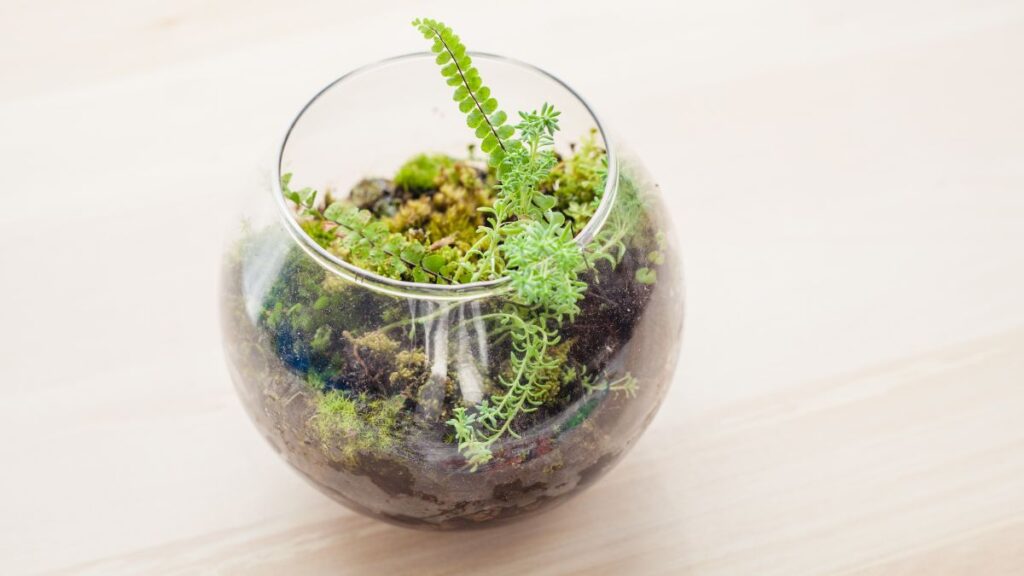
Bringing a bit of wild green into a tiny glass world can feel like magic. Anyone who’s tried miniature ferns inside a micro terrarium ecosystem knows that small doesn’t mean simple—these little plants transform spaces with dense fronds and intricate shapes.
Miniature ferns matter for terrarium builders because their dwarf scale and lush foliage create naturalistic environments that mimic forest floors. They help set the tone inside a terrarium by regulating humidity and establishing textures that larger plants just can’t deliver.
If you want to curate a miniature terrarium ecosystem that’s healthy and gorgeous, this guide outlines specific rules, real scenarios, and step-by-step care for selecting thriving miniature ferns. Let’s build a vibrant, closed botanical world—start here.
Building Stable Conditions so Miniature Ferns Flourish
Setting up a closed terrarium with miniature ferns demands control over warmth, moisture, and airflow. Correct balances ensure the fronds look vibrant week after week, not wilted or yellow.
Roughly biweekly, check that condensation lines the glass. This shows humidity is high enough for miniature fern growth. Overly dry air stunts fronds, while soggy soil causes root rot.
Pinpointing the Ideal Microclimate for Fern Miniatures
Micro terrarium ecosystems thrive between 65°F and 75°F. Mimic this range, and the miniature ferns send out fresh growth tips. Place your terrarium away from direct AC draft or heaters. Stable temperature prevents frond browning. Brief exposure to colder windows leads to frond curling.
Keep indirect light consistent for miniature ferns. They perform well with filtered daylight—think north- or east-facing rooms. Too much harsh light and the fern tips scorch to white. Move the jar out of midday sun for best effect.
Controlling moisture means misting soil with a spray bottle—not a drenching pour. Wait for the top layer to dry before spritzing again. Humid air, not wet roots, helps maintain fern color and minimize mold.
Judging Terrarium Size and Layer Depth
Start with a vessel that’s at least 5 inches tall and wide for a single miniature fern. Layers count: Use a base gravel bed, then activated charcoal, and finally a rich, loose substrate. Dense soil leads to compaction and root suffocation. Use your finger to test: the soil should feel springy, not packed.
If pairing miniature ferns with moss, ensure the moss layer isn’t so thick it competes for water. Place the fern roots firmly but gently in their spot. Filling gaps around roots with extra substrate discourages shifting if you move the jar.
Scene example: Someone notices their terrarium ferns droop by the week’s end. They measure light with a test card to realize their shelf is dim by afternoon. Moving the jar closer to a window perks fronds up quickly.
| Fern Type | Ideal Temp (F) | Humidity (%) | Key Growth Tip | Takeaway Action |
|---|---|---|---|---|
| Pteris ensiformis ‘Evergemiensis’ | 70-75 | 70-80 | Bright indirect light | Move closer to window |
| Asplenium Bulbiferum (Mother Fern) | 65-75 | 80-90 | Mist every few days | Use a spray bottle |
| Adiantum raddianum (Maidenhair) | 68-72 | 60-75 | Keep substrate loose | Aerate soil monthly |
| Nephrolepis cordifolia ‘Duffii’ | 68-76 | 75-85 | Avoid direct sun | Add sheer curtain |
| Microlepia strigosa | 70-78 | 60-80 | Pair with moss only | Limit plant partners |
Essential Care Steps for Lasting Miniature Fern Health
Following a routine makes sure your miniature ferns stay full and vibrant inside closed terrarium ecosystems. Specific weekly actions prevent decline and stress.
Start with a care list. Every 7–10 days, check for dead fronds and snip them off at the soil line. This prompts new shoots and keeps disease at bay.
Encourage Growth: Simple Actions for Day-to-Day Success
Rotate your terrarium a quarter turn every three days so miniature ferns grow evenly. This little action stops your plant from leaning toward light and makes bushier fronds. Wipe inner glass monthly—clear glass boosts light penetration for healthier photosynthesis.
- Remove brown or yellowing leaves at the base—this stops mold.
- Keep water off fronds—misting root zone instead prevents leaf spots.
- Never let substrate stay soggy—this causes root rot.
- Spray lightly with distilled water—avoid tap mineral deposits.
- Open the lid for 30 minutes weekly—this refreshes air and lessens fungus risk.
Monitor for tiny bugs crawling along soil. If you spot any, gently rinse the fern’s base in cool water and replace the top half-inch of soil to keep pests minimal.
Top Troubleshooting Tasks for Closed Terrariums
When fronds develop dark or mushy spots, briefly uncap the terrarium for added ventilation. Remove any soft brown fronds right away. Wipe away visible green mold from substrate using a paper towel.
- Spot white fuzz near the soil? Increase air flow by propping the lid slightly open for an hour a day.
- Find pale leaves? Move the terrarium to catch more indirect sunlight.
- Notice drooping? Wait two days before the next misting and check roots for rot.
- See sticky residue? Wipe glass and check for early pest infestations.
- Fronds curling? Lower room temp to 70°F or reduce light level.
Cycling between monitoring, removing, and adjusting humidity or light solves most issues. Keep a simple log for each action and review monthly for patterns.
Best Miniature Fern Species for Compact Terrarium Setups
Selecting the right miniature fern species is key to lasting success in micro terrarium ecosystems. Each type grows at a certain pace and fits a unique visual style. Knowing which suits your needs helps you achieve your mini-jungle vision.
Start with one or two miniature ferns from reliable sources. Begin with heartier options while learning, then experiment with rarer ferns as your confidence grows. Each brings specific beauty and care requirements—choose based on space, light, and your preferred maintenance level.
Top-Rated Choices: The Unfussy Performers
Pteris ensiformis, also called Silver Lace Fern, produces narrow fronds with bold silver-green patterns. These thrive in compact terrariums when you avoid direct harsh sunlight. Rotate the jar regularly to maintain even growth and lush foliage.
Asplenium Bulbiferum, known for its distinct, arching leaf shape, tolerates moisture fluctuations surprisingly well. Its upright habit suits even narrow-neck jars. Trim small bulbils from frond tips and plant these for a lush colony effect over time.
Nephrolepis cordifolia ‘Duffii’, commonly called Lemon Button Fern, creates rounded, beady fronds and forms neat mounds. Give it reliable humidity and moderate light. This miniature fern is great for beginners eager for quick, visible progress without fussy daily adjustments.
Delicate Varieties: Treat with Care, Reward with Beauty
Adiantum raddianum or Maidenhair Fern is prized for tiny, round leaves on wiry stems. Keep its root zone slightly damp and cover the terrarium consistently. Any drafty or dry-air spot leads to crispy fronds—a warning to act fast.
Microlepia strigosa or Lace Fern has gracefully divided foliage. Position it where humidity is high and airflow isn’t blocked by larger leaves. Pinch off spent fronds to maintain the lacy effect and keep the roots free of decomposing matter.
Blechnum gibbum ‘Silver Lady’ grows upright with classic fern looks. Place in taller jars for height and stable temperature; overheating causes new leaves to dry at the edges. Mist gently and check moisture twice a week for peak display.
Arranging Miniature Ferns with Supporting Flora
A well-planned planting layout maximizes your micro terrarium ecosystem’s appeal and health. Create height layers, textures, and green tones to mimic a natural scene. This makes your miniature ferns look even more impressive as a centerpiece.
Stagger plant heights so taller ferns sit further back in the jar while ground covers or moss line the foreground. This gives a sense of depth. Avoid crowding—leaves that touch glass stay wet, inviting mold and decay over weeks.
Combining Ferns with Mosses for Forest Floor Effects
Place miniature ferns at least an inch apart from moss carpets. Moss soaks up stray water and helps keep terrarium air damp during trouble spots like accidental under-watering.
Use taxiphyllum moss or Leucobryum moss (cushion moss) for their slow growing, bright color. Pack gently around fern bases without piling past the crown—the joints where the fronds sprout.
Add a fragment of bark or a flat stone for natural contrast. These details showcase how miniature ferns stand out against the low, thick textures and help direct excess moisture away from root balls after watering.
Positioning Companion Plants for Balance
Include a few hardy micro-begonias, selaginella, or pilea cuttings—each brings a pop of color or different leaf size to offset miniature fern fronds. Place these at jar edges or tucked behind driftwood for pleasing asymmetry.
Use a spoon or wooden skewer to nudge new additions into place. Avoid large plant plugs, which shade your ferns. Instead, focus on tiny cuttings with slow, compact growth. This reduces overcrowding in the first season.
Scenario: Moving a miniature selaginella from under a fern when leaves begin to yellow. This simple tweak improves airflow and helps both species stay visually distinct and healthy. Monitor the effect over the coming week.
Conclusion: Bringing Micro Terrarium Ecosystems to Life with Miniature Ferns
Every micro terrarium ecosystem comes alive with the right miniature ferns added with intention and care. Each tiny frond enlivens its space and stabilizes the terrarium climate.
Planting dwarf ferns isn’t just about beauty. It’s about building stable, collaborative mini biomes where every choice—light, water, companion—affects daily health. Your thoughtful actions keep this contained forest bright.
Adopt new routines from this guide to enjoy a lush, self-sustaining living world behind glass. Every step—from species choice to weekly trimming—cements your role as a true terrarium builder.
Frequently Asked Questions
What’s the smallest miniature fern species for a micro terrarium ecosystem?
Pteris ensiformis ‘Evergemiensis’ and Nephrolepis cordifolia ‘Duffii’ both stay under 8 inches and hold their shape when grown in small glass containers, making them reliable picks for ultra-compact terrariums.
How do I keep mold and fungus from popping up on my miniature ferns?
Open your terrarium lid for thirty minutes weekly. Remove all dead or yellowing matter right away. Use distilled water for misting and avoid letting leaves touch the glass to cut down on mold spots.
Should I fertilize miniature ferns in closed terrariums? If so, how?
Only use diluted liquid fertilizer (one-quarter strength) every two to three months. Apply a tiny amount to the soil. Excess fertilizer builds up quickly in closed spaces, causing browning fronds and algae growth.
Can I combine more than one miniature fern in one micro terrarium ecosystem?
Yes, but limit to two or three species with the same preferred humidity and light needs. Space each plant to prevent fronds from overlapping, which slows airflow and increases disease risk inside the sealed container.
What’s the best light for miniature fern terrariums on a desk?
Bright indirect light is ideal. Position your terrarium near a north-facing window or under a white LED desk lamp. Rotate the vessel every few days for even growth and to reduce leaf leaning or white-tip fading.