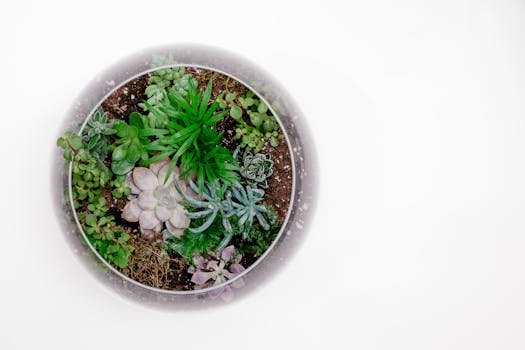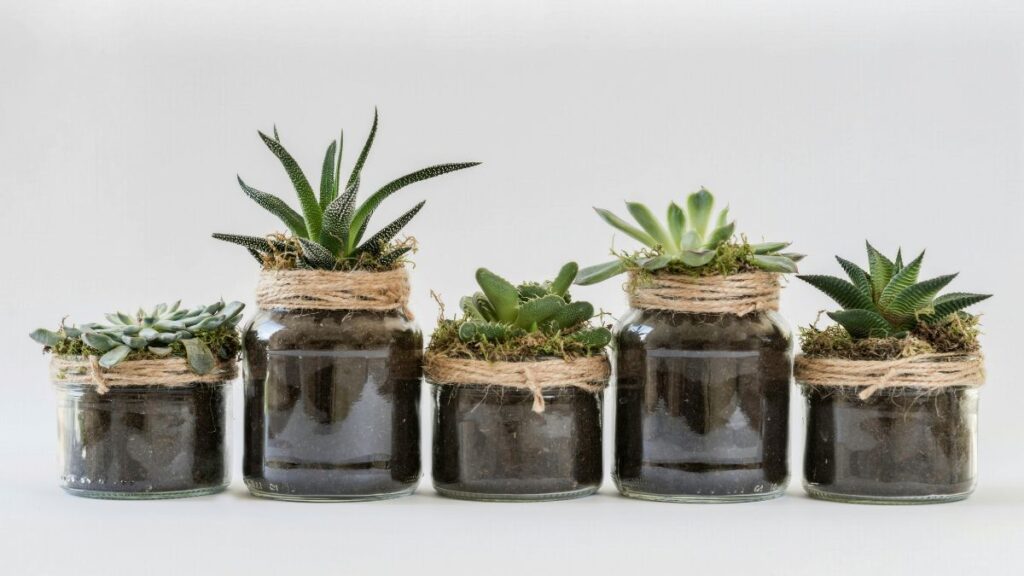
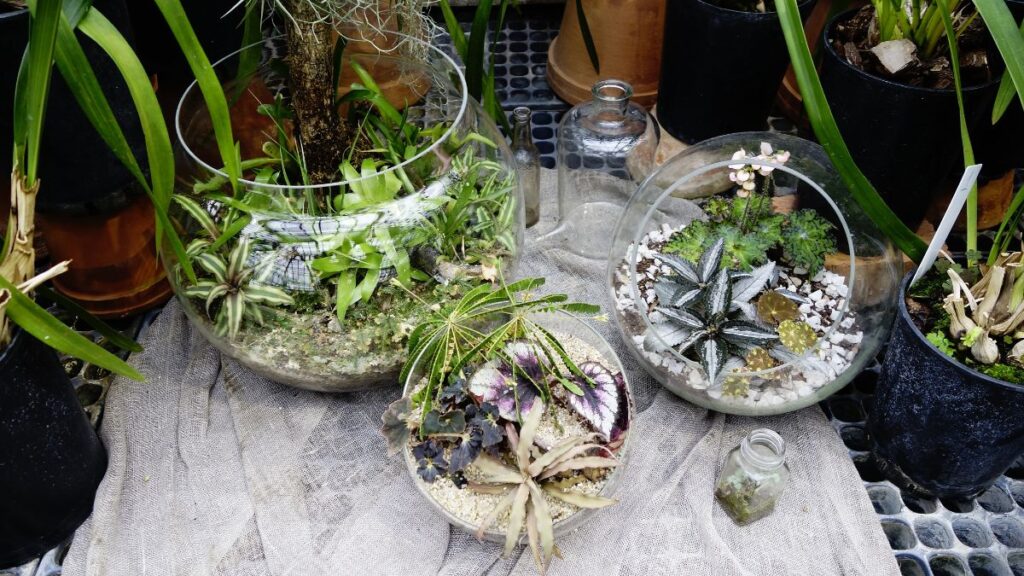
Building a micro terrarium ecosystem is like creating a tiny jungle in glass. Finding the right tropical plants brings that vision to life, even for absolute beginners.
Terrariums offer a unique way to enjoy lush plant life in small spaces. The key to success lies in choosing tropical plants that actually thrive indoors without demanding constant attention.
Whether you’re planning a tabletop garden or a small glass jar of greenery, this article will guide you through the simplest, most reliable tropical plants for your first micro terrarium ecosystem.
Choosing Tropical Plants That Grow Well in Closed Micro Ecosystems
Making your first micro terrarium work means picking tropical plants proven to adapt and survive in enclosed glass environments. Strong choices save time, money, and disappointment.
Unlike regular houseplants, terrarium candidates must handle high humidity, limited airflow, and minimal root space. Always pick species labeled as true terrarium plants to prevent rot or pest issues.
Shortlist Tropical Plants That Rarely Outgrow Containers
Avoid plants that grow aggressively or quickly outgrow small spaces. Instead, select species with compact growth, such as Fittonia, Peperomia, or cryptanthus. These tropical plants stay manageable and thrive in closed micro ecosystems.
Fittonias, for example, remain small and their colorful veins brighten up even the tiniest glass jars. Peperomia species offer thick, textured foliage ideal for maintaining moisture and visual appeal in micro terrariums.
Cryptanthus, also known as Earth Star, has low, star-shaped leaves and adjusts well to the restricted airflow in closed containers. Sticking to these species means less pruning, more thriving.
Evaluate Moisture-Loving Foliage for Maximum Health
Pileas and ferns are popular tropical plants because their leaves love humidity. Their thin foliage evenly covers moist soil, helping maintain a natural moisture cycle inside the ecosystem.
Pilea depressa, with its trailing growth habit, easily fills gaps and clings to substrate, mimicking natural forest floors. Miniature ferns add softness and a wild, miniature forest look that fits perfectly in compact glass setups.
Dense foliage provides living ground covers, acting as natural humidity regulators inside the micro terrarium. Choosing plants with these leaf structures keeps water cycling and plant roots happy.
| Plant Species | Light Needs | Max Height (inches) | Best Feature |
|---|---|---|---|
| Fittonia | Low to Moderate | 6 | Vivid leaf veins; stays compact |
| Peperomia | Bright Indirect | 8 | Thick, water-conserving leaves |
| Pilea depressa | Low to Moderate | 4 | Trailing; fills empty spaces |
| Cryptanthus | Moderate | 5 | Earth-star shape, minimal care |
| Miniature Ferns | Low | 4 | Fine, decorative foliage |
Establishing the Perfect Environment for Moisture-Loving Plants
Setting up your micro terrarium environment the right way directly improves tropical plant health. Follow these practical steps to achieve lasting results from the very start.
Always clean your container, add a drainage layer (pebbles or LECA), then a thin activated charcoal layer to keep moisture fresh. Layer with moisture-retaining substrate before planting your chosen tropical plants.
Add Decorative and Functional Layers in Sequence
For best moisture management, start with rocks or LECA at the bottom. Next, spread a sparse charcoal layer, then moist soil or coco coir—never pack it tightly. This prevents root rot for your tropical plants.
- Start with a one-inch rock or LECA layer to prevent waterlogging and root rot in micro terrariums. This creates essential drainage and mimics natural tropical plant habitats.
- Add half an inch of activated charcoal to filter water and reduce odors. Charcoal also discourages unwanted fungal growth, keeping tropical plant roots healthier over time.
- Use moistened, lightweight, airy substrate—coco coir is ideal. Avoid heavy garden soil; it compacts too much and suffocates tropical plant roots in small containers.
- Plant only as deep as the root balls. Sinking stems can rot when submerged in moist soil, especially among humidity-loving tropical plants in sealed glass jars.
- Top-dress with sphagnum moss or decorative stones. Moss keeps in moisture without smothering roots, while stones protect delicate stems of tropical plants from excess splashback.
Once tropical plants settle, avoid frequent watering. Watch for condensation as natural clues—the glass should mist lightly but never pool water at the base. If it fogs daily, open the lid for airflow.
Check Condensation Levels Weekly for Quick Adjustments
Every week, inspect for humidity balance inside glass terrariums. Too much moisture causes rot. Too little dries out even the hardiest tropical plants. Learn your ecosystem’s rhythm and adjust lids or misting accordingly.
- Look for mist droplets every morning; this signals stable humidity for tropical plants. If it pools, lift the lid to vent and protect roots for a few hours.
- Notice leaf color and uprightness. Wilted, brown-edged leaves tell you it’s too dry, while yellow, mushy foliage means it’s too wet. Adjust watering rhythm by one day and record the result.
- Use your finger to feel the substrate’s surface—if it’s barely damp, conditions are right. Soggy soil calls for an open lid. Dry topsoil means a small misting boost is needed.
- Add a thermometer and hygrometer to track microclimate swings. Keep humidity steady between 70% and 90% for standard tropical plant health.
- Always monitor over time. Terrarium microclimates shift with seasons and sunlight; tuning lid position and misting keeps tropical plants growing consistently strong.
Mastering these tiny module routines creates a stable base for more adventurous tropical plant choices in future terrarium builds. Small tweaks pay off quickly with lush, slow-growing results.
Spotlighting Easy, Resilient Tropical Species for Mini Terrariums
The right tropical plants reduce headaches and amplify long-term terrarium health. The best species tolerate microclimate shifts, recover from missed waterings, and regrow quickly after minor mishaps.
These beginner-friendly picks thrive even when you’re building your first enclosed glass garden or experimenting with micro terrarium ecosystems for the first time.
Rattlesnake Plant: Striking Looks Without the Fuss
Calathea lancifolia, nicknamed “Rattlesnake Plant,” offers ornamental leaves with deep green markings and wavy edges. It naturally enjoys high humidity, making it a classic fit for closed glass micro terrariums on warm, bright shelves.
Keep soil barely moist, and its roots will never rot. Unlike many tropical plants, this species tolerates irregular water cycles and low light for short periods, bouncing back readily.
For a quick-fix, revive limp leaves by misting lightly and opening the container an hour. Rattlesnake Plant’s upright posture and bold foliage intensify tiny terrarium scenes effortlessly.
Miniature Nerve Plant: Colorful Contrasts in Small Spaces
Fittonia albivenis, or “Nerve Plant,” highlights pink, red, or white veins against compact green leaves. It creeps gently and rarely exceeds a few inches tall, so you won’t need frequent trimming.
High humidity and filtered light suit Nerve Plant best. If you spot droopiness, mist the container and close the lid for a few hours; it rebounds fast thanks to the plant’s resilience.
Pair with small decorative stones or moss for added dimension—Nerve Plant’s low, colorful foliage is ideal for micro terrarium detail work.
Lighting Tactics That Work for Simple Tropical Terrarium Setups
Easy-care tropical plants adapt to filtered sunlight and artificial light with the right positioning. Efficient lighting keeps terrarium ecosystems stress-free for beginners, even on cloudy days or in north-facing rooms.
Direct sun usually overheats glass and burns plant leaves. Instead, put your micro terrarium near a bright window with indirect light or under a grow lamp on a timer for consistent, gentle exposure.
Control Light Duration for Balanced Growth
Give your tropical plants eight to twelve hours of gentle light each day. Use a plug-in timer to automate grow light cycles. When using window light, rotate the container regularly for even coverage.
If leaves pale, stretch, or lean, the light intensity could be too low—move the glass vessel closer to the window but avoid midsummer sunbeams. Overly compacted, dark-green growth signals too much shade and stale air.
Direct observation trumps guesswork: lush leaves and upright posture show you hit the lighting sweet spot for tropical plants inside micro terrariums. Adjust setups each season for long-term success.
Choose Bulbs Wisely for Artificial Lighting
Compact fluorescent (CFL) or LED grow lights emit low heat and balanced spectrum. Place bulbs 10–12 inches above the terrarium lid for safe, steady light. Avoid incandescent bulbs; they dry out air and torch plant foliage.
For tall containers, consider flexible gooseneck lamps to direct light. Small, cube-style terrariums do well with flat LED panels. Aim for 4,000–6,500K bulbs—this mimics natural daylight for tropical plants.
Use a soft, clean cloth to wipe glass monthly; dust buildup cuts light reaching your tropical plants. Easy cleaning routines increase growth rates in every type of enclosed micro terrarium ecosystem.
Routine Care Schedules That Keep Tropical Terrariums Thriving
Maintaining a consistent care schedule prevents most beginner errors. Micro terrarium ecosystems need minor but regular attention rather than constant fussing for tropical plants to flourish long-term.
Create a two-minute weekly checklist, and follow the same steps at the same time—this builds healthy habits and keeps all your tropical plants in sync with the glass environment.
Weekly Checklist: Five-Minute Micro Terrarium Inspection
Every week, take time to open the lid and ventilate the container for twenty minutes. This keeps air fresh and prevents mold. Wipe condensation from the glass as needed, then visually check every plant for healthy, upright leaves.
Snip any yellowing, browned, or mushy leaves at the base. Remove fallen plant debris on top of the substrate. A quick touch test confirms the soil stays slightly moist for tropical plants needing consistent humidity.
Spotting fungus gnats or pests? Trap adults with sticky tabs outside the glass and sprinkle cinnamon powder on the substrate’s surface—it’s a natural deterrent for common terrarium bugs.
Monthly Refresh: Deep Cleaning and Light Pruning
Every four weeks, lightly rinse any visible mold from decorative stones or driftwood in the terrarium using clean, filtered water. Remove and replace faded moss or dying mini-plants in one simple sweep.
Wipe glass panels inside and out with a vinegar-water mix before gently returning your tropical plants into place. Trim back overgrown sections using clean scissors—always cut above leaf nodes to stimulate fuller, bushier regrowth in micro terrarium species.
These routine actions build plant confidence and bolster the health of your tropical plant collection inside micro terrarium ecosystems. Consistency means less stress and more vibrant greenery.
Adapting to Seasonal Changes and Plant Growth Signals
Learning to interpret signals from your tropical plants leads to smarter adjustments in a micro terrarium. Seasonal shifts in light and temperature require gentle, timely changes to keep every plant vibrant.
As light levels and heat shift each year, observe and respond to plant cues rather than defaulting to a set-it-and-forget-it routine. Tropical plants will give clear visual signals when their ecosystem needs refreshment.
Growth Spurts and Container Crowding
When tropical plants start leaning or crowding each other, it’s time to trim or gently repot the biggest species. Remove the plant, snip away damaged leaves, and replant the healthiest, strongest stems for ongoing micro terrarium balance.
If moss overgrows and smothers other species, use tweezers to thin patches. Always plant mini varieties as replacements to prevent overgrowth spirals and biodiversity decline inside closed glass terrariums.
Refreshing one-third of the plants each season, rotating with new tropical species, ensures your micro terrarium ecosystem stays lively and engaging without big overhauls or risk.
Temperature Swings and Humidity Balancing
If your home’s air gets drier or colder temporarily, monitor condensation and misting frequency closely. Mini hygrometers tucked inside the terrarium provide instant readings, which tell you when to up or cut back misting for tropical plants.
For sudden cold drafts, quickly protect the terrarium from sub-60°F air by moving it to an interior location. Warm, stable rooms ensure tropical plants recover easily without dropping leaves or shutting down in the micro ecosystem.
Stable conditions reward you with fresher foliage and minimal disease risk, so always treat unusual signals as early repair opportunities rather than waiting for entire cycles to fail.
The Key to Long-Term Tropical Plant Success in Micro Terrarium Ecosystems
Reliable tropical plants turn a glass case into a dynamic, living ecosystem. They not only look beautiful but help regulate humidity and maintain balance for all micro terrarium inhabitants.
By selecting compact, humidity-loving species and giving them a consistent care routine, beginners will avoid the most common pitfalls of micro terrarium design and maintenance.
Remember, observation and gradual adjustments make the biggest difference. Notice condensation, leaf growth, and soil moisture to inform your weekly steps. Micro terrariums reward curious, attentive care—and quickly become lush, low-stress escapes into nature.
Frequently Asked Questions
What are the most forgiving tropical plants for absolute beginners?
Fittonia, Peperomia, and Pilea depressa rarely have issues in micro terrariums. These tropical plants tolerate a range of humidity and recover well from irregular watering schedules, making them friendly choices for new growers.
How can I fix yellow leaves or soft stems quickly?
Yellow leaves usually signal too much water or not enough light. Remove waterlogged plants, trim damaged parts, and increase airflow. Softer stems mean root rot—snip healthy cuttings and replant in fresh substrate for a simple reset.
How frequently do I need to open my closed terrarium?
Open lids once a week for 20–30 minutes. This refreshes air and prevents mold. You can increase ventilation during warmer months to prevent overheating, always observing condensation as your tropical plant’s best climate clue.
Can I grow flowering tropical plants in small micro terrariums?
Tiny varieties like mini African violets or jewel orchids may bloom in stable, humid conditions. Provide indirect light and avoid crowding to encourage delicate flowers. Expect leafy tropical plants to dominate most micro ecosystems, with flowers as occasional bonuses.
My terrarium ecosystem is fogging up heavily every morning. What should I do?
Heavy fog means the micro terrarium is too humid for the chosen tropical plants. Open the lid for a few hours until glass clears up. Reduce watering, and trim overgrown foliage to allow more airflow and restore balance.