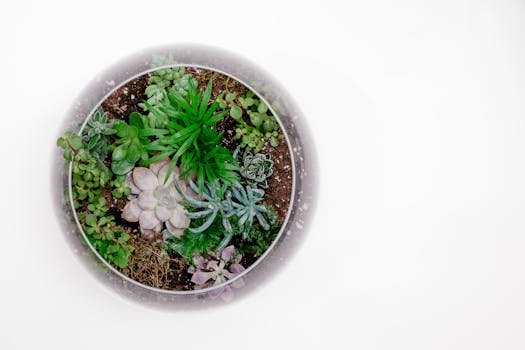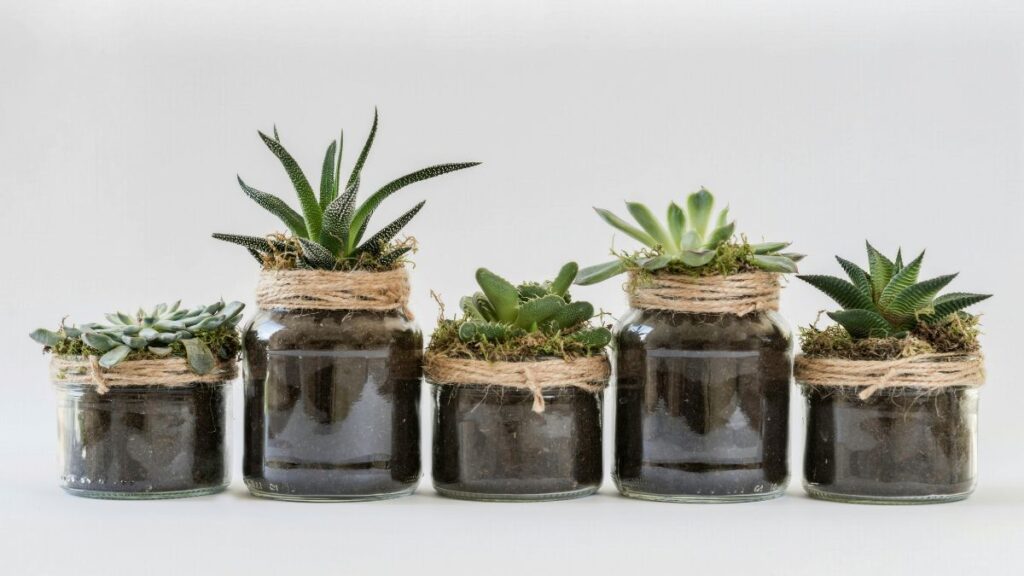
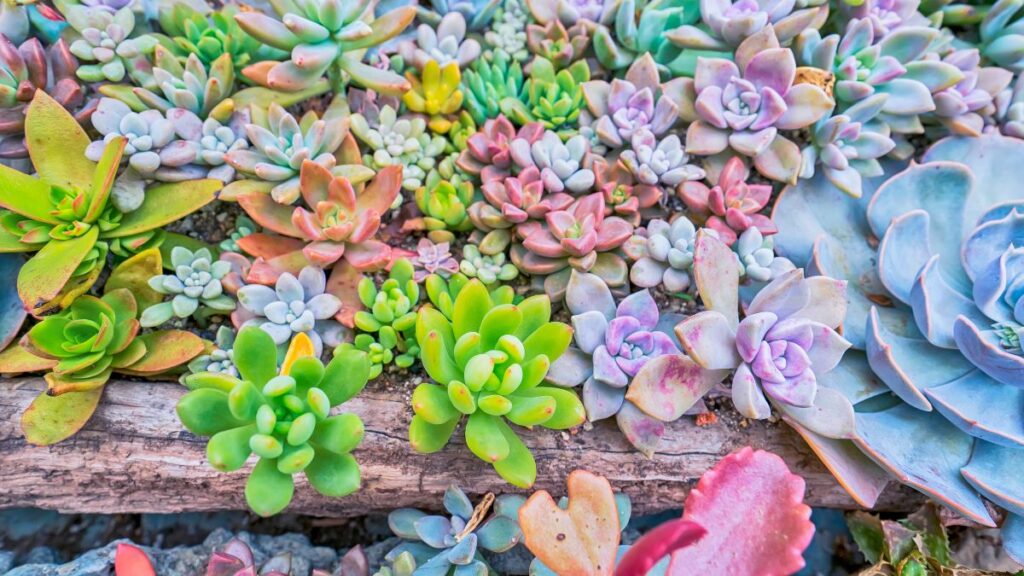
Glass vessels transform into living art with just a sprinkle of greenery. As you glance at an open terrarium shaped by tiny worlds, miniature succulents offer a sense of deliberate calm and delight your senses instantly.
These micro terrarium ecosystems bring texture and color to surfaces where houseplants typically struggle. Focusing on petite plants unlocks design freedom for both minimalists and collectors aiming for a balanced, lively indoor display.
Curious about the best ways to select, pair, and maintain miniature succulents? Explore methods cultivated over years of hands-on trial to create open terrariums and airy displays that thrive in any bright corner.
Build Stability with Strategic Layering in Glass Terrariums
Start strong: laying out the right foundation ensures miniature succulents will stay healthy and rooted while balancing moisture and airflow. You’ll see clearer growth results and reduce common issues like rot.
Work in layers, beginning with a drainage level. This technique mimics natural arid micro terrarium ecosystems and prevents roots from sitting in stagnant water, anchoring the health of your plants for weeks to come.
Create Effective Drainage with Natural Materials
Structure your base with pebbles, gravel, or horticultural charcoal. Toss in a shallow layer of small stones, just enough to cover the glass bottom, then sprinkle a thin coating of charcoal on top to keep odors in check.
Don’t skip this step, even with open terrariums. You want a buffer so miniature succulents won’t soak up misplaced water, avoiding the soggy soil that can eventually suffocate their roots.
Layer your soil directly above the drainage, using a porous cactus mix. This keeps things airy and lets even the smallest succulents grip firmly, almost as if they’re perched on a dry, rocky ledge outdoors.
Anchor Miniature Succulents with Targeted Soil Placement
Pinch a little cactus soil and gently pile it over your drainage layer, making mounds where each miniature succulent will go. This hand-crafted detail gives roots space, supporting natural downward growth.
Gently wiggle the succulent’s root ball into the mound with tweezers or a chopstick. For fragile stems, hold near the base. The intention is stability — the plant sits snug with no obvious gaps underneath.
Finish by misting the top layer with water. The soil packs just enough without compressing the structure, kickstarting root settling and keeping everything tidy for your next creative step.
| Layer | Material | Benefits | Tip |
|---|---|---|---|
| Base | Gravel or Pebbles | Improves drainage | Use 1 inch depth |
| Barrier | Activated Charcoal | Reduces odors and toxins | Sprinkle lightly |
| Main | Cactus/Succulent Mix | Promotes aeration | Don’t overpack |
| Top | Decorative Sand/Rocks | Prevents algae, neat looks | Add after planting |
| Plants | Miniature Succulents | Compact, drought-tolerant | Select slow-growers |
Choose Petite Succulents with Distinct Growth Patterns
Pinpointing the right varieties makes all the difference in your micro terrarium ecosystem. Seek species that stay naturally small, grow upright or spread low, and maintain vibrant coloration over time.
Find plants that contrast in texture yet harmonize in requirements. This approach guarantees your miniature succulents will look intentional and their individual personalities will shine across the whole arrangement.
Grow Lasting Mini Displays with These Species
Many gardeners gravitate toward echeveria, haworthia, or lithops for open terrariums. These miniature succulents offer rosette shapes, geometric symmetry, and splashy greens or purples, blending perfectly with glass displays.
- Pick Echeveria minima for classic rosettes — lovely as a solo accent or in small clusters nestled among pebbles, offering enduring structure and minimal fuss year-round.
- Select Haworthia cooperi for their almost translucent, plump leaves. These mini succulents stay tight and thrive well in indirect light, adding visual intrigue beside taller plants or rock fragments.
- Mix in Sedum dasyphyllum with their trailing, bead-like leaves. Pairing these softer shapes with chunkier types builds eye-catching texture without one plant overwhelming the terrarium.
- Incorporate Lithops, also known as living stones. Their rock-like camouflage brings whimsy and surprise, ideal for curious guests and dry setups demanding minimal maintenance.
- Try Crassula ‘Baby’s Necklace’ for dainty, stacked leaves. Cluster them near the terrarium edge for a bushy effect — they bring a lively rhythm to sparse layouts.
Variety unlocks layered, evolving displays and ensures no two micro terrarium ecosystems look identical.
Blend Color, Texture, and Form after Planting
Install the tallest miniature succulents first in your open terrarium’s back section. Fan out shorter varieties in front or around the rim, like you’d stagger furniture for visual flow in a room.
- Arrange by leaf texture from smooth to fuzzy to avoid monotony, balancing plenty of negative space between clusters for healthy airflow and future growth.
- Frame with moss or small stones for contrast. Lightly press them into the mix, never covering the crown of succulents, to help slow evaporation and finish the micro terrarium ecosystem.
- Use contrasting hues—pair blue-green Sedum with garnet Echeveria to create a natural color pop that draws the eye and adds depth, even in compact arrangements.
- Keep similar moisture lovers together. Miniature succulents sharing care needs will thrive longer with less intervention. Skip species requiring vastly different watering, as mixed signals hinder plant health.
- Finish with a gentle sweep using a soft brush. Dust off leaves and tidy up the miniature landscape, revealing another level of micro detail to enjoy.
Swapping one or two plants each season refreshes the entire terrarium without much effort.
Control Water and Light to Prevent Common Issues
Target just enough moisture and light to keep miniature succulents healthy. Overwatering or poor placement are usually the root cause of weak growth or mushy leaves in micro terrarium ecosystems.
Consistent success comes from observation, adjustment, and using tools like squeeze bottles or moisture probes for accurate care tailored to your specific setup.
Spot Trouble Early with Quick Visual Checks
Eyes on: brown leaf tips or faded color means light is probably too dim or water has stagnated in the substrate. Resolve it instantly by rotating the terrarium or removing trapped liquid using a pipette.
Watch for leggy upright growth paired with pale foliage. This signals you’re lacking strong, indirect light. Move your open terrarium closer to a window filtered by a sheer curtain.
Keep everything tidy by brushing dust off the container, checking airflow, and ensuring pebbles stay visible beneath the lowest leaves. This signal shows your micro terrarium ecosystem is ventilated and healthy.
Water Miniature Succulents with Precision
Drip clean water straight at each plant’s base, being careful not to soak leaves or puddle in the glass. This direct method avoids rot and encourages nested roots to dig deeper.
Space out watering to when soil feels dry half an inch down. Miniature succulents thrive with brief periods between drinks—timing matters more than frequency.
During summer, expect to water every 8 to 10 days; in winter, cut back to once every three weeks, mimicking natural desert rhythms indoors for optimal durability.
Integrate Hardscape Features for Natural Drama
Build a narrative: rocks, driftwood, or bark help recreate the scale and visual interest of real desert terrain inside a tiny glass world. These hardscape additions also keep micro terrarium ecosystems competitive with larger plant displays.
Position chunky features first, before planting. The miniature succulents you add later should feel like they’re naturally nestled against a weather-worn boulder or tree root.
Frame Scenes with Contrasting Materials
Lay flat pebbles at the back, then lean a single weathered stick diagonally to simulate a windblown habitat. This angle adds movement and nudges the eye upward, guiding the viewer’s gaze through the micro landscape.
Experiment with grains and colors—sand for sun-like warmth or black gravel beneath silver-leaved succulents for a nighttime effect. Each color swap shifts the feel of your open terrarium in seconds.
Place a few sculptural rocks beside each grouping of miniature succulents, never under or touching roots, to ensure the mix remains clear and water drainage unhindered.
Use Vertical Elements to Maximize Space
Slip in an upright rock on one edge for height, then echo its silhouette by grouping short trailing succulents in front. This trick—repetition at different scales—builds a layered look in compact spaces.
Slim birch bark slabs or driftwood pieces tucked along the rim make tiny environments feel expansive. The contrast also signals movement, making the micro terrarium ecosystem visually engaging from every angle.
If you see a blank spot after planting, fit in a fragment of colored glass or a shell. These miniature cues create a lived-in story for your open terrarium.
Monitor Microclimates and Adjust for Consistent Health
Foster healthy miniature succulents by tuning in to the climate inside your open terrarium. Micro terrarium ecosystems develop their own air flow, temperature, and humidity patterns — all impacting growth.
Fine adjustments, such as shifting the position of your glass vessel or slightly opening a lid for an hour, can make the difference between droopy or vibrant plants over weeks and months.
Balance Sun, Shade, and Air Movement
Place your display within 3 feet of a bright west-facing window but out of direct sunlight. A daily rotation ensures all miniature succulents grow evenly and don’t lean lopsided as they reach for light.
In highly air-conditioned homes, move the terrarium away from vents. Too much airflow can desiccate the soil and shrink leaves, while stagnant air can boost mold risk.
Set your open terrarium atop a low shelf or windowsill where temperatures stay between 60 and 75 degrees Fahrenheit, guaranteeing steady, comfortable growth.
Refresh and Rearrange for Year-Round Visual Interest
Keeping your micro terrarium ecosystem engaging means cycling new miniature succulents and moving features to spotlight fresh combinations. This regular refresh offers personal satisfaction and keeps your display dynamic all year.
Prune back leggy growth or swap plants showing stress for healthy, new starts — rooting a leaf or stem cutting is a simple first step for a never-static exhibit.
Conduct Seasonal Checkups and Mini Makeovers
Review all your micro terrarium ecosystems at the start of each season. Dump old or spent soil, clean glass with vinegar, and examine roots for trauma or pests before replanting.
Reposition main features or hardscape with every refresh. Rearranging driftwood or rock shifts the tone—an angled stone feels bold, while groupings of soft moss mimic tranquility.
Add or subtract a miniature succulent to introduce sudden pop or subtle texture. A tiny trailing sedum in spring may look best swapped with a bright echeveria in autumn.
Bringing It All Together: Your Living Micro Landscape
Curating miniature succulents in an open terrarium is as much about methodical setup as creative flexibility. Working in layers, selecting shape-diverse species, and tailoring care combine to keep these micro terrarium ecosystems unique and thriving.
Design updates — from a single rock to a new color scheme — make even simple displays feel freshly inspired each month. The delight lies in hands-on discovery and customizing your glass world over time.
Let your open terrarium grow one rooted change at a time. Experiment with miniature succulents, keep basic routines consistent, and watch your living art take on new life and personality each season.
Frequently Asked Questions
Which miniature succulents do best in open terrariums?
Choose species that stay compact such as Haworthia, Echeveria minima, Sedum dasyphyllum, and Crassula ‘Baby’s Necklace.’ Lithops, the “living stone,” can handle dry glass environments without stretching or rotting. Stick with these and avoid fast-growing types that outpace the setup.
How much light do miniature succulents need in a micro terrarium ecosystem?
Miniature succulents thrive in bright, indirect sunlight. Place your open terrarium near a south or west-facing window but avoid harsh, direct rays that burn leaves. Rotate the container regularly so each plant receives even exposure and maintains balanced form.
What’s the ideal watering routine for open terrarium succulents?
Water sparingly. Let soil dry at least halfway down before the next watering, typically every 10 days in summer and every 2-3 weeks in cooler months. Use a small squeeze bottle or pipette to deliver water directly to the base and avoid moisture buildup on glass or leaves.
Do open terrariums need fertilizer for miniature succulents?
Use diluted succulent fertilizer at most 2–3 times per year, preferably in spring or summer. Over-fertilizing will cause spindly, unnatural growth. A healthy micro terrarium ecosystem rarely needs much feeding if the soil is fresh and routines are consistent.
How do I prevent pests in a micro terrarium ecosystem?
Inspect new plants for pests before adding them. Keep air flowing around your open terrarium and regularly remove dropped leaves or debris. If fungus gnats or mealybugs appear, isolate the affected terrarium and clean with a cotton swab dipped in alcohol, repeating every few days until resolved.