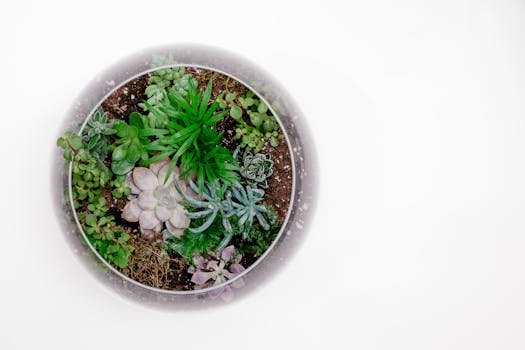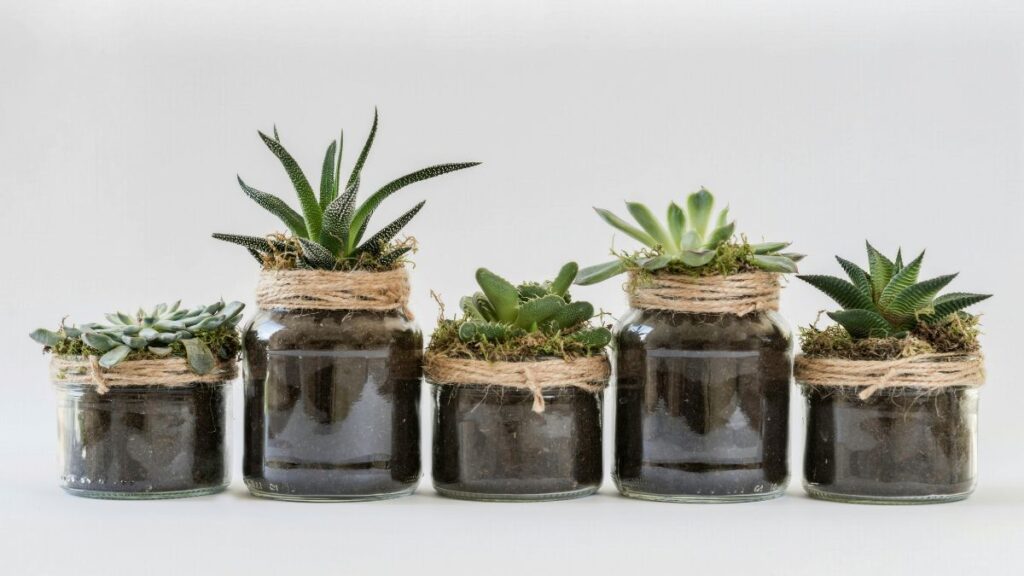
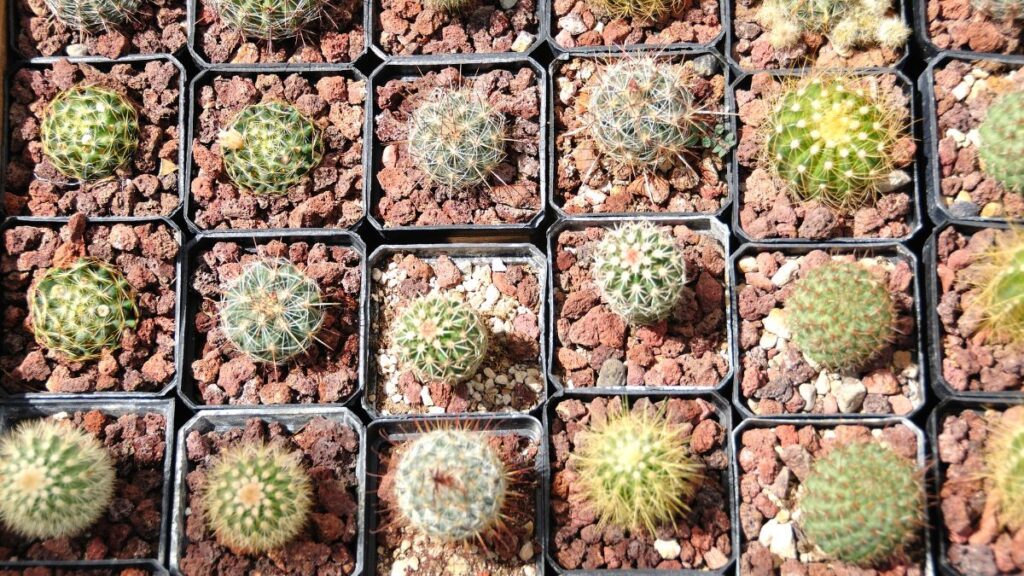
Texture, contrast, and curiosity fill even the tiniest glass container when micro cacti enter the mix. These pint-sized marvels transform micro terrarium ecosystems into self-contained arid wonderlands, full of detail to admire up close.
Incorporating desert flora into terrariums ensures lasting structure, unique silhouettes, and long-term resilience. Micro cacti demand less fuss than most plants yet create dramatic displays, thriving under conditions that mimic their native dry landscapes.
Step into the world of micro cacti and desert plants for arid terrariums. This guide shares hands-on techniques, realistic plant choices, and troubleshooting strategies, encouraging both newcomers and seasoned terrarium fans to expand their micro-ecosystem horizons.
Choosing Micro Cacti for Long-Term Terrarium Health
Selecting micro cacti for a terrarium helps anchor the ecosystem’s balance between beauty and survival. Focus on species that keep their compact forms and adapt to controlled environments.
After finding suitable tiny cacti, establish a planting plan. Consider root size, mature dimensions, and how much breathing room each cactus will need as it grows.
Understanding Dwarf Varieties for Terrariums
Dwarf micro cacti, like Rebutia or Mammillaria species, fit snugly into miniature terrariums without outgrowing the space. Their round forms and dense spines offer visual intrigue at a small scale.
These resilient plants rarely need repotting, making them ideal for those who prefer stable, low-maintenance plantings. When combining varieties, match watering needs and light preferences.
Choosing strictly dwarf forms means your micro cacti won’t crowd out slower-growing desert flora. This keeps the whole mini ecosystem healthier and more attractive over time.
Pairing Cacti and Companion Desert Flora
Successfully pairing micro cacti with other desert species, such as lithops or small euphorbias, results in layered, varied landscapes. Plant companions in visually striking drifts for a natural, wild-scape effect.
Use the analogy of a front yard rock garden—a cactus centerpiece mixed with subtle accents and gravel to recreate a tidy desert feel. Repeat this mindset on a micro scale for rewarding results.
If a friend comments, “What’s that tiny purple one with the round shape?”—you can confidently explain how mixing textures, colors, and forms keeps micro desert terrariums lively.
| Plant Name | Light Need | Watering | Best Use in Terrarium |
|---|---|---|---|
| Rebutia pygmaea | Bright Indirect | Monthly | Compact centerpiece for dry terrariums |
| Mammillaria gracilis | Direct Sun | Monthly | Focal point and group plantings |
| Epithelantha micromeris | Bright Indirect | Every 3 Weeks | Accent in sandy soil areas |
| Lithops aucampiae | Bright Indirect | Every 2 Months | Low-growing accent among stones |
| Haworthia attenuata | Filtered Sun | Monthly | Edge plant or border filler |
Creating an Arid Micro-Ecosystem from the Ground Up
Building a healthy micro cacti terrarium means layering materials with intention. Whether you’re assembling from scratch or revamping an old display, each base component adds stability.
A deliberate substrate mix prevents rot and compaction. Use this as your recipe for lasting health—and a stress-free upkeep routine with beautiful micro cacti as the reward.
Substrate and Drainage Sequencing
A dry-loving terrarium needs a bottom gravel layer for drainage. Lay 1–2 inches of washed pebbles as a first step, keeping excess moisture away from delicate cactus roots.
- Start by rinsing pebbles to remove dust, supporting better water flow.
- Add activated charcoal above gravel, reducing odors and mold growth.
- Spread a cactus-specific soil mix, rich in sand and mineral particles.
- Packing the soil lightly allows roots to grow naturally without risk of compaction.
- Do the “tap test”: gently knock the jar to settle substrate layers evenly before planting.
After layering, water minimally—just enough to barely moisten the lower substrate, copying nature’s dry desert cycles rather than rain forest soaking.
Placing and Arranging Micro Cacti
Think of assembling micro cacti like organizing a desktop vignette. Use forceps or tweezers to settle each plant where light reaches and air can move freely.
- Grip plants at the base—never by the spines or flesh—to avoid damage or bruising.
- Place the tallest micro cacti at the back if the terrarium will be viewed from only one side.
- Stagger heights throughout, mixing clusters of two to three for interest.
- Insert rocks or sand patterns between specimens, unifying the visual theme.
- Label rare cacti temporarily with small tags if tracking species or learning care routines.
A steady hand and forward planning make planting a joy, not a chore—handle each micro cacti specimen gently and take breaks if needed.
Maintaining a Stable Micro Cactus Ecosystem Year-Round
Keeping your micro cacti and desert terrarium flora healthy is about choosing the right practices for every season. Consistency supports stable growth and prevents avoidable setbacks.
Daily observation, as if checking on a pet, gives early warning if leaves wrinkle or soil feels damp. Bookmark these routines to safeguard your arid ecosystem all year.
Dialing in Water Frequency and Light Levels
Water is a treat, not a given, for micro cacti. Stick to infrequent, measured soakings: once every 4 weeks in dormancy, twice monthly when actively growing in brighter months.
Bright indirect sunlight is ideal. Watch for yellowing or stretching, both cues to adjust the position. Rotating the terrarium every two weeks ensures every cactus grows upright and evenly.
If you hear yourself say, “This looks thirsty, but the soil is still dry halfway down,” you’ve mastered the art of patience for healthy, resilient cacti.
Pruning Dead Growth and Spotting Problems
Prune only dead or shriveled parts using a sterilized tweezer tip. This prevents fungal issues and keeps your micro ecosystem neat.
Spotting early signs of trouble—like mushy stems or blackened spots—lets you remove sick plants before rot spreads. Act swiftly, and your display rebounds without losing its miniature charm.
Replace damaged cacti carefully, reusing the same spot to keep the design balanced rather than disrupting other desert flora arrangements.
Tuning Climate and Protecting from Micro Pests
Consistency in temperature and air movement preserves micro cacti health for the long haul. Avoid letting drafts or heat sources disrupt the stable climate inside the glass.
Monitor your micro desert terrarium for pests—spider mites and fungus gnats are rare but possible. Use magnifiers and sticky traps for quick interventions that don’t disturb the full setup.
Integrated Ventilation Solutions
Micro terrariums benefit from subtle ventilation. Prop the lid with a sliver of cork or use a mesh cover, letting stale air escape while maintaining humidity control.
This tiny airflow tweak prevents mold and supports your cacti’s natural respiration. It mimics the occasional desert breeze and makes you feel like an ecosystem caretaker.
Don’t mistake condensation for healthy humidity—wipe glass dry whenever foggy to restore balance, and observe micro cacti afterward for signs of contentment.
Detecting and Addressing Pest Issues Without Chemicals
To remove spider mites, use a moistened paintbrush and sweep them from stems weekly until clear. Avoid crowding plants, since good spacing deters infestations in the first place.
If fungus gnats hover, check for excess moisture. Remove decaying matter immediately and let at least half of the soil dry between waterings, stunting pest cycles naturally.
Always quarantine any new plant before adding to your micro cacti array, preserving hard-won balance in your arid terrarium ecosystem from the start.
Optimizing Light and Watering Schedules for Your Micro Cacti
Consistent access to bright light and a disciplined watering timetable help your micro cacti thrive while reducing stress. Set gentle, realistic reminders for these tasks on your phone or calendar each month.
If you find new growth or deep green color on your cacti, celebrate: you’ve hit the right rhythm for your specific combination of species and layouts found in arid terrariums.
Lighting Adjustments Across Changing Seasons
Shift your micro terrarium toward south-facing windows as winter arrives. Supplement sunlight with a small LED grow light for five hours per day if household light drops below the cactus’s preference.
Rotate every micro cacti cluster weekly to avoid lopsided stretching, which also gives all sides equal warmth. This routine rewards your effort with even, compact growth each season.
You don’t need professional gear for success—a standard desk lamp on a timer also keeps desert flora energized through the dullest days so growth never truly stops.
Scheduling Minor Waterings with a Plant Log
Using a small notebook or phone app, jot down the last watering date for each micro cacti group—just like tracking a child’s chores or pet feeding times.
Touch the soil for dryness each week. If it crumbles, try dribbling a teaspoon of water near roots rather than soaking the whole terrarium, maintaining arid conditions.
A written schedule also prevents overwatering if multiple household members care for the ecosystem, empowering everyone to participate without worry or confusion.
Conclusion: Taking Your Micro Cacti Terrarium to the Next Level
Building a robust micro cacti terrarium ecosystem unlocks boundless opportunities for creativity and learning. You’re now equipped to choose the hardiest desert flora, mix eye-catching layers, and fine-tune climate with confidence.
Whether you’re sharing your setup with guests, experimenting with new plant pairings, or starting your first arid display, the knowledge from these steps puts true results within reach.
Embracing the world of micro cacti in terrariums means every glass garden, no matter how small, can become a thriving showcase of resilience, adaptability, and miniature beauty for years to come.
Frequently Asked Questions
How do I prevent overwatering my micro cacti terrarium?
Check soil weekly by touch—only water when it feels bone dry at least an inch down. Overwatering is easily avoided by scheduling sparse soakings, copying nature’s sparse rainfall.
What lighting is best for arid micro terrariums?
Place your terrarium near south or west-facing windows. Bright indirect light suits most micro cacti, and you can add LED grow lights during winter to avoid stretching and pale growth.
Can other desert plants mix with micro cacti in one terrarium?
Absolutely! Pair with lithops, haworthia, or even small euphorbia. Ensure all species share similar light, water, and root space needs for a harmonious and healthy miniature desert scene.
How do I remove pests without using chemicals?
Use a wet paintbrush for spider mites and reduce watering to prevent fungus gnats. Space plants apart, quarantine newcomers briefly, and wipe glass regularly to discourage unwanted bugs naturally.
Which micro cacti species stay smallest for tiny spaces?
Popular choices include Rebutia pygmaea, Mammillaria gracilis, and Epithelantha micromeris. All remain compact and adapt well to enclosed glass displays if you support them with fast-draining soil and bright light year-round.