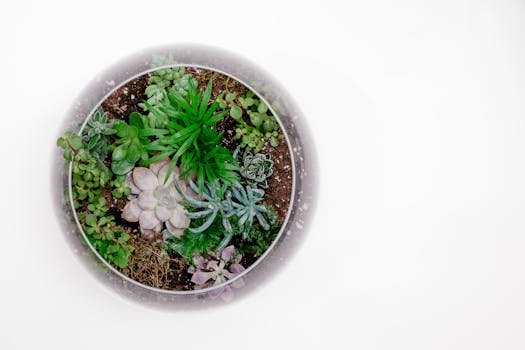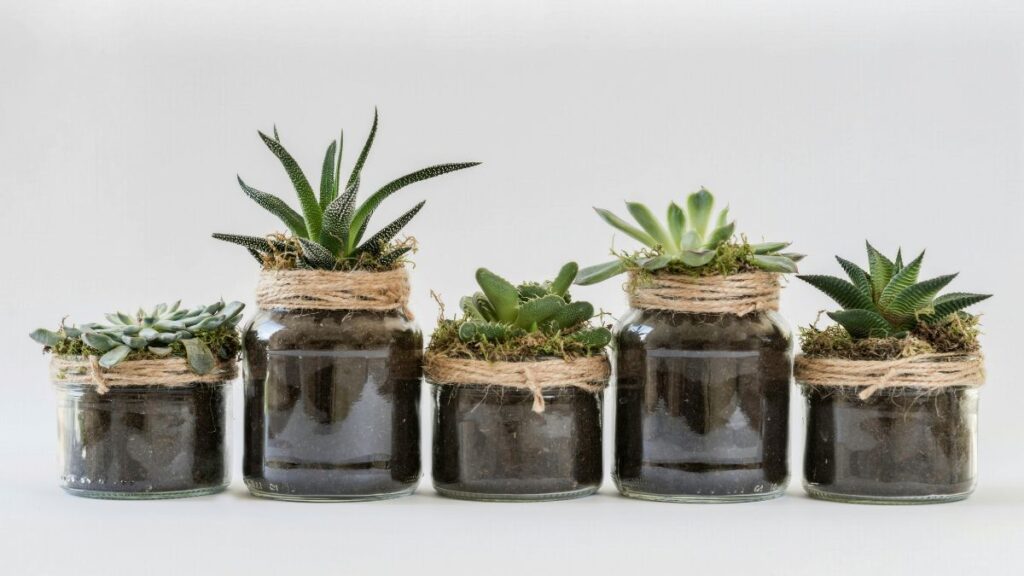
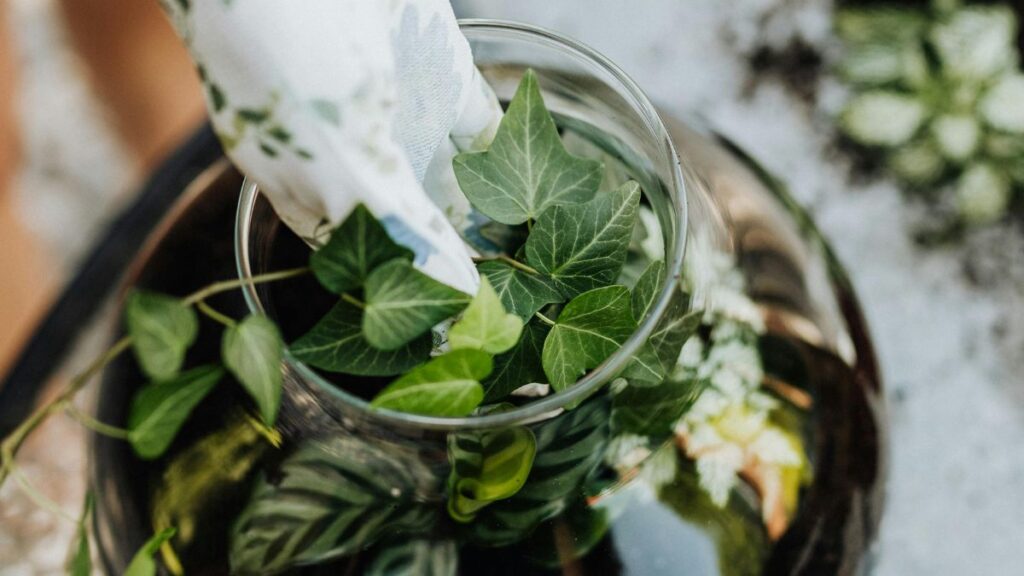
Think of a terrarium as a living diorama, where self sustaining plants quietly work together to create balance inside glass walls. Watching this ecosystem thrive adds a calming presence to any space and sparks curiosity about natural processes.
Micro terrarium ecosystems make plant care less intimidating, blending science and creativity. You get to choose hardy self sustaining plants and carefully arrange soil layers so that moisture and nutrients circulate efficiently, requiring little intervention over time.
For those who want a hands-on project with lasting rewards, building a thriving self-sustaining community in your terrarium is a practical way to learn about compatibility, plant care, and how mini worlds support life.
Design Principles for Continuous Growth and Harmony
Start by mapping out plant selection and layout to encourage self sustaining plants to share light, space, and water without competition. This ensures ongoing growth and limits the need for repairs or frequent reshuffling.
When you design for continuous growth, focus on root depth, foliage height, and water needs. Place mosses near rocks and ferns around edges to mimic natural groupings, which supports harmonious plant communities in miniature.
Choosing Compatible Plant Species for Your Micro Terrarium
Pick plants that naturally thrive together, like ferns, mosses, and tiny tropical species. For example, a mix of Selaginella, cushion moss, and dwarf fittonia supports healthy, layered growth above and below the soil.
If unsure, say, “Do these plants enjoy similar humidity? Will their leaves overshadow their neighbors?” Doing this upfront prevents shading and root overcrowding later, keeping your micro terrarium ecosystem thriving longer.
Review plant care tags and observation results every few months. Notice when one plant lags or crowds out another, and gently prune or rearrange to keep the self sustaining plant balance intact for months at a time.
Organizing the Soil Layer for Efficient Moisture and Root Distribution
Layering matters. Start with fine gravel or clay pebbles at the bottom so water drains freely. Add a layer of activated charcoal, which filters excess nutrients and odors, before topping off with nutrient-rich potting mix.
Compact roots create healthy feedback loops: moss anchors surface humidity, while ferns and small creepers support vertical moisture cycling. Scrape away dead matter as needed so roots can access nutrients without excess decay or mold.
In miniature ecosystems, experiment with soil depth: For example, a 2-inch base supports moss and ferns but prevents overcrowded root tangles, encouraging longer-term stability of your self sustaining plants in the habitat.
| Plant Type | Preferred Humidity | Light Requirement | Maintenance Tip |
|---|---|---|---|
| Moss | High | Indirect | Mist weekly; trim browned tips |
| Mini Ferns | Med-High | Filtered | Remove faded fronds; allow soil to partially dry between misting |
| Micro Fittonia | High | Bright indirect | Pinch for bushier growth; watch for drooping |
| Air Plants | Med | Scattered light | Soak monthly and shake off excess water |
| Cushion Moss | High | Low-Moderate | Keep base moist and check for mold buildup |
Arranging Plants to Balance Light and Minimize Overgrowth
Staggering your self sustaining plants by height ensures even lighting and keeps air circulation steady. Place taller ferns slightly off-center, with moss and tiny trailing vines around the perimeter for naturalistic variety.
Before planting, picture the terrarium from above: Will any leaves shade others, or trap too much moisture? By thinking like a landscape designer, you’ll achieve both healthy growth and appealing variety in your micro world.
Mini Checklist for Plant Arrangement Success
- Place mosses across the foreground for humidity and color variety; use tweezers for precision without disturbing roots.
- Cluster two or three similar self sustaining plants together to mimic nature and ease watering needs.
- Keep taller species in the back, set at slight angles to catch filtered light and maintain airflow for every plant.
- Add delicate trailers like Peperomia prostrata near rocks or soil edges for extra height and textural interest in your setup.
- Rotate the terrarium 90 degrees each week so light exposure stays even and plant growth looks balanced from every view.
Experiment with spacing and trimming: If you spot leaves drooping over edges, snip lightly—this action prevents rot and keeps every self sustaining plant healthy.
Preventing Overcrowding for a Long-Term Healthy Community
- Thin out plants by gently lifting out any overgrown moss patches so slow-growers can catch up.
- Pinch back runaway runners from mini ferns using your fingertips, which stops them from swamping the terrarium base.
- Observe root tips through the glass, and gently break up soil with a chopstick if you see circling roots starting to appear.
- Check every month for leaf overlap and prune away browning leaves to prevent mold or blockages in air flow.
- Add mini hardscape features—like pebbles or driftwood—between clusters to create natural boundaries for your micro plant populations.
Think of pruning as tuning a tiny orchestra—remove excess growth, but keep enough variety for the whole habitat to remain vibrant and robust.
Establishing Moisture and Airflow for Self Sustaining Plant Health
Dialing in even moisture and airflow helps your self sustaining plants avoid rot, pests, and rebound from minor stress. Think of it as managing indoor weather for your leafy residents—consistent, gentle conditions let each plant do its job effortlessly.
Monitor clouding on container walls. If you spot water droplets pooling for more than a day, crack the lid slightly for a few hours. Self sustaining plants thrive best with recurring, light mist cycles rather than soaking soil.
Practical Script for Moisture Correction
Use a squeeze bottle each Friday, directing the fine mist low on moss but keeping broader leaves drier. “When I see foggy corners, I air the lid for six hours and check back at dinner.” Stick with this weekly routine for consistent results.
Pick up your closed terrarium before watering. If it feels heavier than last time, skip and check again in two days. It’s a quick approach that mimics how experienced terrarium keepers track water cycles by touch.
If condensation appears overnight, open the top half an inch the next morning—then close after lunchtime. This simple adjustment resets humidity without letting outside dust or insects inside your micro terrarium ecosystem.
Encouraging Gentle Airflow in a Closed Environment
Position the terrarium somewhere it can catch gentle, indirect drafts—like near a window but away from direct sun. Self sustaining plants benefit when you occasionally swirl the air inside by waving your hand over the open lid for a few seconds.
Use a chopstick to prop the lid open one day each week, switching which edge is elevated. This rotates airflow, limiting mold risk and resetting temperature cycles so plants get a weekly refresh.
If you spot algae on soil or glass, wipe it away with a damp paper towel. Then, keep the lid open for half a day to lower excess humidity, breaking up any stale zones before returning the cover.
Fostering Natural Nutrient Cycles and Minimal Intervention
Creating a micro terrarium ecosystem where self sustaining plants recycle nutrients makes maintenance a breeze. Think of it like composting, but inside a contained glass world, with every piece playing a part—roots, stems, and even fallen leaves have a job.
Let leaf litter break down naturally on the soil surface. Earth-friendly decomposers, like springtails and isopods, help digest plant debris, converting it into usable nutrients that fuel the next growth cycle. No extra fertilizer required.
Realistic Scenario: Nutrient Cycling in Action
Suppose you spot a shrimp-like springtail scooting under the moss as you lift the lid. It’s quietly feeding on a decaying fern tip—a sign your ecosystem is self sustaining plants working in harmony.
Resist the urge to sweep up every last dead leaf. Instead, leave a few behind as a food source for microfauna. This keeps the soil alive, balances nutrients, and strengthens the community.
If you add new microfauna, sprinkle them with a clean paintbrush near rocks or damp crevices. Watch for a month: If debris vanishes faster and plant color deepens, your nutrient cycling system is robust and sustainable.
Example: Step-by-Step Minimal Intervention Checklist
- Top up water every two weeks only if the soil looks dry or leaves are limp. This method maintains stable moisture cycles and avoids accidental root rot.
- Add a pinch of leaf litter monthly, tucking it beneath moss patches. This supports decomposer populations that power a self-run nutrient loop.
- Spot-prune only browning or mushy leaves, leaving healthy growth intact to photosynthesize and keep the plant’s energy up.
- Rotate substrate every six months by gently stirring the top layer with a plant stake, which brings nutrients up and breaks down surface crust.
- Release beneficial microfauna—such as springtails—annually or anytime you reset the ecosystem for an extra boost of natural cleanup and balance.
Think of intervention as gentle steering, not forceful correction. The less you do, the more your self sustaining plants and their helpers learn to manage themselves.
Encouraging Biodiversity and Interactions Among Self Sustaining Plants
Diversity keeps your terrarium resilient and visually exciting. Mixing several types of self sustaining plants ensures that no single issue—like a pest outbreak or excessive leaf drop—can take over or disrupt the balance for long.
Group species with complementary growth habits; moss stays low and damp, while miniature orchids stretch upward yet occupy little footprint. Use layered plantings to foster structural diversity and friendly coexistence for years.
Adding Microfauna for Next-Level Ecosystem Stability
- Introduce springtails for mold and fungus control—simply dust them onto moist substrate.
- Add dwarf isopods to break down leaf litter, releasing nutrients for your self sustaining plants’ roots.
- Consider nematodes for controlling soil-borne pests naturally, without chemicals.
- Include one or two woodlice tucked under bark, encouraging active soil turnover.
- Regularly observe microfauna; healthy movement signals a thriving, self-cleaning terrarium community.
Biodiversity invites checks and balances. The result is a self sustaining plant world that quickly rebounds from disruptions or small mistakes, requiring less of your intervention over time.
Cultivating a Self Sufficient Plant Routine for Years of Enjoyment
To achieve long-term self sustaining plant success, stick with simple, periodic habits. Check and prune monthly, mist as needed, and add leaf litter or microfauna two or three times a year—the secret is steady, light-touch care.
Imagine tending a tiny garden just like you’d keep a fish tank—it’s not about fussing daily, but about watching for signals and nudging everything gently in the right direction. Over time, the ecosystem mostly looks after itself.
Mini Process Kit: Easy Routine Actions
- Glance over your terrarium while making coffee; look for cloudy glass or collapsed leaves—that’s your signal for a quick check.
- Use a toothpick to lift and check moss layer moisture once a week; refill if it feels dry, nothing more.
- Rotate or reposition twice a month for even sunlight exposure; simple but important for balanced self sustaining plants growth.
- Discard moldy patches with tweezers and top up with fresh moss to maintain clean, aesthetic surfaces for all viewers.
- Encourage friends to help for a day; sharing different eyes prevents blind spots and keeps the micro ecosystem fresh and stable.
Consistency wins out—less is more, as your micro terrarium ecosystem matures into an always-lively display of self sustaining plants working together.
Frequently Asked Questions
How do I select the right self sustaining plants for my terrarium?
Select slow-growing species that thrive in similar humidity and light. Mosses, ferns, and mini orchids are reliable choices. Mixing plants with matched needs keeps the community balanced and durable.
What’s the difference between open and closed micro terrarium ecosystems?
Open systems allow for more airflow but require regular misting, while closed terrariums create steady humidity. Self sustaining plants like moss and ferns excel in closed types, needing less frequent watering.
How can I limit mold or algae buildup naturally?
Introduce springtails or isopods. These tiny decomposers break down leaf litter and eat mold. Also, air the lid once a week and remove browned leaves before they rot.
Do I need fertilizer in a self sustaining plant terrarium?
No. Decomposers and decaying plant matter typically provide all needed nutrients. If you notice slow growth, check soil health or add microfauna, but avoid chemical fertilizers that could upset balance.
How often should I prune and refresh my self sustaining plants?
Check for overgrowth or brown tips monthly. Trim back excess leaves and rearrange if one species starts taking over. Occasional light pruning extends longevity and keeps the ecosystem neat.