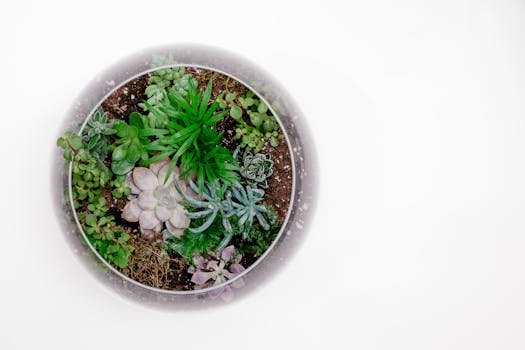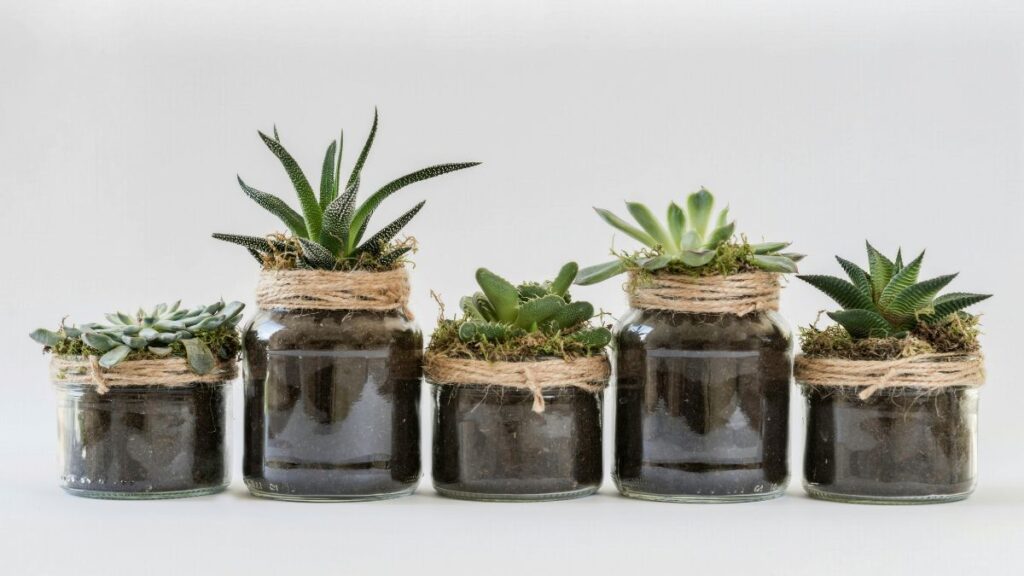
Bringing a little color into micro terrarium ecosystems is like adding sprinkles to a cake—those tiny additions of miniature flowering plants can transform a glass container into a vibrant living scene. These blooms aren’t just lovely; they help establish a sense of seasonality in a world measured in inches.
Incorporating flowering plants into terrariums matters for more than just their beauty. Their presence creates focal points, guides your eye, and connects you with nature’s cycles, even on your windowsill or desk. Suddenly, your green space becomes a dynamic system with micro-habitats and changing colors.
If you’re curious to see which flowering plants work best in micro terrarium ecosystems and want advice you can use right away, this article breaks everything into practical tips, steps, and visual comparisons to help your terrarium flourish with color.
Choosing the Right Flowering Plants for Micro Terrariums Brings Reliable Results
Starting with suitable flowering plants ensures your micro terrarium ecosystem remains healthy, vibrant, and easy to maintain for months at a time. With the right selection, you set up consistent success.
It’s important to pick plants based on their mature size, growth habit, and bloom duration. Not every miniature flower will adapt to the constant humidity, close quarters, and indirect light most terrariums provide.
Focus on Adaptable Species with Compact Habits
Selecting adaptable flowering plants makes upkeep more straightforward. Look for species that naturally thrive in low-light, high-humidity environments and stay under 4 inches tall, like African violets or miniature orchids.
Adaptable plants settle in quickly and won’t overrun other specimens. When you add one, say, “This viola will stay small—let’s try this in the front section and see how it plays with the ferns.”
Stick to compact, slow-growing options and be ready to prune off spent blooms or leaves if the plant starts to sprawl. This way, everything stays tidy and enjoyable to view up close.
Balance Color, Form, and Texture for Visual Interest
Mixing flowering plants isn’t just about color—contrast their leaf shape, bloom style, and growth pattern. Imagine pairing Lobelia’s airy blue blooms with the dark-green, fuzzy leaves of a micro Episcia.
When you scheme your layout, say, “I’ll place this red-flowering Justicia at the back for height, and these creeping Mazus reptans at the sides to fill gaps.” Layering these elements ensures the arrangement feels balanced and not cluttered.
Rotate your terrarium occasionally to catch how light and shadow fall on each bloom and foliage combination, revealing new personalities over time.
| Plant Name | Max Height | Bloom Color(s) | Best Terrarium Position | Key Takeaway |
|---|---|---|---|---|
| African Violet ‘Tiny Wood Trail’ | 3 inches | Lavender, pink | Center or feature spot | Compact, blooms year-round indoors |
| Miniature Orchid (Pleurothallis grobyi) | 2 inches | White, yellow | Midground | Likes hidden, shaded spaces |
| Lobelia erinus ‘Compact Blue’ | 2.5 inches | Blue-purple | Edges | Spills gently, vibrant color contrast |
| Mazus reptans | 2 inches | Purple, white | Foreground or between stones | Creeps to fill gaps, dense blooms |
| Selaginella kraussiana (flowering form) | 1.5 inches | Tiny white (noted for texture) | Carpet layer | Texture-first, but occasional blooms surprise |
Strategic Plant Placement Ensures Healthy Growth and Lasting Color
Positioning flowering plants correctly inside your micro terrarium ecosystem is the key difference between healthy blooms and wasted effort. Arranging them by light needs and airflow improves every plant’s display and lifespan.
A good rule is to place the tallest flowering plants slightly off-center, with creepers or groundcovers closer to the edges. This opens up sightlines and prevents overcrowding at the glass.
Grouping for Microclimate Control
Cluster similar humidity-loving flowering plants together. For example, put Episcia and Streptocarpus on the moist side and more drought-tolerant mini Sinningia apart. “This area always gets foggy by noon, so I’ll settle my Begonia here,” you might decide, tailoring placement to daily rhythms.
- Group humidity lovers near the misting zone. This meets their needs and avoids browning leaf edges.
- Anchor taller flowering plants away from glass. This prevents condensation spotting or burns from magnified sun rays.
- Weave trailing species through hardscape. This gives flowering plants naturalistic ground to follow and shows off their blooms.
- Place new additions in an accessible area. You’ll want to monitor how a plant settles before giving it a permanent home.
- Rotate pots a quarter turn monthly. This keeps all sides evenly developed and prevents a lopsided display.
After you set things up, observe every few days. Spot problems—like yellowed leaves or fading blooms—and move plants as needed to encourage recovery.
Lighting Tricks for Even Flowering
Bright, indirect light works wonders with flowering plants. Use a desktop LED grow lamp angled across the terrarium from above, mimicking window-filtered daylight. A client once taped a reading lamp above his tank, then watched his violet bloom for the first time.
- Tilt lamps to one side for subtle “sunrise to sunset” effect. This persuades flowering plants to lean and open blooms naturally, avoiding leggy stems.
- Keep the canopy low—not overgrown—so that filtered light reaches down to creepers and low favorites. This stops mold or mildew from gathering in dark corners.
- Dust or gently clean glass panes every week. Keep those micro sunbeams bright for clearer color, sharper textures, and stronger plant health.
- Test the lamp’s temperature by hand—a warm but not hot feel means your flowering plants aren’t at risk for sunscald.
- Use timers to enforce a consistent day–night cycle. This maintains healthy flowering for violets, begonias, and more, with blooms that emerge right on cue.
Fine-tune your lighting setup and you’ll notice not just more blossoms, but deeper color saturation and stronger stems on your favorite flowering plants.
Combining Mosses and Flowering Plants for Ultimate Micro-Landscapes
Blending moss and flowering plants transforms a basic micro terrarium ecosystem into a lush, layered miniature scene. This pairing weaves soft greens with bright color bursts for ongoing visual intrigue.
Think of the moss as a plush rug and your flowering plants as delicate sculptures placed on top. This contrast creates a balanced, naturalistic look mimicking woodland floors or riverbanks.
Layering for Dimensional Interest
Use moss as your first layer, pressing it gently to shape hills and valleys. Tuck miniature flowering plants like Mazus or baby sinningias between mossy mounds for surprise color that peeks through the greenery.
With each step, pause to view your scene from all angles. “This begonia leaf pops next to the moss—let’s nestle a blue Lobelia here, where the texture shifts,” is the way you’d approach each addition.
Water sparingly. Moss and flowering plants need humidity but not standing water, or you risk root rot and faded blooms.
Maintaining Harmony Between Growth Rates
Choose mosses and flowering plants with similar watering habits. Cushion moss fits well with low-growing violets. Avoid pairing a fast-growing moss with a slow bloomer, or you’ll soon struggle with crowding or hidden flowers.
Trim moss edges every three weeks to keep boundaries sharp. If a flower stem droops, brace it with a small pebble or nudge it with tweezers—think of yourself as an interior decorator for your terrarium.
When you see moss creeping up over a flower, redirect that growth path with a dental pick. Small actions maintain the harmony that keeps both moss and blooms looking their best.
Keeping Flowering Plants Thriving Year-Round in Micro Terrarium Ecosystems
Consistent monitoring lets flowering plants thrive predictably, bringing steady pops of color throughout the seasons. Checking moisture, leaves, and root health every week keeps surprises to a minimum.
Use care routines that match species: water only when the top substrate feels dry to the touch, mist lightly for humidity, and prune each time a stem or bloom browns. Small, steady actions mean fewer problems and continuous cheer.
Seasonal Adjustments for Reliable Flowering
During winter, keep terrariums away from drafty windows or heat vents. Supplemental light helps—switch to longer hours if day length drops below 10 hours. For summer, moderate direct sun exposure prevents overheating and sunburned leaves.
Dial back watering in cooler months as growth slows. In spring, watch for new shoots and gently fertilize flowering plants with half-strength liquid plant food, never allowing liquid to pool near roots.
Sticking to seasonal habits lets your micro terrarium ecosystem feel stable, maintaining steady flowering cycles and healthy, resilient plants all year long.
Mini Checklist: Troubleshooting Flowering Plant Issues Before They Spread
Clear routines keep your micro terrarium blooming. Use this checklist to catch problems before they take off: sticky leaves, browning tips, or persistent mold mean it’s time to adjust your care.
- Check for pests weekly by tipping the terrarium and scanning leaf undersides—spot bugs early and quarantine affected flowering plants.
- Remove spent blooms right away. This prevents rot and frees up resources for new growth—snip carefully with sanitized scissors.
- Balance watering: soggy soil means hold off for a few days, while droopy leaves might signal a gentle mist is in order.
- Watch for yellowing or wilting. If so, relocate plants that aren’t receiving enough light or that need better airflow.
- Reset boundaries any time moss or aggressive neighbors encroach on flowering plants. Use tweezers for precision and comfort.
Run through these checks quickly each week. It only takes a few minutes and saves you from big disappointments or complicated rescues down the road.
Expanding Your Collection: Sourcing Tiny Flowering Plants for Micro Terrariums
Finding the right flowering plants to suit your vision starts with knowing exactly what to ask for. Local garden centers or online specialty dealers typically carry miniature varieties ideal for micro terrarium ecosystems.
Request specific cultivars by name to avoid picking up large or unsuitable species. A good phrase: “I’m looking for micro-flowering violets or moss-friendly Lobelia under 3 inches, please.”
Specialized Vendors and Rare Finds
Seek out nurseries that specialize in miniature orchids or terrarium plants. These vendors grow stock in high-humidity environments, making transition into your terrarium much easier for fragile flowering plants.
Joining plant swaps or micro-garden forums lets you ask about people’s favorites, get care-tested varieties, and sometimes even swap for healthy divisions or rare cuttings that aren’t sold in stores.
Don’t be afraid to try less common selections, either. Sometimes a tiny-leafed begonia or an unexpected flowering moss can become your terrarium’s surprise star.
Recap and Fresh Inspiration for Colorful Micro Terrariums
Miniature flowering plants are the heartbeat of a lively micro terrarium ecosystem, creating dazzling scenes that shift and evolve with each tiny bloom. Their gentle presence transforms glass worlds into engaging daily escapes.
By picking adaptable species, balancing textures, and maintaining smart routines, you’ll keep your micro terrarium healthy and packed with interest year-round. Every decision—from lighting to watering—feeds the ecosystem’s long-term vibrancy.
Lean into experimentation and enjoy the slow art of cultivating flowering plants in miniature. Each addition or adjustment brings fresh color and personality, inviting you to notice and appreciate even the smallest moments of growth.
Frequently Asked Questions
Can I use any flowering plant in a micro terrarium ecosystem?
Not every flowering plant will succeed. Seek out varieties that thrive in high humidity and stay compact, like African violets or micro-orchids. Always verify their growth habits before adding them inside your terrarium to avoid overgrowth or stress.
How do I prevent flowering plants from outgrowing my terrarium?
Pick slow-growing, small varieties and prune regularly to maintain shape. If a plant gets too tall or wide, gently trim it back using narrow scissors. Monitoring weekly helps prevent any crowding that could overshadow smaller neighbors or block light.
What is the ideal soil mix for tiny flowering plants in terrariums?
A lightweight, airy substrate containing fine orchid bark, perlite, and a bit of potting soil suits most tiny flowering plants. Avoid dense, moisture-retentive mixes that cause root rot. Place a thin layer of sphagnum moss atop for extra humidity retention and root protection.
Why are my flowering plants dropping blooms shortly after opening?
Sudden bloom drop usually signals lower humidity, overwatering, or a dramatic temperature change. Double-check the terrarium lid, mist gently for moisture, and confirm that lighting and airflow remain consistent with what your flowering plants prefer.
Are there flowering plants safe for use with small terrarium pets?
Stick to non-toxic species such as violets, Mazus, or mosses if sharing space with snails or springtails. Avoid anything with milky sap or unknown toxicity. Research individual species before adding them to shared habitats to prevent harm.