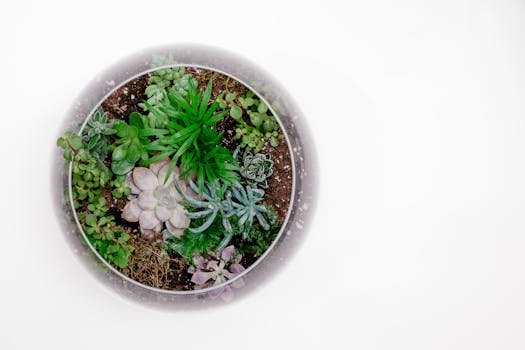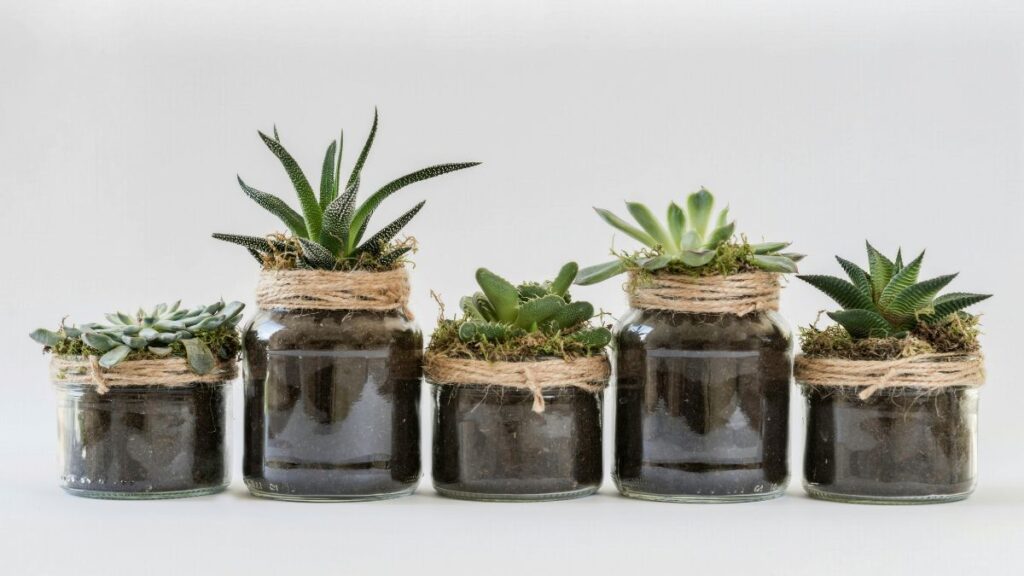
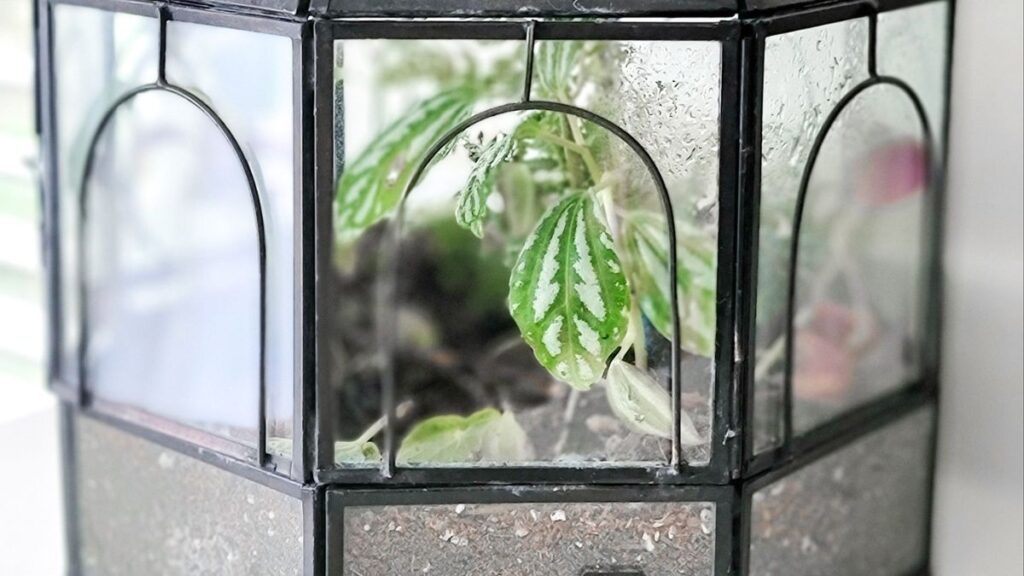
Picture a vertical garden that fits on your desk, with emerald leaves floating above the soil—micro terrarium ecosystems using epiphytic plants create that enchanting effect. Anyone looking for something beyond the standard leafy terrarium can experiment with these captivating species, turning glass walls into living art.
Epiphytic plants naturally grow on trees and rocks, drawing moisture from air and rain. Their biology makes them perfect for micro terrarium ecosystems, where airflow and creative placement matter. They transform vertical spaces, allowing hobbyists to layer plants up the sides and across hardscapes.
With their unusual structure, epiphytes inspire a shift in how terrarium designers plan displays. This article is your step-by-step companion for harnessing epiphytic plants and unlocking new design possibilities within small glass worlds. Let’s create something stunning together.
Choosing the Best Epiphytes for Small Standing Terrariums
By selecting the right epiphytic plants, you’ll increase survival rates and achieve natural-looking elevation in your vertical terrarium. Consider species adapted to lower humidity if your container has more airflow or open sides.
An example: air plants (Tillandsia) thrive without soil, letting you attach them to bark pieces for an instantly whimsical effect. A hobbyist might say, “This air plant stays up here, free from wet soil.”
Comparing Root Structures and Water Needs
Epiphytic orchids commonly have thick aerial roots, soaking up mist and nutrients. Place their roots near glass or moss for regular hydration without submerging them in wet substrate.
Fern species like Platycerium (staghorn fern) anchor themselves by clumping roots to cork or wood. They appreciate higher humidity—mist often and shield roots from direct watering with a sprayer.
Tillandsia, known for scalelike trichomes, absorb water fastest from light misting and don’t require any soil. Tuck them in grooves or on branches for simple maintenance and dramatic height.
Assessing Light Preferences for Epiphytes
Some epiphytic plants, such as micro orchids, need dappled light similar to their forest homes. Set these near filtered light sources or under sheer curtains for soft, steady growth.
Others, like certain bromeliads, will tolerate brighter indirect sunlight. Anchor these plants near the upper reaches of your terrarium, tilting their rosettes toward the light.
For shade-loving options, choose small elkhorn ferns and mount them closer to the terrarium floor, mimicking the understory layer of a natural forest.
| Plant | Root Type | Light Needs | What to Try First |
|---|---|---|---|
| Tillandsia (Air Plant) | No roots for water uptake | Bright indirect | Tuck on driftwood or rock, mist twice weekly |
| Mini Phalaenopsis Orchid | Aerial roots | Dappled light | Attach to cork bark, increase humidity |
| Staghorn Fern | Clumping roots | Low to moderate | Mount on wood, mist regularly |
| Ficus pumila ‘Quercifolia’ | Fine clinging roots | Moderate | Let creep up terrarium sides |
| Mosses (e.g., Leucobryum) | Rhizoids | Low | Adhere to moist surfaces, keep shaded |
Mounting and Display Techniques to Elevate Epiphytic Design
By mounting epiphytic plants instead of planting them, you reveal more of their unique root systems and natural shapes. These methods boost verticality and invite creative, layered displays inside your terrarium walls.
Begin by cleaning the wood or rock you’ll use as a mounting base. Use fishing line or soft twine to secure the roots gently, making sure you don’t crush tender growth. This ensures longevity and minimal transplant shock.
Securing Plants for Maximum Visibility
Loop string or wire loosely around roots, then anchor to the mounting material. Place the bundle high in your micro terrarium, away from soggy substrate, for a balanced, elevated look.
- Attach air plants with washable adhesive on glass or rock for easy removal during cleaning while keeping the display neat and modern.
- Wrap sphagnum moss around delicate orchid roots before mounting to prevent dehydration, especially in dry indoor air conditions or open containers.
- Position ferns with base slightly off the branch to allow airflow beneath. This prevents root rot yet mimics their canopy-growing habit for a lively, realistic feature.
- Tie trailing vines above their growing tip, letting them cascade down like forest epiphytes. This builds depth, mimicking how vines find light in crowded woods.
- For a framed effect, group three small species on driftwood and set it diagonally. This looks intentional and makes watering and trimming easier in tight spaces.
Rotate mounted epiphytes every few weeks, especially those on glass cloches, to ensure even light exposure and stimulate balanced, healthy leaf growth from all angles.
Care Steps After Mounting Epiphytes
Mist mounted epiphytic plants several times a week using distilled or rainwater, not tap water, to avoid mineral buildup on leaves or mounting materials. This keeps foliage healthy and free from unsightly spots.
- Check that all ties remain loose as the roots expand. Tight ties restrict growth and harm the plant over months. Adjust whenever new roots emerge.
- Monitor moisture by feeling moss or wood with your finger. Only re-mist once surfaces start to dry, preventing waterlogging or mold between daily care sessions.
- Clean glass walls behind mounted plants with a damp microfiber cloth, ensuring no algae or calcium buildup interferes with viewing the roots and foliage clearly.
- If you spot brown root tips after a dry week, reduce airflow or boost humidity by misting the air itself lightly inside the terrarium morning and evening.
- Record the position and appearance of each mounted epiphyte every month. Pictures or a sketch help you track changes and tweak display or care for each plant.
Every two months, gently untie roots to check for rot or infection. Remove any mushy or blackened material and replace ties for another cycle of healthy growth and vertical display.
Integrating Epiphytes for Multi-Layered Micro Terrarium Ecosystems
Layering epiphytic plants lets you mimic natural forest canopies inside your micro terrarium, creating depth and a sense of wild abundance. Aim for at least three levels: low — mid— and upper-story plantings for the most visual interest.
Placing Epiphytes at Varying Heights
Arrange mosses at the base to capture humidity and anchor aerial roots. Position Tillandsia and miniature orchids midway, fixing them to cork or driftwood pieces that bridge the central terrarium space.
Cluster staghorn ferns or climbing vines higher up the glass, securing their mountings lightly. This forms a green canopy, drawing the viewer’s eye upward and revealing more detail to explore daily.
Finish with accent rocks under trailing vines or behind orchids, hiding mounting wires while evoking a natural boulder-strewn forest floor, and giving each species its own slice of the vertical landscape.
Combining Epiphytes With Ground-Level Microfauna
Include springtails or isopods as tiny cleaners in the substrate. Epiphytic plants benefit as these creatures break down waste, recycling nutrients and maintaining microclimate stability throughout the ecosystem.
Install a thin mesh barrier between the soil and elevated mounts to prevent animals from dislodging roots or toppling delicate air plants while they forage.
Maintain a light spraying schedule so humidity-loving microfauna thrive together with epiphytes. This fosters a live, interactive terrarium ecosystem that supports both botanical and animal residents in harmony.
Showcasing an Epiphytic Oasis With Creative Materials and Layouts
To design a standout micro terrarium, pick affordable yet visually rich mountings and accents that highlight each epiphytic plant. Mixing woods, rocks, and textured moss gives contrast while echoing wild forest diversity at a small scale.
Slip a piece of driftwood diagonally so its end touches the glass, then secure two miniature ferns near its elbows. This draws the eye upward and offers climbing space for trailing plants and companion mosses below.
Using Glass and Hardscape for Floating Effects
Stick a clear suction hook or adhesive disc on your terrarium wall to suspend airy Tillandsia species where they seem to float over the landscape. This trick creates negative space while maximizing available light.
Glue flat pieces of slate or river rock to container corners. Mount staghorn or elkhorn ferns at angles that hint at wind-blown growth, making your terrarium dynamic and compelling.
Lay sheet moss across any visible mounting wires or twine, blending them into the background and strengthening the illusion of natural root attachment to a living branch or stone.
Mixing Natural Accents With Epiphyte Displays
Add tiny “log rounds” sliced from grapevine or birch to mimic fallen forest debris. Nestle small orchids or air plants among these rounds for a charming, instantly established look.
Incorporate small shells, seed pods, or stones beside mounted ferns and vines so every viewpoint reveals a story about wild habitats, adapted for compact glass vessels.
Place a ceramic animal figurine or faux bird beside an elevated epiphyte. This small, playful anchor humanizes the scene—think of it as giving your tiny oasis a friendly mascot.
Encouraging Healthy Growth Cycles in Epiphytic Micro Terrariums
Establish a routine that gives every epiphytic plant the humidity, air movement, and nutrition it needs. This ensures continued leaf, root, and flower growth, so your vertical micro landscape remains lush and vibrant all year long.
If your terrarium stays closed most of the time, open it weekly to refresh air. This keeps fungal issues in check, as most epiphytes dislike stale, stagnant conditions.
Optimizing Feeding and Watering for Epiphytes
Feed mounted orchids or ferns every other month with a diluted, balanced liquid fertilizer (1/8 strength). Spray the leaves and roots directly to provide nutrients without oversaturating the mounting material.
Target air plants by misting twice per week with filtered water. If their tips fade to gray, dunk them briefly every two weeks, then dry upside down so no water pools in rosettes—a must to avoid rot.
Observe color, leaf sheen, and new root growth. If expansion stalls or lower leaves yellow, tweak misting and feeding. Adapt your schedule until each species delivers healthy color and upright leaves for months on end.
Managing Light Cycles and Airflow
Set your micro terrarium near a north-facing window or under a daylight-spectrum LED to ensure every epiphyte gets at least eight hours of diffuse light a day. Rotate the container for even sun exposure and upright growth patterns.
On warm days, crack the lid for half an hour to increase airflow and help dry the mounting surfaces. Watch for condensation; heavy fog means you can reduce humidity until glass clears again.
For ferns and mosses, maintain lower light at the base and gentle air circulation through the entire terrarium. Gentle oscillating fans outside the container help air diffuse without disrupting microclimate stability.
A Fresh Perspective on Micro Ecosystem Design
Epiphytic plants open a vibrant world of vertical possibilities in micro terrariums. They let designers bypass soil, play with suspension, and mimic the layered look of rainforest canopies—all inside crystal-clear glass.
Use their adaptability to create elevating displays that blend substrate and vertical features, inspiring awe and closer observation with every new shoot or flower. The results are equal parts education, art, and living science experiment.
Bring epiphytes into your next miniature project. Each root, leaf, and shoot you mount unlocks an ecological microcosm—proof that boundary-pushing displays don’t require massive gardens, just creativity, patience, and a few choice glass vessels.
Frequently Asked Questions
Which epiphytic plants are best for beginners in micro terrarium ecosystems?
Try air plants (Tillandsia), staghorn ferns, and creeping Ficus pumila ‘Quercifolia’ first. They’re tolerant of a range of humidity and light, can be mounted many ways, and rebound nicely from missed mistings or air exchanges.
How often should I mist epiphytic plants in a closed terrarium?
Start with two to three light mistings per week using distilled or rainwater. Adjust based on visible dryness or condensation. Monitor root bases and mounting surfaces closely to prevent rot and overwatering, especially for orchids and ferns.
What’s the easiest way to mount small epiphytic plants?
Wrap roots in damp sphagnum moss, secure gently with string to driftwood or bark, and position upright. For air plants, use a dab of washable craft glue on clean glass or stone. Always ensure air movement around roots.
Can epiphytic plants grow in low-light rooms?
Yes, but select species accordingly. Miniature ferns, mosses, and some compact philodendrons adapt best. Supplement with LED grow lights and keep glass clean for maximum light transmission, rotating the container to prevent uneven growth.
Do epiphytes need fertilizer in micro terrariums?
Periodic fertilizing helps. Use a very diluted liquid fertilizer and mist directly onto leaves and roots every two months in the growing season. Avoid overfeeding, which can burn delicate tissue or leave unsightly residue on mounting materials.