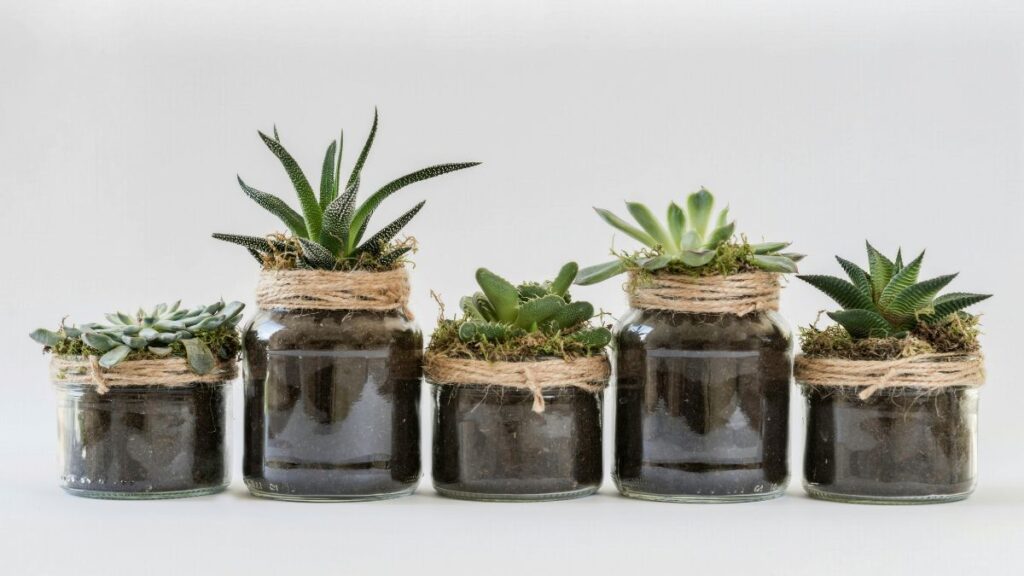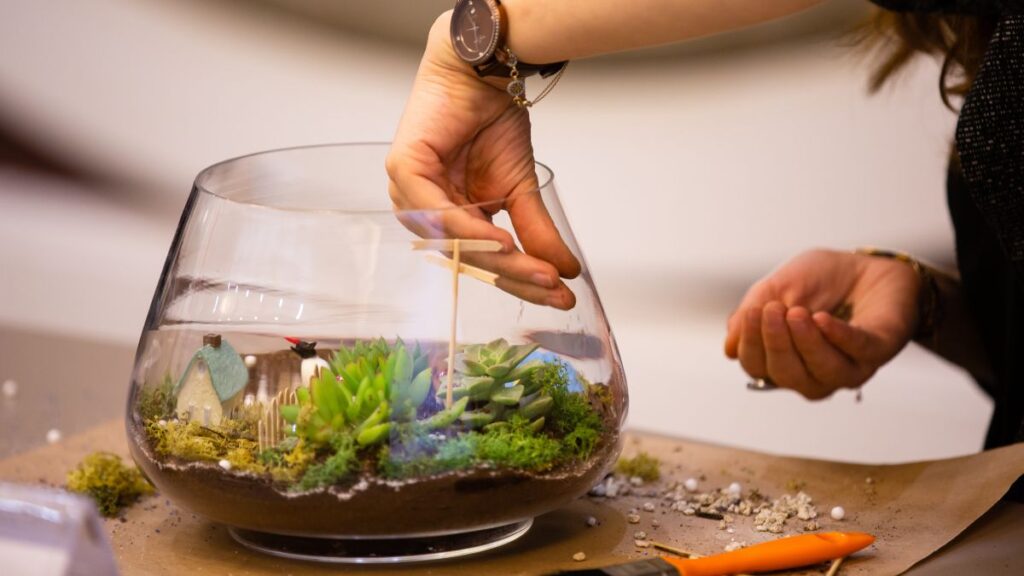
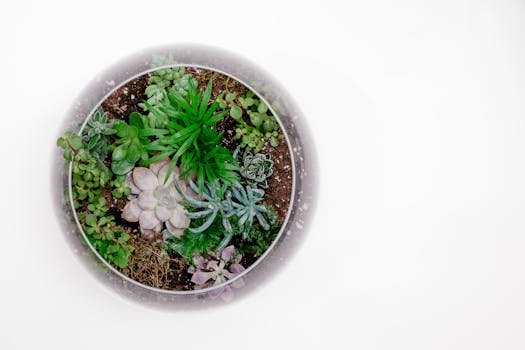
Few things capture the wonder of nature like a thriving micro terrarium. Spotting signs of plant growth in these tiny worlds is as rewarding as tending a full garden, and each detail reflects your care.
Understanding what healthy plant growth looks like in a micro terrarium means you can nurture each species to its best and quickly spot issues before they become trouble. Even the smallest ecosystem benefits from careful observation.
Explore the practical signs and small cues that indicate healthy, ongoing plant growth within your micro terrarium. Let’s dive into expert tips and checklists so you can see and enjoy the results every day.
Spotting Vibrant Foliage and Consistent Leaf Health
You’ll spot early indications of thriving plant growth by inspecting foliage color and texture. Fresh leaves, rich in their signature greens or reds, signal stability and well-balanced conditions in your micro terrarium.
Consistent leaf texture, clear of spots or curling, highlights balanced humidity and proper airflow. By checking new and mature leaves, you can act quickly if changes appear from fungi or stress.
Assessing Color Shifts in Micro Spaces
Vivid, saturated colors are your first visible proof of robust plant growth. If leaves maintain deep greens or natural hues, the plant is adapting well to its closed environment.
If dull greens or faded variegation develop, it often points to low nutrients or too much indirect light. Adjusting placement or refreshing soil can restore vibrant color.
Incorporate weekly leaf inspections, jotting notes on hue changes. Over time, these records reveal subtle growth trends, giving you an early alert to address shifting conditions.
Monitoring Consistency in Leaf Texture
Proper leaf texture resembles slightly plump, pliable leaves that bounce back from a gentle press. Wilted or mushy leaves could signal excess moisture or root issues.
High humidity can sometimes cause see-through or limp leaves. Placing a fan nearby or cracking the terrarium lid for a brief interval may restore balance.
Healthy plant growth is supported when leaves remain evenly firm, showing no sign of puckering or spots—especially across newer shoots and older growth alike.
| Sign of Health | What to Look For | What It Means | What to Do |
|---|---|---|---|
| Vivid Green Color | Uniform, deep green leaves | Good nutrition, ideal light | Continue current care routine |
| Firm Texture | Leaves snap back | Water/moisture balance is right | Maintain humidity as is |
| No Leaf Spots | No brown/yellow marks | No disease present | Observe and remove debris |
| Even Growth | Similar new and old leaves | Environment is stable | Stay consistent with care |
| Glossy Sheen | Subtle shine under light | Cells are hydrated | Check and clean glass weekly |
Observing New Shoots, Buds, and Root Progression
You’ll confirm improvement and sustainable plant growth by routinely checking for new shoots, healthy bud development, and root systems that expand in the substrate’s upper layers. This keeps your ecosystem dynamic and balanced.
The appearance of tiny shoots and roots are encouraging markers. Early attention means you can space out crowded seedlings, pinching or trimming if any outpaces its neighbors or risks overcrowding in the micro terrarium.
New Leaf Signs in Small-Scale Ecosystems
Seeing clustered, small, pointed green nubs along stems is a sign the plant is allocating resources for ongoing plant growth. These tiny leaves mature into the broader foliage canopy.
- Pinch back a single large shoot if smaller ones stall, so other healthy plant sections can catch up and fill space evenly.
- Use a wooden skewer to gently part moss or ground covers and reveal new leaf centers—regular small checks help prevent crowding and overlapping leaves.
- If you notice pale or misshapen new growth, test mulch layer depth and check moisture. Healthy plant growth shows crisp, evenly colored new leaves that hold their shape.
- Always document each new sprout with a quick log entry. Written notes help you compare progress across weeks, especially when plant growth slows or speeds up.
- Remove faded or translucent emerging leaves. Clear out weaker sprouts so resources go to the strongest candidates, encouraging sturdier, more resilient plant growth in tight terrarium quarters.
Each new sprout signals balance in humidity, light, and nutrients, so nurture these moments of change to preserve terrarium stability and visual interest throughout the season.
Root Expansion Check-In
Strong, fuzzy white roots moving along the glass or substrate surface prove your plant growth is healthy from the ground up. Roots shifting toward the edge show vigorous exploration and solid anchoring.
- Lift decorative stones every month to look for web-like roots weaving through moss. If roots circle or press the glass, it’s time to thin or repot for even plant growth.
- Healthy roots feel firm, not brittle. Mushy or brown roots signal overwatering or stagnant air; crack the lid briefly or swap a handful of soil to restore balance.
- Document root progress in photos. Seeing root expansion helps you predict when to add nutrients so healthy plant growth isn’t limited by depleted substrate.
- Clip any mushy, brown root ends. Use tweezers to pull decayed roots before mold takes hold, maintaining clear, healthy plant growth zones below the surface.
- If you spot root tips curling upward, it means roots seek air. Lightly loosen topsoil so roots can settle down and ensure even, steady plant growth within the terrarium.
Root cues in tight spaces tell you exactly when to act for long-term stability and maximum plant growth, keeping terrarium roots both tidy and productive.
Tracking Leaf Size Changes and Stem Elongation Patterns
Monitoring leaf size and stem length lets you calibrate the compact micro terrarium ecosystem for lasting health and stylish visual impact. Subtle changes often indicate plant growth rate or lighting needs shifting.
Balanced plant growth is reflected by steadily increasing leaf size and stems that rise without leaning or twisting, showing clear adaptation to microclimate constraints and balanced resource allocation.
Adjusting Maintenance for Uniform Leaf Growth
Wide, flat leaves mean your humidity and light combo is working, while tiny or cupped leaves point to possible stress from crowding or light deficiency.
If a particular plant forms much larger leaves suddenly, watch for runner shoots or roots that may soon need trimming. Such bursts of plant growth call for careful reshaping to avoid overcrowding.
Between watering sessions, take a ruler to measure new leaves each month. Early action ensures healthy plant growth and prevents uneven, top-heavy clusters that can weaken delicate micro terrarium structures.
Keeping Stem Elongation Balanced
Stems that remain thick and short result from adequate overhead light. Long, spindly stems usually reach toward the light and suggest another adjustment is needed.
Rotate the terrarium a quarter turn each week for symmetrical plant growth. Balanced stem growth preserves both structure and aesthetics while discouraging crowding.
Trim elongated stems back to two nodes above the soil to reset growth. Repeat this each season to encourage the most compact and healthy plant growth within your terrarium space.
Recognizing Proper Humidity and Moisture Balance
Reading the signs of moisture in closed micro terrariums will guarantee your ecosystem remains vibrant and fungus-free while supporting steady plant growth.
Ideal humidity and soil moisture are reflected in the clarity of the glass walls, slight condensation patterns, and root depth—without signs of mold or wilting.
Balancing Condensation Cues
Light morning condensation, clearing by afternoon, means the humidity cycle matches healthy transpiration and normal plant growth. This cycle prevents both fungal outbreaks and excessive dryness.
If thick fog persists, remove the lid for 30 minutes. This keeps the air moving and rebalances humidity, which is essential for continued healthy plant growth in micro spaces.
Condensation lines that rise higher than usual suggest root or substrate oversaturation. Address this quickly with a dry tissue or by adding moss to absorb excess and keep plant growth on track.
| Moisture Indicator | What to See | Likely Cause | Action Needed |
|---|---|---|---|
| Scattered Droplets | Light mist | Healthy daily cycle | Maintain status quo |
| Foggy Walls | Pooled water below | Excess water | Vent lid, blot surplus moisture |
| No Condensation | Dull or dry leaves | Low humidity | Mist lightly with spray bottle |
| Water Rings | Stains around glass | Uneven evaporation | Level substrate, clean glass |
| Mold Growth | White fuzz | Stagnant moisture | Increase airflow, remove affected material |
Ensuring Proper Light Distribution for Even Plant Growth
Keeping light balanced ensures every plant section receives just enough energy without overheating or losing color vibrancy. Strategic placement and checking shadow patterns keep micro terrarium plant growth steady.
Direct sunlight is rarely required. Instead, filtered light from a north-facing window or indirect LED sources foster compact, healthy plant growth without stress. Rotate frequently for best symmetry.
- Position terrarium away from harsh afternoon sun to prevent leaf burn, which causes yellow spots and fried edges rather than healthy plant growth.
- Shift terrarium one inch closer to a soft light source each week. Subtle increases let leaves adapt, keeping plant growth steady and coloration true.
- Place terrariums on rotating trays for easy movement. A weekly turn ensures no side shades out, leading to even plant growth and fuller visual appeal.
- Install a sheer curtain if you notice bleached patches. Diffusing the light builds a more gentle transition, supporting delicate foliage and stable plant growth through seasonal shifts.
- Try LED grow strips set at a timer for 10–12 hours daily. Gentle, consistent exposure simulates natural cycles, driving compact plant growth ideal for micro spaces.
Keeping Miniature Plant Communities Disease and Pest-Free
Careful monitoring of leaves, roots, and soil each week helps you keep pests and disease from taking hold. Healthy plant growth means leaves stay unblemished and pest numbers remain minimal.
When trouble appears, act fast—isolating sections if necessary. In a micro terrarium, any disease spreads quickly, but clean tools and prompt pruning preserve the ecosystem and robust plant growth.
Quick Pest Check Routine for Micro Spaces
Inspect glass, soil, and leaves weekly for movement or webbing. Springtails are harmless and helpful, but aphids or mealybugs sap strength from plant growth.
- Wipe glass lightly with a damp cloth to catch crawling insects. Sudden numbers mean a problem and may require extra intervention for plant growth health.
- Pinch off damaged or sticky leaves on sight. Quick removal stops pest spread and preserves resources for healthy plant growth.
- Introduce predatory mites or keep a mix of springtails to support internal balance. Observing them will keep your plant growth undisturbed.
- If mold appears, remove the affected layer and aerate the space briefly. Pause watering until roots show signs of healthy plant growth again.
- Always check new plants for pests before adding. A two-day quarantine outside the main terrarium can save weeks of recovery and keep all plant growth strong.
Mini Guide: Disease Prevention
Always trim with clean scissors to avoid cross-contamination between plants. A quick dip in rubbing alcohol between uses supports ongoing healthy plant growth.
Water only when the substrate is no longer moist to the touch. Too much moisture supports fungus rather than healthy plant growth and weakens roots.
Avoid crowding by adjusting layout monthly. Well-spaced plants have better airflow and fewer stagnant zones, reinforcing healthy plant growth and discouraging disease in micro terrariums.
Conclusion: Growing a Balanced, Lively Micro Terrarium Ecosystem
Spotting and nurturing healthy plant growth in micro terrariums means actively reading both visible and subtle changes. Every fresh leaf, shoot, and clear root system marks another step toward self-sustaining beauty.
Observing color, shape, and rhythm in plant growth makes micro terrarium care rewarding. Each new detail expands your expertise, building a more vigorous ecosystem year by year.
With clear routines and attentive care, you’ll enjoy vibrant plant growth and a thriving terrarium that brightens whatever nook or table you choose to display it on.
Frequently Asked Questions
What’s the easiest plant for observing healthy growth in a micro terrarium?
Peperomia and dwarf fittonia react quickly to positive changes with new leaves and color shifts. Their steady, reliable plant growth makes them perfect for beginners seeking regular feedback and clear signals of care success.
How can I handle yellowing leaves in my micro terrarium?
Remove yellow leaves right away and check light levels and moisture. Adjusting either often restores healthy plant growth within a week or two, and regular monitoring stops the problem from spreading to other plants in the ecosystem.
Is condensation always a sign of proper humidity?
Light, even condensation each morning indicates balanced plant growth conditions. However, constant thick fog could signal too much moisture. Crack the lid briefly, and ensure drainage layers are working for steady plant growth.
What should I do if roots are pressing against the terrarium glass?
Clip or divide the root mass carefully, then replant some sections to open space. This helps renew healthy plant growth and gives your ecosystem room to thrive without crowding, which is especially important in compact terrariums.
How do I defend my micro terrarium from disease outbreaks?
Sanitize tools before trimming, remove debris, and keep humidity moderate. Quick, targeted pruning at the first sign of rot or mold ensures plant growth rebounds and disease never spreads throughout your miniature ecosystem.