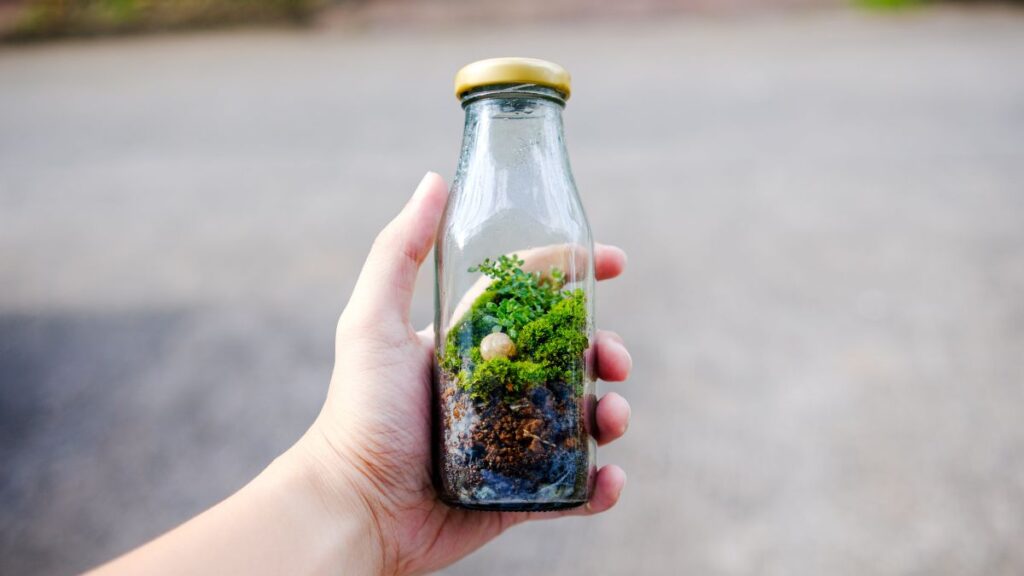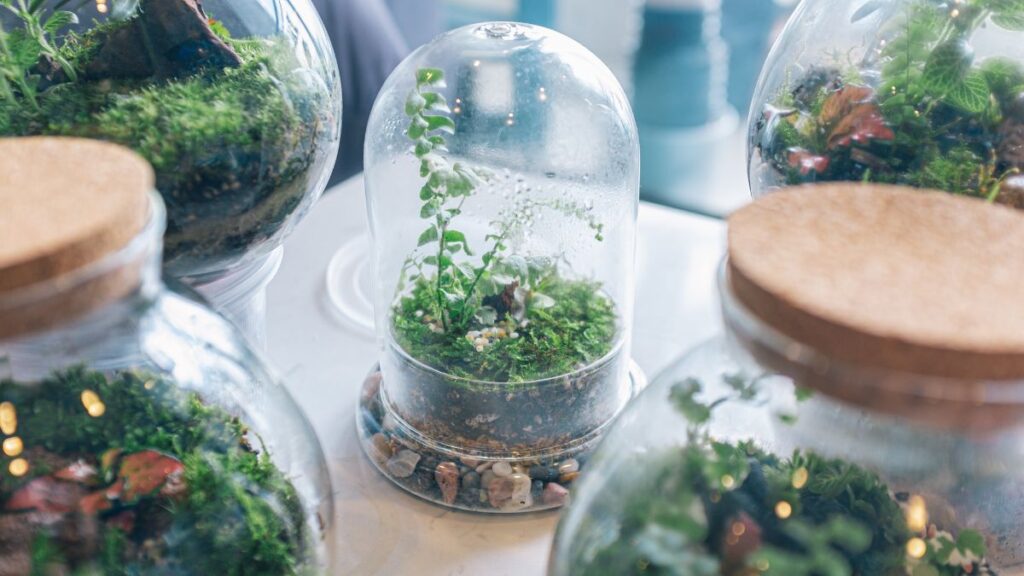
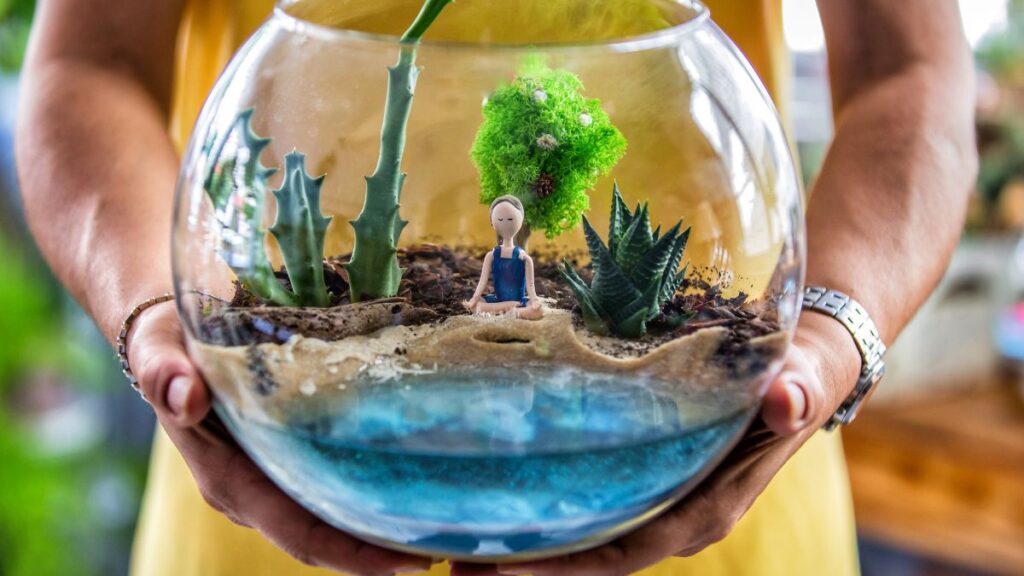
Few indoor projects offer the satisfaction of micro terrarium ecosystems, especially when getting watering schedules just right. Picture tiny forests thriving on your desk, a lush habitat contained in a jar or bowl. Every type of micro terrarium responds uniquely to how you care for it, especially around moisture.
Caring for closed and open terrariums is more than picking the cutest plants. Micro ecosystems balance on subtle cues: humidity, temperature, light, and, of course, watering schedules. Overwatering or drying out can tip the scales and cause issues from plant rot to desert-like soil.
This guide helps you confidently set watering schedules for closed and open micro terrarium ecosystems at home. By understanding what your tiny habitats signal, you’ll learn exactly when and how to add water, keeping your miniature gardens healthy year-round.
Spotting Moisture Patterns in Terrarium Microhabitats
Understanding the water cycle in micro terrarium ecosystems builds a reliable care routine. Closed and open designs behave differently and show clear cues when their watering schedules need adjusting.
Closed terrariums act much like bottled rainforests. Moisture trapped inside cycles between the soil, air, and glass. Open terrariums lose water faster and depend on more frequent external watering schedules.
When Condensation Becomes a Guide
In closed terrariums, condensation is more than decoration. Droplets on the glass reflect high humidity and mean your current watering schedule might be spot-on—or excessive. Foggy glass, especially all day, tells you to pause additional watering.
If condensation disappears for more than 24 hours, the system may need a careful, measured addition of water. Try tipping the jar to see if droplets run—no motion suggests the soil is drying out. Write down these effects in your care notes.
This process works like reading your car’s fuel gauge. Glass misting means “topped off”; clear glass signals it’s time to refill. That mental analogy keeps both your plants and your routines thriving.
Soil Touch and Substrate Signals
For open terrariums, touch the soil before you reach for the watering can. If the top layer feels dry but slightly cool, wait another day. Gritty, dusty soil is a sign your watering schedule needs tightening up.
Probe gently beneath the surface, especially in denser moss areas. Moist but not soggy means you’re balancing conditions well. Track soil responses through changing seasons—a winter schedule might contrast sharply with a summer one.
Unlike routine houseplant watering, micro terrarium soil provides faster feedback. Adapt your questions from “How much?” to “What signals am I seeing today?” for a smarter, more planted-centered approach.
| Terrarium Type | Moisture Cue | What to Do | Takeaway |
|---|---|---|---|
| Closed | Condensation | Pause watering if glass fogs daily | Let stable humidity lead your schedule |
| Closed | Dry glass, limp plants | Add 1–2 teaspoons water | Check after 24 hours for improvement |
| Open | Soil dry, crispy | Water lightly, not soaking | Keep soil just moist for roots |
| Open | Leaf edges brown | Review light and water routine | Adjust watering schedule to be more regular |
| Any | Mold patches visible | Decrease watering frequency | Better airflow and schedule discipline needed |
Tuning Watering Schedules for Closed-Container Micro Terrariums
Getting watering schedules right in closed terrariums prevents rot, mold, and plant stress. The goal is to simulate the ‘self-watering’ cycle of a healthy mini ecosystem.
Watering these sealed jars is not about maintaining a habit, but about responding to signals sent by your little forest inside. The right watering schedule keeps everything in balance for weeks or months.
Adjustments for Different Plant Types
Succulents and cacti need much less moisture in closed terraria than tropicals or mosses. For example, if you notice succulents turning soft, postpone watering for an extra week.
- Check glass for changes every few days—this keeps problems from building. If leaves yellow or drop, reassess conditions before adding water and consult your records.
- Add tiny amounts of water at the rim only, never directly on leaves. This prevents crown rot, especially with moisture-sensitive plants, and aligns with the best practices for watering schedules.
- Document your interventions with dates and results. Photos help track progress, so snap a quick shot after every adjustment. Over time, this builds your confidence in tuning the micro-ecosystem.
- Mix up monitoring times. Morning checks reveal overnight cycling; afternoons show heat stress. Spreading observations into your routine sharpens your instincts with micro terrarium care.
- When unsure between watering or waiting, err on the dry side for closed environments. Plants recover from thirst much better than constant excess moisture in these setups.
Find your baseline through these routines. Each closed terrarium will settle into its rhythm after a month of careful observation and responsive scheduling.
Optimizing Watering Schedules by Container Shape
Spherical jars trap moisture more efficiently than wide-mouthed vessels. Adjust your watering schedule to match: wide containers dry out faster than tall, narrow ones, even with the lid set tight.
- Log each watering event, using both the amount added and how evenly it’s distributed. This uncovers trends you can replicate in future months, creating predictability in your care routine.
- Notice how corners and shaded spots react—plants near the glass often stay more hydrated than those in the center. Adjust your methods, such as rotating the terrarium or shifting plant positions, to reduce stress.
- Leave several hours between misting and closing any vent. Allow excess moisture to escape. This tightens the watering schedule and ensures plant roots don’t suffocate from trapped humidity.
- When replacing a lid, set a timer to check for condensation at set intervals. This feedback loop helps fine-tune your maintenance and offers a quick visual check for over- or under-watering.
- Always use distilled or filtered water to reduce salt build-up. This not only protects your plants but also keeps the glass and substrate clear over time, extending intervals between major cleanings.
Adopt a container-specific strategy with these practical tips. The micro terrarium’s shape and plant mix will dictate how often your watering schedules need to be adjusted.
Responding to Seasonal Changes with Micro Ecosystem Watering
Micro terrarium watering schedules should shift as daylight, temperature, and indoor humidity conditions change with the seasons. Adaptation avoids surprise dry-outs or soggy soil, keeping your miniature landscapes stable year-round.
Reduce watering in winter since plant growth slows and evaporation drops indoors. In summer, heat and fans accelerate moisture loss, so review your schedule every week or two. Always watch how conditions shift in your home environment.
Immediate Responses During Heat Waves
Rapid spikes in temperature call for active monitoring. Check closed terrariums every morning for moisture and plant turgor. In open setups, inspect the soil surface twice a week and adjust watering schedules accordingly.
Never add water during midday heat—plants absorb best in cooler conditions. Add water gently early or late in the day, reducing heat shock. If you see wilting or browning, hydrate with a fine mist to revive stressed foliage.
Reset your routines after a heat wave ends. Let things stabilize before resuming former watering schedules, as micro ecosystems need time to rebalance.
Adjusting for Indoor Heating in Winter
Heaters dry air out, even in closed terrariums. Place jars away from heat vents and drafty areas. Closed models rarely need more water in winter, so focus on humidity retention and minimize regular watering events.
Open terrariums will demand slightly more frequent attention but still avoid overwatering. Use a soil moisture probe or clean finger to check the deeper layers, not just the top.
If mosses look shrunken, lightly mist only those areas, not the whole surface. This targeted approach matches the subtle rhythms of winter growth for micro terrarium plants.
Fine-Tuning with Observation and Habit Tracking
Keeping a record of your interventions—the watering schedules, observations, and reactions—improves outcomes with every season. The more you document, the quicker you’ll diagnose issues and set reliable watering patterns in your micro terrarium ecosystem.
Use a notebook, spreadsheet, or a dedicated phone app to log checks, water amounts, humidity shifts, and visual cues. Over time, you’ll see patterns unique to your home’s climate and your chosen containers.
Building a Visual Inspection Routine
Start each check by glancing at the leaves and glass surfaces. Droopy foliage, odd coloring, or patches of mold are early warnings. Make this a habit by pairing it with another daily activity like watering your larger houseplants or your morning coffee routine.
Sit at eye level to notice subtle condensation changes. Spin the jar or bowl gently to view all sides. Jot notes like: “fog on north side, dry on south after weekend heat.” These observations clarify future watering schedules.
With practice, your inspections become fast and intuitive. This proactive step reduces stress, catches issues early, and keeps your micro ecosystem thriving.
Reacting with Confidence
If you log misshapen leaves or persistent dryness, change only one variable at a time: amount, timing, or plant location. This deliberate method lets you pinpoint which change affects your micro terrarium the most.
If you see green algae in closed setups, reduce frequency by a full week. Log this and check whether the glass clears or stays green. Track changes for at least three cycles before adding more variables to your routine.
By marking these mini-experiments, you’ll quickly discover the best watering schedules. Each micro terrarium has its own personality—let your journaling become a guidebook for every new setup you try.
Conclusion: Creating Resilient Micro Terrarium Ecosystems
Smart watering schedules—tailored to closed or open micro terrarium ecosystems—create beautiful, self-sustaining habitats. You’ve learned to read signs, adjust routines, and document results so your plants always look their best.
Following these approaches ensures each terrarium stays vibrant, minimizing issues like rot, dryness, or mold. The balance you achieve through observation and notes makes plant care more rewarding—your small universe flourishes when you do.
Keeping a mindful approach allows you to respond to seasonal and environmental shifts. Set your micro terrarium up for lasting success by letting its cues guide every watering decision, day after day.
Frequently Asked Questions
How often should I water my closed terrarium?
Most closed micro terrariums require watering only every few months. Watch for condensation and adjust your schedule when the glass stays dry or your plants start to wilt. Always err on the side of too little over too much.
What’s the best way to water an open terrarium?
Water open micro terrariums when the top layer of soil feels dry to the touch. Add water in small amounts at the base of each plant, avoiding soggy conditions. Adjust frequency during seasonal shifts or as your environment’s humidity changes.
Why is my micro terrarium growing mold?
Mold indicates excessive moisture or poor air circulation. Cut back on watering schedules, increase time between checks, and if possible, open the container briefly to let excess humidity escape. Remove moldy areas immediately to prevent spread.
Can I use tap water for my terrarium?
Tap water often contains minerals that build up as residue inside micro terrarium glass or harm sensitive roots. For best results, use distilled or filtered water. This helps maintain both plant health and clear glass walls.
How do I know if I’m watering too much?
Soggy soil, yellowing leaves, and recurring condensation are typical signs of overwatering. Log each event and wait longer before adding water again. Healthy micro terrariums bounce back quickly once excess is corrected and the environment steadies.