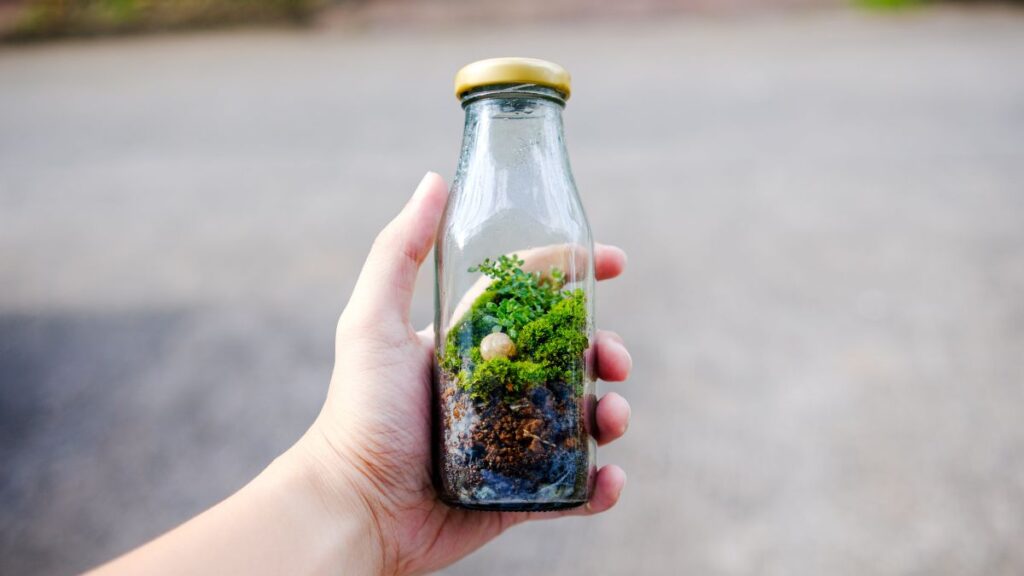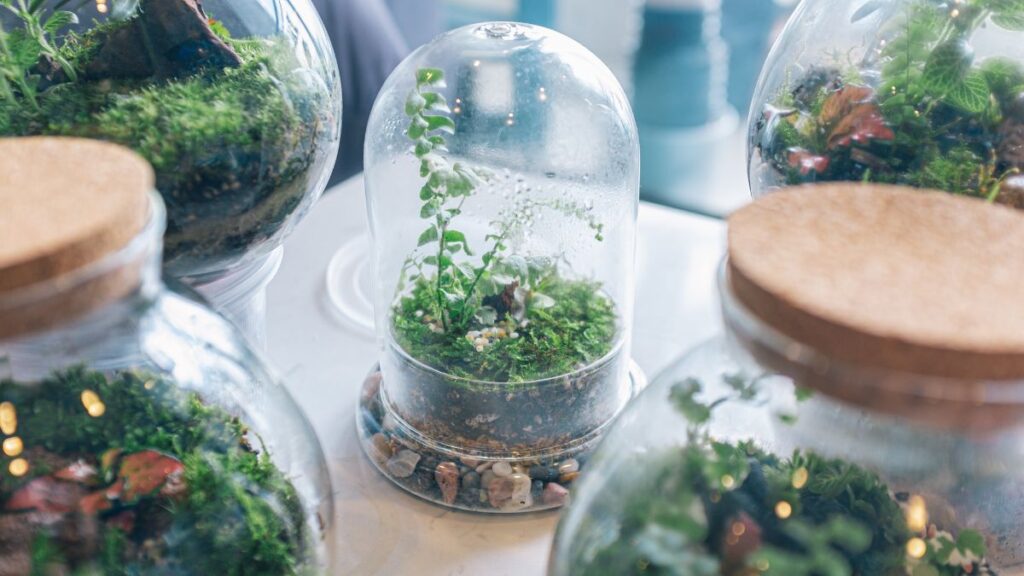
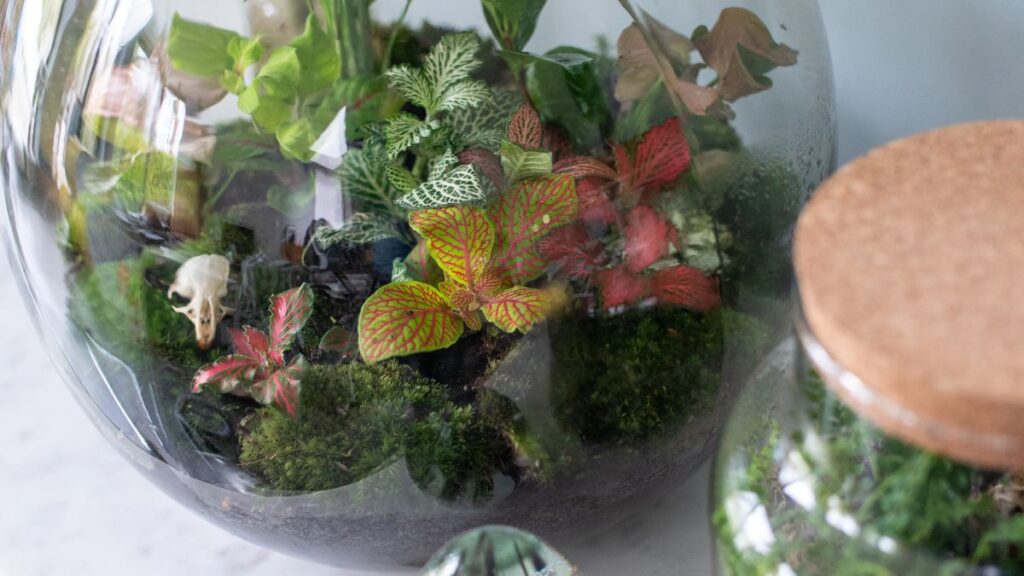
Glass walls can’t keep everything out. If you’ve ever noticed tiny critters darting under leaves or odd spots appearing, you’re not alone. Plant pests easily invade even the smallest micro terrarium ecosystems, challenging even careful caretakers.
Vigilance matters because plant pests quickly turn a thriving micro terrarium into a wilted one. Small, crowded environments give pests a head start, letting populations increase while plants struggle. Proactive monitoring is the clearest way to protect your miniature world.
This article walks you through practical detection strategies, targeted treatment, and actionable routines tailored for micro terrarium plant pests. Explore concrete scenarios and memorable tips designed to keep your greenery vibrant and pest-free.
Spotting Early Signs: What to Watch Before Pests Take Over
Early recognition lets you tackle plant pests before damage sets in. Training your eye for subtle changes helps prevent a minor hiccup from turning into a widespread infestation in your micro terrarium.
Familiar cues—such as white webbing, sticky droplets, or sudden yellowing—signal that plant pests have snuck in and started taking hold. Monitoring with intention each week quickly reveals these tell-tale signs.
Subtle Symptoms in Leaf Color and Texture
Discoloration including faint yellow spots or streaks often means plant pests are feeding beneath the surface. Leaf curling or puckering shows ongoing disturbance, urging you to investigate with a magnifier for mites or aphids.
Leaves losing gloss might signal scale insects, while a powdery residue is frequently left by whiteflies. If you gently tap foliage and tiny insects flutter or crawl, take note—this warrants closer inspection to identify the species.
Script to use: “I noticed these pale dots today—should I isolate this plant?” Taking quick action by inspecting the root zone and undersides of leaves can reveal hidden culprits. Move infested specimens to prevent spread.
Sticky Residue and Mold Growth as Red Flags
Sticky residue, known as honeydew, points to sap-sucking plant pests such as mealybugs or aphids. They leave sugary excretions, and mold may follow if uncleaned. Check glass and surrounding soil for glistening patches.
Scenario: After watering, you find sooty mold forming on stems. This growth thrives on the honeydew, confirming pest activity. Carefully clean the area with a soft cloth and plan for targeted pest management steps.
If you spot blackened leaves or stunted growth after discovering residue, act fast to diagnose whether the damage is pest- or humidity-induced. Adjust watering and airflow while implementing pest-specific remedies.
| Pest Type | Common Signs | Affected Plants | What To Do Next |
|---|---|---|---|
| Fungus Gnats | Tiny flies near soil | All seedling stages | Dry topsoil, consider sticky traps |
| Aphids | Curling, sticky leaves | Succulents, ferns | Rinse, isolate affected plant |
| Spider Mites | Fine webbing, faded leaves | Tropical foliage | Increase humidity, gently wipe leaves |
| Scale Insects | Bumps on stems, sticky glass | Woody stems | Manually remove, apply alcohol swab |
| Mealybugs | Cottony tufts, wilting | Succulents | Dab with cotton swab, isopropyl alcohol |
Building a Weekly Care Routine to Prevent Major Outbreaks
Consistent rituals keep plant pests in check. Committing to a short inspection and simple cleaning boosts the overall resilience of your micro terrarium ecosystem every single week.
Timing matters. Align checks with watering, since moist environments tempt plant pests to settle in freshly disturbed areas. Immediate responses prevent emergencies and help you maintain vibrant, healthy growth in tight quarters.
Integrating Inspection Into Watering Sessions
During watering, check leaves both above and below for new blemishes or sticky spots, noting even faint white dust or silk. Turn tiny stems gently to spot early invaders lurking out of sight. This habit catches plant pests quickly.
- Inspect all plant surfaces while watering. Observing leaf undersides or stems during these wet moments makes tiny insects more visible and easier to spot.
- Keep a magnifier handy each session. Quickly zooming in on suspect spots helps you confirm if plant pests like mites or aphids have arrived before they spread widely.
- Wipe surfaces with a damp cloth. Removing dust and debris prevents plant pests from finding shelter in crevices. Focus on glass corners, leaf axils, and any condensation-prone area.
- Prune dead or yellowing leaves right away. Immediate removal eliminates pest food sources, cutting down on places for them to breed or hide within the terrarium ecosystem.
- Replace sticky traps regularly. These traps catch plant pests before populations explode, giving you a clear snapshot of which insects are trying to take hold.
If you see results like fewer flying gnats or cleaner glass, your protocol is working. Track any persistent problems in a small notebook by date and affected plant to spot patterns.
Creating a Quarantine Method for New Plants
Before adding a new specimen, isolate it outside your main terrarium. Leave it there for at least one week, watching for plant pests such as tiny crawling aphids or webby mites.
- Inspect new arrivals before immersion. Closely check all leaves and root zones under bright light to find hidden plant pests, using a toothpick or tweezers for stubborn hitchhikers.
- Spray with a diluted neem oil or gentle soap solution. This removes visible pests and destroys eggs, maximizing your chances of bringing in a clean plant.
- Monitor daily for frass or webbing. Droppings and silk are strong evidence of unseen plant pests, signaling an infestation that must be managed before introduction.
- Repot with sterile substrate. Soil from nurseries may hide fungus gnat eggs or mites, so using new, pasteurized soil drastically reduces incoming problems.
- Record plant condition on day one and day seven. Writing “no pests visible” or noting “aphids found” just before introduction gives you a reference point for future checks.
Just one missed pest can disrupt your entire micro terrarium. Taking quarantine seriously means fewer emergencies and stronger long-term plant health.
Zeroing In: Targeted Treatments for Common Culprits
Pinpointing the right treatment based on pest species keeps micro ecosystems balanced. Tailored approaches tackle invaders efficiently without risking delicate terrarium balance or harming beneficial insects that may be present.
Spraying randomly is rarely effective in micro environments. Instead, focus on direct application methods and mechanical removal to precisely reduce plant pest numbers and minimize collateral damage.
Mitigating Fungus Gnats Quickly
Drying the top half-inch of soil for several days disrupts fungus gnat larvae cycles. Setting yellow sticky traps just above the soil’s surface also traps adults, making it hard for plant pests to lay fresh eggs in your terrarium.
If gnats persist, swap topsoil for new, sterile substrate every two weeks. This physically removes eggs and larvae while keeping humidity stable for terrarium plant species. Pair this with reduced watering schedules for a two-pronged attack.
Script: “I’ll use less water this week and watch for fewer flying gnats.” Pair this habit with weekly soil checks to confirm your change had the intended effect.
Treating Mites and Aphids on Delicate Foliage
For visible mites and aphids, gently rinse infested leaves in room-temperature water held over a basin. Support delicate plants with your hand, and allow runoff to remove clusters without disrupting roots or substrate levels.
Follow up by dabbing remaining pockets with a cotton swab dipped in 70% isopropyl alcohol. This spot-treats problem areas, dries rapidly, and won’t linger in terrarium humidity zones to affect sensitive leaves.
Finish with a light neem oil mist under leaves. This disrupts pest reproduction while sparing beneficial organisms—a useful step when chemical sprays might overwhelm the ecosystem.
Removing Hard-Scaled Insects Without Harm
Scale insects glue themselves to stems and are tough to budge. Use a toothpick or dull knife edge, working carefully to protect fragile bark. Target only visible insects; this minimizes stress to the plant.
Swab remaining spots with an alcohol-soaked Q-tip, allowing a minute for the solution to dissolve the pests’ protective shell. Rinse gently with distilled water to clear residues and prevent blockages in terrarium airflow circles.
Repeat every three days until all scales vanish. Maintain close watch for lingering stickiness or return of plant pests, adjusting light exposure to reduce new outbreaks.
Tailoring Defensive Measures for Your Unique Ecosystem
Every micro terrarium has quirks. The best plant pest controls consider glass size, airflow, and plant mix to select a strategy that maintains environmental balance while preventing re-infestation and supporting plant health.
For tropical micro terrariums, boosting humidity and airflow reduces spider mite problems, but drier, arid types need cold removal and vigilance instead of misting—otherwise, you’re tempting fungus gnats and mold among hardy succulents.
Scenario: Adjusting Care for Mini Fern Forests
Dense foliage traps moisture—a perfect space for plant pests to multiply unseen. Use a mini fan or open the lid 30 minutes a day to discourage mite buildup, backing up with weekly cloth-wipe leaf cleaning for lower leaves prone to mold or aphids.
Reserve misting for tops of leaves, allowing soil to dry underneath so gnats can’t thrive. Coordinate your care so water and airflow work in tandem to limit conditions that plant pests crave.
Script: “I lift the lid every morning for fresh air, then wipe the inside glass.” This routine suits mosses and ferns by lowering humidity spikes and scattering pests looking to settle.
Scenario: Succulent Terrariums and Dry Pest Management
Succulents prefer arid help—skip daily sprays and rely on tweezers to pluck visible pests from stems or leaf crevices. Debris-free gravel top dressing fends off fungus gnats needing damp media.
Monitor substrate depth and replace compacted layers as roots crowd out air pockets, since stagnant areas become hotspots for gnats and scale insects. Use only distilled water to avoid favoring fungal outbreaks favored by tap mineral buildup.
Final script: “I added fresh gravel, then trimmed old leaves.” Targeting these zones stops pests in their tracks and encourages robust succulent recovery.
Recognizing When to Boost Natural Predators in Terrariums
Introducing beneficial microfauna keeps plant pest outbreaks in check naturally. Springtails, isopods, and hypoaspis mites hunt many tiny plant pests, thriving in moist corners without threatening plant life.
Relying on these natural solutions mirrors outdoor ecosystems, establishing a self-regulating microhabitat where plant pests rarely reach crisis levels. Match predator numbers to your container size to prevent crowding and imbalances.
Adding Springtails and Isopods for Balance
Springtails break down mold, decaying leaves, and soft-bodied pest eggs, steadily reducing food sources plant pests count on. Sprinkle a starter colony onto damp substrate, close the lid, and observe as populations regulate themselves over two weeks.
Scenario: After a mealybug outbreak, adding 20-30 springtails meant zero visible honeydew by week three. Maintain leaf litter for ongoing support, and skip chemical interventions to keep the ecosystem naturally balanced.
Script: “I dropped springtails in and let nature take over.” Use this for long-term stability rather than immediate pest eradication.
Predatory Mites to Control Spider Mites
Predatory mites (such as hypoaspis miles) target spider mites without impacting plants or friendly microfauna. Sprinkle onto the surface, then wait several days for results—population balance emerges as spider mite activity falls off.
Monitor predator progress by checking for web reduction and healing leaf tips. Skip harsher treatments while establishing these beneficial populations to avoid unintended harm to the ecosystem.
Script: “No more webs this week—the predator mites seem to be settling in.” Persistence with natural solutions supports a thriving terrarium and spares fragile plants from chemical exposure.
Tracking Outcomes: Keeping a Pest Prevention Journal
Write down observations to spot pest patterns early and refine your approach over time. Logging pest types, treatment dates, and plant reactions gives you a personalized manual for preventing future outbreaks in micro terrarium setups.
A pest journal highlights what works and flags recurring problem points. Simple notes, like tracking how springtails reduced fungus gnat numbers, reveal the most effective responses for your specific terrarium.
Sample Entry: Recording and Interpreting Data
Date: 3/1—Discovered tiny webs near fittonia; wiped leaves and moved plant to another container. 3/4—No webs, but sticky spot returned. Applied neem oil, increased daily ventilation. 3/8—All symptoms gone. Plan to repeat check next week.
These observations uncover cause-and-effect: wiping and ventilation worked, but oil stopped the cycle. This feedback loop ensures future issues get the right intervention the first time.
Script: “Every Sunday, I jot down what I see and what I tried.” Direct, regular notes foster confident adjustments and keep plant pest control straightforward.
Final Thoughts for Thriving Micro Terrarium Ecosystems
Proactive habits stop plant pests before they turn severe. Early detection, routine cleaning, swift quarantine, and natural predators all stack the odds in favor of your miniature ecosystem’s long-term vitality.
Customizing your approach—whether that means boosting airflow, adjusting watering, or welcoming springtails—reinforces your terrarium’s resilience. Each detail, from sticky traps to daily logs, directly improves your plant community’s endurance and beauty.
Staying engaged, learning from observation, and updating routines make micro terrarium plant care a creative, rewarding process. These mindful strategies keep your green world balanced and radiant for seasons to come.
Frequently Asked Questions
What are the most persistent plant pests in micro terrariums?
Fungus gnats, spider mites, aphids, mealybugs, and scale insects commonly invade micro terrariums. They thrive in humid or densely-planted spaces. Early detection and targeted treatment are vital to minimizing their lasting impact in a small environment.
How can I tell if my terrarium pests are harming my plants?
Check for yellowed, curled leaves, sticky residue, fine webbing, or stunted growth. Even subtle changes may signal a pest problem. These symptoms, when spotted, mean plant pests are likely causing stress or nutrient theft from your terrarium plants.
Is it safe to use chemical sprays in micro terrariums?
Chemical sprays may harm delicate terrarium plants and beneficial microfauna. Gentle local treatments like isopropyl alcohol swabs or neem-based sprays, applied with precision, are safer options for confining treatment to affected areas only.
Will introducing springtails or isopods control all pests automatically?
Natural predators help balance common plant pests, but some infestations—such as scale or mealybugs—require additional manual removal methods. Combine biological controls with frequent monitoring for the best long-term stability in your micro terrarium.
Should new plants always be quarantined before adding to a micro terrarium?
Yes, every new plant should spend at least one week in isolation. This step allows you to identify and manage plant pests before they reach your established micro terrarium ecosystem, drastically reducing major outbreaks and treatment headaches in the future.