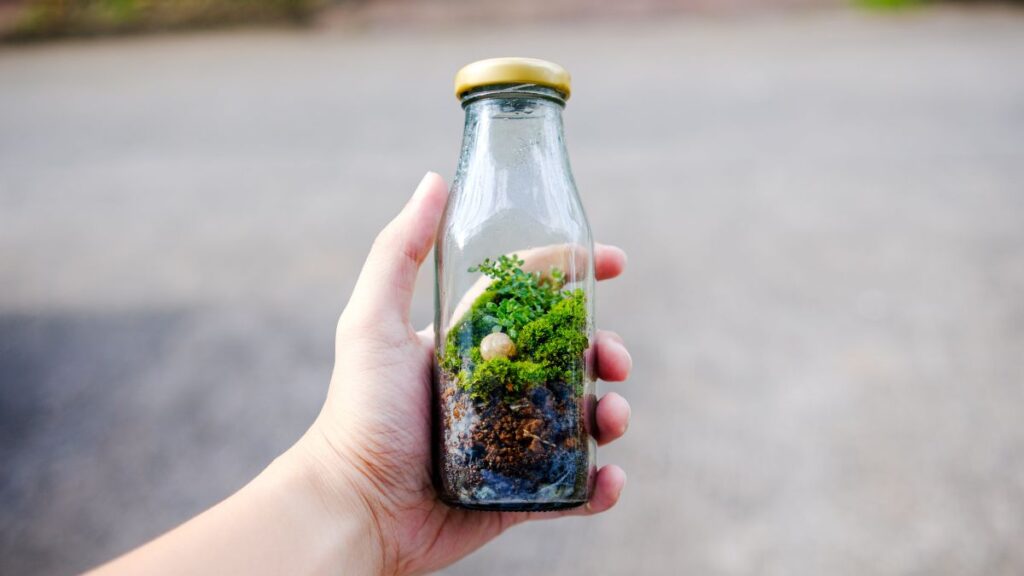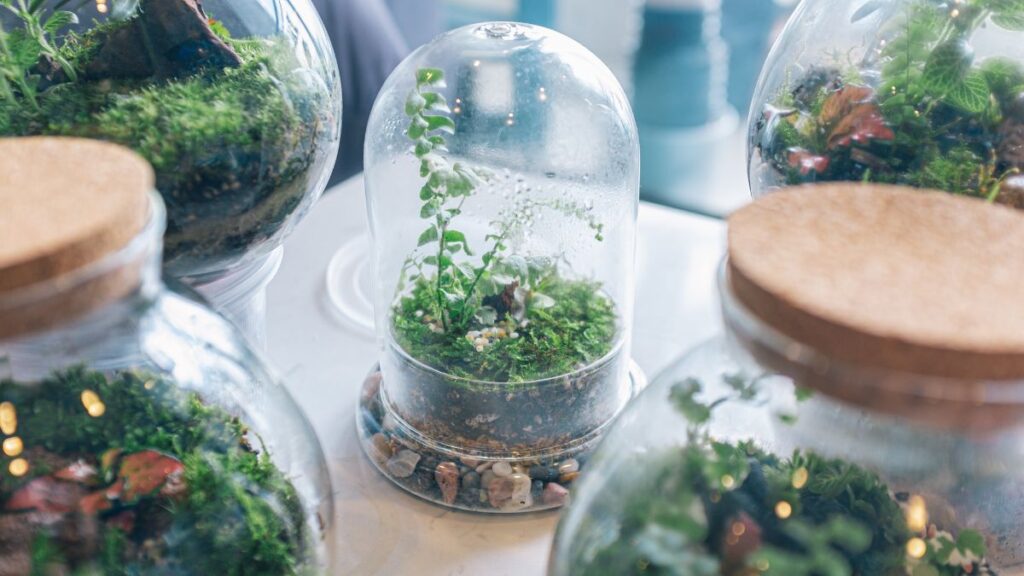
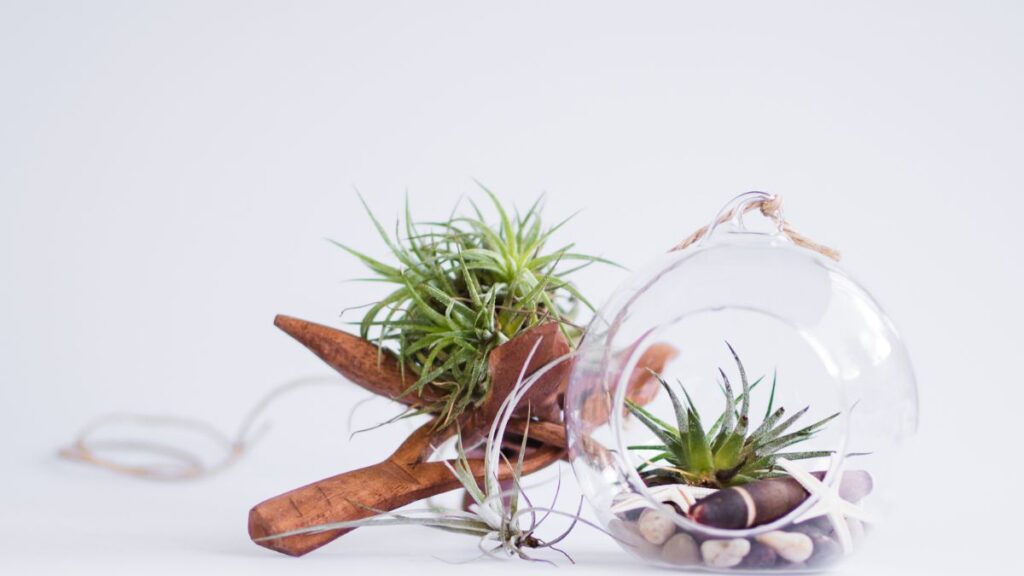
Streaky glass can ruin the tiny world inside a micro terrarium. When cleaning glass, the stakes are higher than they appear: each swipe risks disrupting a carefully balanced ecosystem.
Micro terrariums thrive only when light, humidity, and airflow work together. If debris or haze dims the glass, the entire balance tips. Armed with steady hands and the right method, anyone can keep these environments pristine.
This guide reveals step-by-step ways to make cleaning glass easy and safe for sensitive micro terrarium habitats. By exploring sensible tools and practical routines, you’ll confidently maintain crystal-clear glass without stress.
Choosing the Safest Cleaning Tools and Materials for Micro Terrariums
To safely maintain a healthy micro terrarium, select materials and tools that clean glass without leaving streaks or leaching harmful substances. A thoughtful checklist makes the process simple and efficient.
Soft, non-abrasive cloths help you clean glass without scratching delicate surfaces. Avoid anything metal or anything labeled as abrasive, and always pick tools sized appropriately for your container’s curves and corners.
Finding Cloths and Wipes That Work
Microfiber cloths excel at picking up smudges and dust without transferring lint or fibers. In tight spaces, use a soft cotton swab or makeup pad to target tricky edges, guiding your motion gently along the glass wall’s curve.
Analogous to polishing jewelry, choosing the softest cloth prevents scuffs that would magnify over time. If someone says, “I use paper towels,” encourage them to switch by showing how a microfiber cloth feels smooth and leaves no residue.
Fold cloths into quarters, so each swipe uses a fresh surface. This habit extends the cloth’s life and ensures stubborn spots don’t just get spread rather than removed.
Solutions to Avoid and Safer Substitutes
Harsh chemicals can destabilize micro-ecosystems, so skip household glass cleaners loaded with solvents and fragrances. Instead, use distilled water or a very dilute vinegar mixture for most cleaning glass jobs inside a terrarium.
Match the intensity of cleaning to the task. For fingerprint smudges, distilled water dampened on a cloth works—no need for soapy bubbles or residue. Glass fogged by mineral buildup needs only a drop of diluted vinegar on a soft cloth.
If you spot a fellow hobbyist hesitating near their cleaning supply shelf, suggest they choose distilled water and show them how to dampen the cloth, ring it out, then swipe carefully along the glass without dripping.
| Cleaning Tool | Material Safety | Eco-System Impact | Takeaway Action |
|---|---|---|---|
| Microfiber Cloth | Ultra-soft, lint-free | No disruption, reusable | Use for gentle wiping |
| Cotton Swab | Soft, precise | Targets corners | Clean small crevices |
| Distilled Water | Pure, residue-free | No risk to plants | Dampen for most wipes |
| Dilute Vinegar Mix | Mildly acidic | Evaporates quickly | Spot clean mineral marks |
| Abrasive Pad | Rough, scratchy | Damages glass/eco | Avoid using entirely |
Safe Daily Routines That Keep Micro Terrarium Glass Clear
Preventing buildup is the best way to make cleaning glass manageable. By adopting simple routines, you minimize the effort and reduce the risk of accidentally disturbing the mini-ecosystem inside.
Avoid harsh cleaning schedules; instead, check the glass every morning for spots or condensation. Spot-clean rather than deep-clean, which means intervening only where needed.
Tidy Touch-Ups: Daily and Weekly Practices
Spend 30 seconds every morning scanning for fingerprints, drips, or dust. Gently buff with a dry microfiber cloth if you see anything, so the problem never accumulates. Preventive cleaning glass methods keep heavy cleaning rare.
- Inspect the glass with side lighting to catch hidden streaks. This reveals what needs cleaning and what can be left untouched.
- Always use a dry or barely-damp cloth to avoid leaving water droplets on the glass, which can foster algae or mineral marks.
- Work from top to bottom so any debris doesn’t settle onto already cleaned areas. Bottom-up motion can push dirt into hard-to-reach corners.
- Rotate the terrarium gently as you clean so light hits reflections differently, exposing missed spots for a perfect clean.
- Afterward, check that glass is dry inside and out before closing the lid or repositioning plants to prevent condensation.
Daily checkups form a habit that means heavy cleaning glass chores are rare, and the terrarium ecosystem stays balanced effortlessly.
Preventing Glass Issues with Environment Control
Avoiding issues in the first place is always preferable when maintaining cleaning glass standards. By controlling humidity, airflow, and water levels, you deter fog and streaks without needing heavy-duty cleaning.
- Keep the terrarium away from direct vents, which create condensation that fogs up glass quicker than normal room air.
- Limit high-humidity misting as much as possible. Mist only the substrate, not the walls, to avoid algae and water stains on the glass.
- Use moisture meters to monitor closed terrariums, making sure the air stays balanced for both plants and cleaning glass clarity.
- Open the lid a crack once per week if possible, letting out stale air and excess humidity, which naturally cuts down on streaks and build-up.
- Wipe exterior glass with a fresh, dry cloth—never reuse one that’s touched soil, as it can spread dirt and spores onto the surface.
Adjusting basic care routines goes a long way, making cleaning glass much less of a chore and preserving the lush world inside your micro terrarium.
Careful Techniques for Cleaning Glass Inside Micro Terrariums
Effective cleaning glass methods inside micro terrariums always mean minimal disruption to soil, plants, and tiny inhabitants. By breaking down tasks into small, controlled steps, you avoid accidental ecosystem upsets.
Delicate Swabbing in Tight Terrarium Spaces
When removing fingerprints near the soil or plant bases, anchor your hand against the rim to steady your wrist, then dab—don’t scrub—the glass. This method prevents the soil from shifting and keeps roots undisturbed.
For corners and edges where buildup lurks, use a cotton swab slightly dampened with distilled water. Carefully trace each line, then rotate the swab for a clean surface, similar to how a dentist cleans teeth: gently but precisely.
Some hobbyists say, “I can reach that with a spatula.” Instead, show them how a cotton swab’s soft touch preserves both the glass and the sensitive ecosystem inside.
Safe Cleaning Near Sensitive Plant and Moss Zones
When approaching moss carpets or plant foliage pressed against the glass, hold foliage aside with a chopstick or pencil, never your fingers, to avoid bruising. Carefully press the cleaning cloth or swab flat to prevent poking soil or leaves.
If you need more dexterity, wrap a small cloth around a chopstick and secure it with a rubber band. This creates a custom cleaning wand that’s gentle and precise, reducing the risk of a heavy hand.
Leave wet glass surfaces exposed for a few minutes after cleaning—never replace the lid immediately. This step guarantees zero moisture is trapped against moss or roots, which could encourage mold.
Dealing with Persistent Stains and Algae Without Harm
Algae or stubborn stains need extra care during cleaning glass events, as forceful scrubbing could destabilize the micro-ecosystem. Sequential, gentle attempts solve the problem with less risk.
Move slowly, assessing progress as you go, and never over-correct. One technique—alternating between distilled water and dry wiping—removes hazy buildup efficiently.
Removing Algae in Problem Spots
Algae forms when excess humidity and light meet, especially near the bottom rim. Try this rule: Blot, pause, then buff dry. The combination removes more with less disturbance.
Use a dedicated swab for each spot to prevent spores from spreading. If stains remain, slightly increase vinegar dilution on the swab but keep all liquids away from live moss beds or plant roots.
Wrapping a strip of soft cloth around a pencil helps reach rim algae. Press lightly and stop if you notice any substrate shifting—it’s better to leave a stubborn patch than disturb the balance.
Handling Mineral Spots and Cloudiness
Mineral spots require a distinct approach: Apply a bit more pressure with a vinegar-dampened pad, focusing on circles instead of back-and-forth motion. This concentrates effort without scraping nearby glass.
If cloudiness spreads, clean small sections at a time. Recheck after a few minutes—rushed cleaning glass sessions rarely give great results, so slowing down improves clarity and ecosystem health.
Always rinse with distilled water and immediately dry. This final step removes any residue that could encourage new haze or interfere with light for plants near the cleaned zone.
Strategies for Multi-Sided and Curved Micro Terrarium Containers
Sphere-shaped and angled glass containers add new challenges to cleaning glass well, but careful tool selection and flexible techniques guarantee a gentle clean with zero disruption.
Instead of straight swipes, small circular motions minimize stress on corners and curves. Tools with flexible tips—like wrapped chopsticks or bendable swabs—fit oddly shaped walls perfectly.
Managing Curved Glass Without Streaks
Imagine dusting a round lampshade: gentle, sweeping arcs cover the surface without bumping the edges. The same approach works for round terrarium glass—rotate the sphere slightly with each pass.
Bent cotton swabs and microfiber wands, made by wrapping cloth over flexible wire, slide into tight necks without risking plant disruption. Avoid rigid tools: If they snap, they’ll jolt the whole ecosystem.
After cleaning glass on challenging shapes, hold the container at different angles in the light to check for streaks. Only repeat if strictly necessary, pausing after each pass to inspect the effect.
Techniques for Containers with Narrow Openings
Some micro terrariums have tiny openings, making cleaning glass difficult. Fashion a tiny cleaning wand by taping a microfiber square around a skewer; gently access the interior surface without jabbing soil or moss below.
If condensation clouds glass where you can’t reach, prop the container open for a short while to allow natural evaporation, reducing buildup and making glass washing less frequent.
After cleaning, seal the opening only after confirming the glass is completely dry using a flashlight. Neglecting this step traps humidity and counteracts your careful efforts.
Best Practices to Keep Terrarium Glass Sparkling Long-Term
Consistent cleaning glass routines maintain ecosystem balance and clarity. Keeping a log of what works and when each cleaning occurred highlights patterns—glass stays clearer, and plants remain undisturbed.
Stay mindful of environmental cues. Foggy glass after a week means airflow or watering is off—adjust those before scrubbing harder. Document which methods succeed to avoid accidental damage on later cleans.
Mini Checklist: Maintenance Habits for Lasting Clarity
- Clean with microfiber after weekly waterings to prevent soil splashes from settling on the glass, preserving clarity.
- Keep a backup cloth handy near your display, so you always reach for gentle tools instead of grabbing paper towels in haste.
- Track which cleaning glass spots tend to cloud first—adjust lighting or airflow to those trouble areas next time instead of using more force.
- Label cleaning solutions and tools. Mixing up cloths for interior and exterior cleaning can transfer contaminants inside.
- Relax and scan glass outdoors in direct sunlight twice a month—hidden streaks stand out, and it’s easier to spot if your daily routine needs a tune-up.
Incorporate these regular check-ins, and you’ll notice a decrease in persistent streaks or fog. Ultimately, a smart cleaning glass approach enhances both your plants’ health and your enjoyment of the miniature landscape.
Key Takeaways for Preserving Both Glass and Ecosystem Health
Gentle, regular cleaning glass habits protect the delicate balance of life inside every micro terrarium. Soft tools, safe solutions, and mindful routines guarantee long-lasting clarity and a thriving miniature world.
Never rush the process or reach for harsh chemicals. Each cleaning succeeds best with patience and a focus on the long-term relationship between glass and plant health.
By following purposeful, non-invasive cleaning glass methods, you’ll enjoy seamless views into your terrarium—witnessing tiny details and vibrant growth as your mini-ecosystem flourishes undisturbed.
Frequently Asked Questions
How can I prevent streaks when cleaning glass in my micro terrarium?
Use a microfiber cloth dampened with distilled water and wipe in circular motions. Always dry the area immediately with a separate soft cloth to avoid streaks and accidental residue buildup inside the terrarium.
What cleaning solution is safest for terrarium glass?
A mixture of one part distilled white vinegar to ten parts distilled water works well for most micro terrarium glass. Avoid chemical sprays or soaps—these can disrupt humidity, damage plants, and harm microfauna if used incorrectly.
Is it safe to use a window scraper on terrarium glass?
Avoid metal or hard plastic scrapers inside micro terrariums. These risk scratching the glass and could disturb soil, moss, or roots. Instead, use cotton swabs or soft cloth wrapped around a flexible stick for small, stubborn spots.
How often should I clean glass inside a closed micro terrarium?
Spot clean as soon as you see fingerprints, algae, or condensation. Regular, gentle touch-ups every few days work better than waiting for stains to build up, which only encourages more aggressive, disruptive cleaning.
Can cleaning glass change the humidity or air balance?
Rushing the process or leaving glass wet inside a closed terrarium changes both humidity and air flow. Always let the interior fully air-dry before closing it up again to maintain stable conditions for the micro-ecosystem.