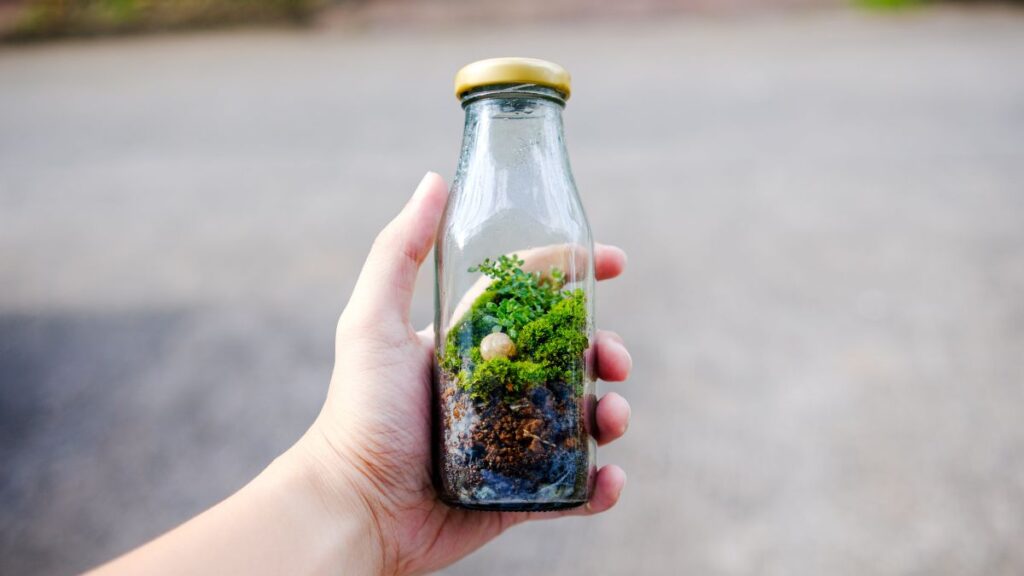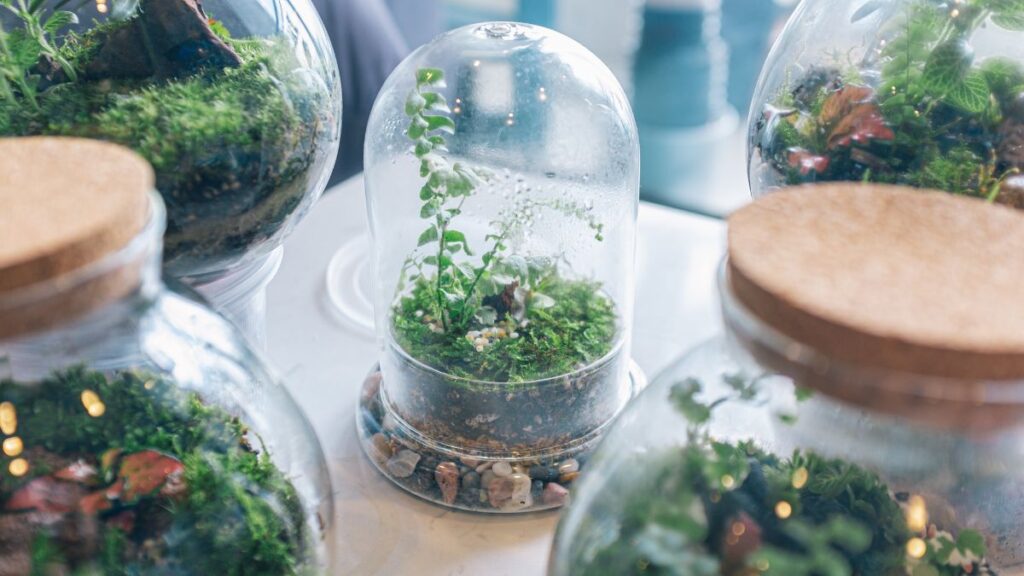
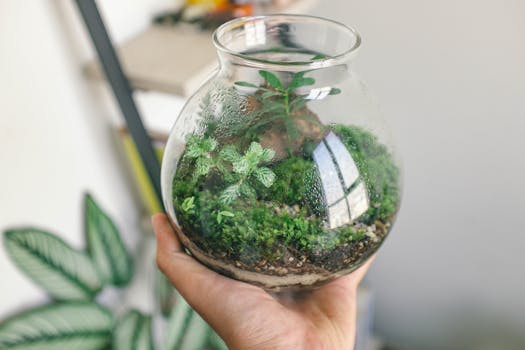
Peering into a thriving micro terrarium ecosystem feels like looking at a living painting—each leaf, root, and stone perfectly balanced inside clear glass. Achieving this balance means every element, including air circulation, works quietly behind the scenes for healthy plants and a mold-free space.
Terrariums, especially closed ones, create their own climates. Inside these self-contained worlds, air movement controls humidity, temperature, and the exchange of gases. If air circulation gets blocked, trouble follows: stagnant air, unhealthy plants, and even mold take over before you notice.
This article breaks down what you can do today to keep air circulating naturally in closed terrariums. Whether you’re troubleshooting issues or building a new setup, these tips and examples are designed for real-life situations. Let’s open up the secrets of micro terrarium health.
Creating Steady Airflow: Simple Adjustments You Can Start Right Away
Give your micro terrarium ecosystem the consistency it needs by making changes to the container, substrate, and layout. These steps directly shape the air circulation patterns inside the glass, keeping conditions fresh and adaptive.
Instead of sealing your container airtight, allow for micro-vents or subtle gaps at the lid edge. Even a little space helps regulate humidity while supporting essential gas exchange. Regularly inspect the seal and adjust as plants grow.
Optimizing Container Shape for Circulation
Round jars and domes move air differently than straight-sided vessels. A narrow-necked glass bottle keeps humidity high at the base, but this can slow air movement to the top. If you spot excessive condensation, try a wider container or loosen the lid.
With rectangular terrariums, corners can trap stagnant air. Place small stones or pebbles in these zones to disrupt still pockets and allow subtle flows. This small change reduces the risk of mold or stunted plant growth.
Think of glass shapes like musical instruments: each one makes unique currents inside. Match container style to your plant choices and keep airflow in mind for every new design.
Layering Materials to Aid Air Pathways
Layering is more than a visual trick. Starting with an inch of coarse gravel as the bottom layer lets extra moisture drain and prevents soil from compacting. This open base layer allows air to rise freely and supports healthy roots.
Next, place a breathable divider—like mesh or fine screening—between the gravel and the substrate. This detail keeps the soil from falling into the drainage layer, keeping water paths and air pockets open for long-term plant wellness.
Finish with a loose, airy soil blend. Compressing the substrate tightly blocks airflow, so always fluff when planting. Watch for compacted layers and mix or lift them gently if growth slows down.
| Container Feature | Air Circulation Impact | Ideal for Which Plants | What to Adjust Next |
|---|---|---|---|
| Wide Openings | High exchange, fast evaporation | Succulents, tropicals | Monitor moisture, close partially |
| Narrow Necks | Slower airflow, stable humidity | Moss, ferns | Loosen lid weekly for a few hours |
| Domed Tops | Condensation pools at top | Miniature orchids | Tilt lid open slightly as needed |
| Flat Lids | Even coverage, less pooling | Shrubs, vines | Check for dust build-up monthly |
| Mesh Inserts | Filtered airflow, debris barrier | Mixed micro ecosystems | Clean mesh every two months |
Rotating and Spacing: Reliable Ways to Breathe New Life Into Your Micro Ecosystem
Improving air circulation isn’t just about big changes—it’s the small routines, like how you arrange plants and how often you turn your terrarium, that protect your closed system from stagnation and decay.
Plan regular container rotation. Spinning the terrarium gently once a week ensures every side gets light and airflow, breaking up hot spots and balancing conditions for all residents.
Spacing Strategies to Prevent Crowding
Leaving gaps between plants creates invisible air tunnels. Arrange foliage with intent: break up thick patches by repositioning stems, and pull moss mats apart to let air reach the soil. Aim for at least a finger’s width of space around each plant.
- Shift stems to create light and air gaps. This lowers mold risk and gives slower growers room to thrive. Squeeze your pinky between ferns to check spacing accuracy.
- Avoid laying moss too densely. Break mats into smaller tufts, place them a half-inch apart, and allow air and light into the gaps for peak health.
- Use vertical accents, like stones or miniature trellises, to create new pathways. These features act as airflow lanes while adding visual layers.
- Keep runners trimmed. Plants like fittonia or nerve plants often sprawl—clip off excess growth to maintain pockets for air movement.
- Space taller plants from the container wall; this ensures warm, moisture-rich air doesn’t get trapped behind leaves, triggering rot.
Observe plant shapes before planting. Shrubs that cup their own leaves need extra airflow, so plant less densely and avoid crowding different species side by side.
Light Positioning and Lid Adjustments
Adjust where your terrarium lives on the shelf. Avoid direct sunlight for closed setups—this can overheat air, stalling circulation. Best to keep closed terrariums near bright, indirect light to drive photosynthesis and daily warmth variance.
- Open your container lid after rainstorms or on humid days for thirty minutes. Let fresh air circulate, then reseal. This mimics nature’s pulse of fresh air and sunlight.
- Stir the air manually by waving a small hand fan over the opening before closing. This gentle push scrubs out stale gases and brings in oxygen for roots and microbes.
- Wipe condensation from the inside glass with a soft, dry cloth every other week. Cleaning not only helps with vision but resets microclimates for more robust air circulation the following days.
- Move taller containers to spots where ambient breezes can reach the lid. Even small drafts through a cracked window lift stale air and bring in CO2-rich air for healthy plant processes.
- Take note of plant reactions. Wilting or consistent water pooling signals airflow issues; adjust light or lid position and watch for quick improvement in 48 hours.
Consistent, mindful adjustments keep your micro ecosystem vibrant, balancing air, light, and life seamlessly. Think of these routines as the heartbeat of your terrarium care.
Using Living Helpers: Microfauna That Naturally Enhance Airflow in Terrariums
Adding tiny organisms to your closed terrarium ecosystem does double duty: they break down organic waste and keep air circulation active by physically moving through the substrate and loosening compacted zones.
This approach mimics the woodland floor, where springtails, isopods, and other microfauna churn and refresh soil. In a glass world, their constant activity lifts stale gases and makes space for roots, leading to better balance and longevity.
Springtails for Aeration and Cleanliness
Springtails thrive in humid microclimates, consuming mold and stale plant matter. Their movement sifts soil gently—a process like breathing for the substrate. Add a dozen to a palm-sized terrarium, and air pathways will remain unclogged.
If you notice a muddy smell, introduce more springtails. Their tiny jumps create air pockets and recycle organic debris, making air circulation a self-sustaining process as long as they have moisture and safe space to thrive.
Each time you mist, observe their activity. If they cluster at the surface, increase drying intervals. Even population distribution tells you air circulation is healthy down to the roots.
Isopods as Soil Tunnels
Isopods tunnel beneath soil and leaf litter, maintaining loose, open structure for air and roots alike. Opt for dwarf species to avoid overpopulation in small spaces; four to six isopods per liter of soil strikes the right harmony.
As isopods break down decayed material, they raise the soil line gently, counteracting compaction that squeezes out airflow. This keeps roots breathing and water moving, leading to fewer fungal outbreaks and lusher plants above ground.
Introducing isopods gives new life to forgotten corners of your ecosystem. Unlike hand-mixing soil, their work is ongoing, requiring only occasional refreshes of bark or leaf litter as food and cover.
Managing Moisture: Balancing Water and Air for Lasting Micro Ecosystem Health
Controlling humidity and water levels keeps air circulation effective, since too much water clogs root zones and creates stagnant, unhealthy environments. Choose a simple watering routine and stick to it for hassle-free management.
Take a hands-on approach: don’t add water if condensation forms daily. If the glass is dry and the substrate feels crumbly, mist lightly and reseal. Always err on the side of too little water for closed containers.
Mini-Checklist for Moisture Control
1. Check condensation every morning before work: heavy droplets signal to vent the lid.
2. Feel substrate an inch deep: it should be damp but not soggy; let top layers dry between waterings.
3. Rotate moss patches monthly to reduce stagnant air and give each zone sunlight, helping with evaporation balance and air flow.
4. Lift covers for ten minutes after trimming or cleaning; this prevents humidity spikes and resets the balance inside.
5. Track plant health visually. Wilting, yellow tips, or a musty scent always means too much moisture or blocked air paths.
Routine Maintenance: Hands-On Habits That Keep Air Circulation Consistent
Following a set maintenance schedule helps keep air circulation steady, reducing the need for dramatic fixes or plant rescues. Stay proactive and consistent, and your micro terrarium will thrive year-round.
Every month, inspect the lid, soil surface, and root zones for signs of stagnation or rot. Clean the container gently as needed to maintain healthy, open pathways for air and water.
Regular Plant Trimming and Dead-Leaf Removal
Trim back fast-growing plants every three weeks, especially if they send shoots above or against the glass. Remove dead leaves as soon as you spot them—decaying matter blocks airflow and spikes humidity levels too quickly.
Use sharp, clean scissors for pruning, working slowly to avoid disturbing the root structure. Clip no more than a third of each plant at a time for the healthiest recovery and fresh air space.
Mix up your trimming pattern each session. Swap which plants you start with to keep all zones refreshed, and consider rotating plant types to test new airflow layouts over the year.
Recognizing and Addressing Airflow Issues Early
Learning to read the subtle signs of blocked air circulation protects your plants and keeps your ecosystem low-maintenance. Responding quickly can save struggling terrariums before issues snowball.
Monitor for buildup, excessive condensation, unusual scents, or persistent damp zones. If you spot any of these, act within 24 hours to air out, trim, or adjust layers before pests or pathogens take hold.
Common Observable Problems
Cloudy glass and sticky residue mean water vapor’s trapped for too long. Wearing gloves, remove the lid for half a day to flush out old air, then reorganize plant spacing before resealing.
If leaves develop black or brown tips, check for pooling beneath the soil. Use a wooden skewer to poke gentle channels below the surface, creating new tunnels for air and water to flow together without disturbing roots.
Moss mats turning gray or plants showing leaf curl are clear signals of dropped airflow or unbalanced humidity. Lift affected patches, break apart clumps, and rearrange surface stones for renewed micro-currents in every zone.
Long-Term Success: Building and Sustaining Micro Terrarium Ecosystems
Sustaining a closed micro terrarium takes proactive habits and attentive observation. Each routine, from lid checks to plant rotation, impacts long-term health by keeping air circulation a living, evolving process.
Build each terrarium layer for durability and balance. Choose containers that suit your specific plant mix, then tweak as conditions and habits reveal new patterns, always aiming for invisible but steady airflow throughout.
Celebrate each small sign of thriving life, like fresh new leaves or clear glass, as proof your efforts are working. Trust the natural system you’ve built—a little guidance keeps the cycle moving for years.
Frequently Asked Questions
How can I tell if my closed terrarium needs more air circulation?
Look for persistent fogginess on the glass, a musty or sour smell, or yellowing leaves. These signs mean stagnant air is building up inside. Opening the lid occasionally and improving plant spacing help restore natural balance.
Do I need to add holes to my closed terrarium for better airflow?
Usually, micro terrariums don’t need drilled holes if you rotate the lid, add living microfauna, and regulate watering. Creating tiny lid gaps and practicing routine airing keeps the ecosystem healthy without permanent modifications.
Which microfauna are best for maintaining natural air circulation?
Springtails and dwarf isopods work especially well for small, sealed setups. They move through the soil, prevent compaction, and eat organic debris. They also help manage mold levels, ensuring continuous underground airflow.
How often should I open my closed terrarium for fresh air?
Open the lid every two weeks or after heavy watering, for ten to thirty minutes, depending on humidity. If you see regular condensation, increase airing frequency. Letting in new air prevents mold, fungus, and other airflow issues.
Can lush plant growth block air circulation over time?
Yes—fast-growing or large-leaved plants choke off smaller spaces and reduce air pathways. Prune growth routinely, rearrange dense areas, and split moss mats to sustain steady air movement and full ecosystem health long-term.