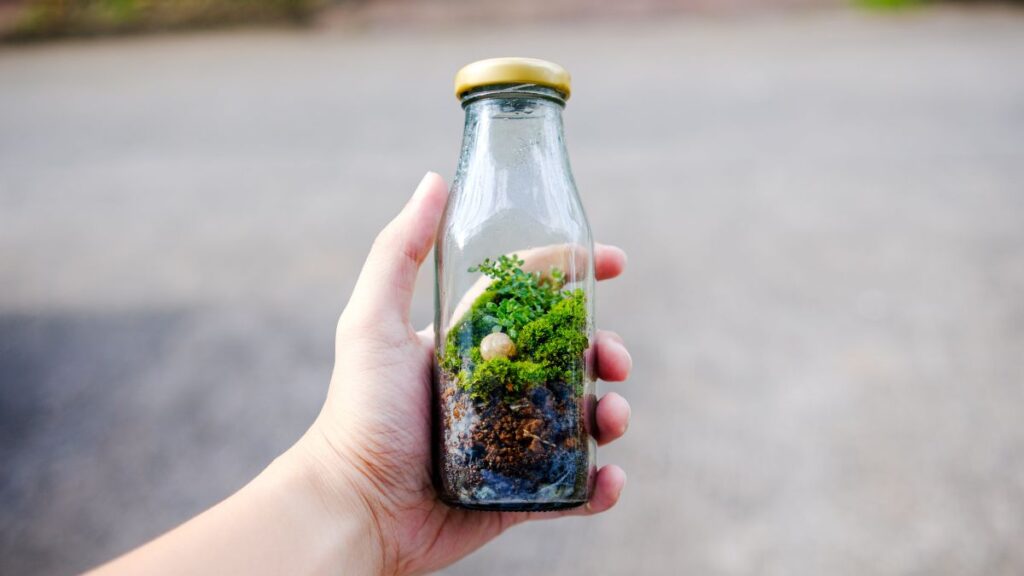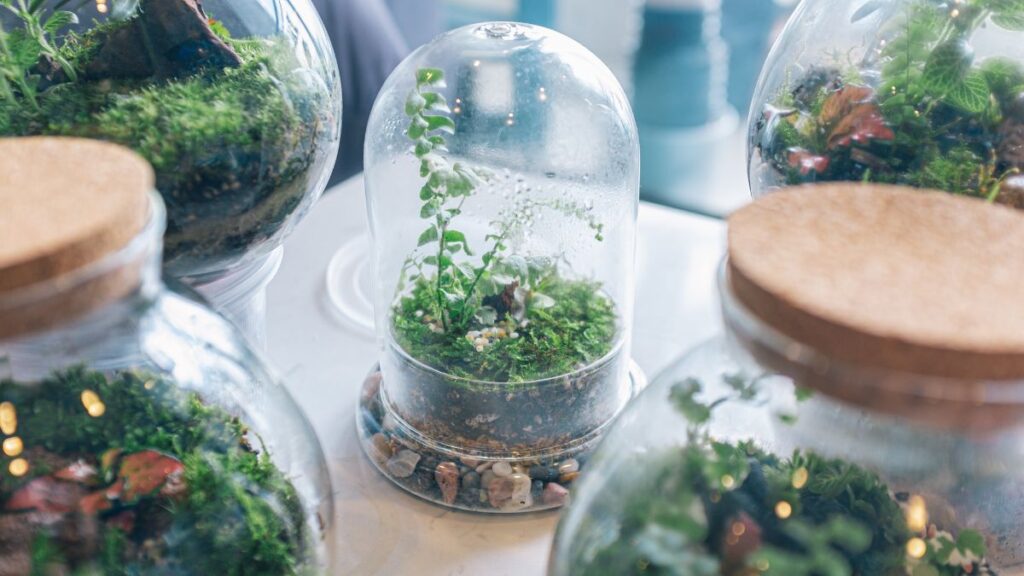
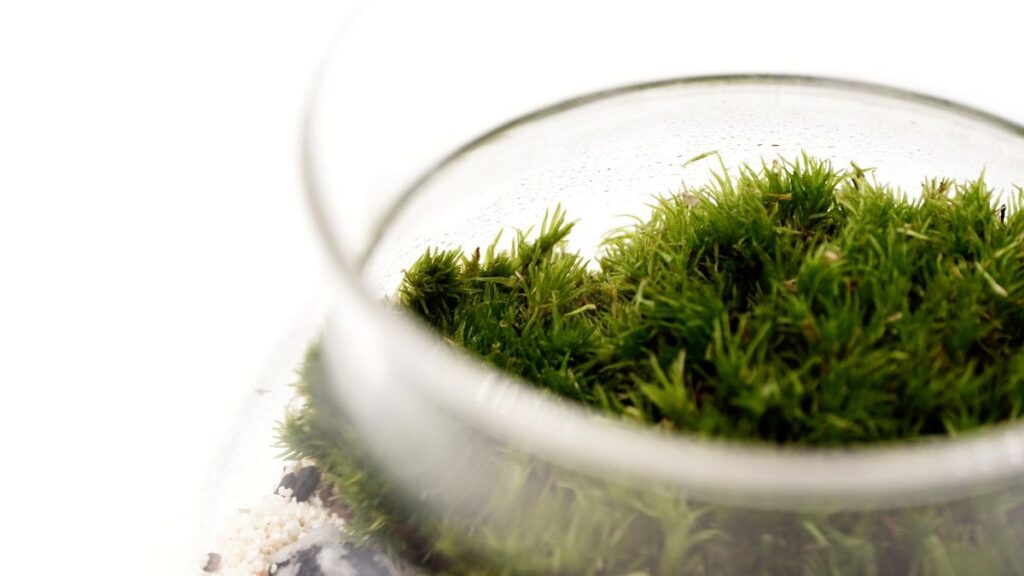
Watching a micro terrarium ecosystem thrive is a rewarding experience, especially when you see subtle helpers like microfauna working unseen. In healthy setups, these tiny organisms tackle dead leaves, leftover food, and organic debris, making cleanup almost automatic.
The natural waste breakdown performed by microfauna prevents odor buildup and helps plants flourish. Microfauna recycle nutrients with remarkable efficiency, ensuring even a minimalist terrarium maintains balance and lower maintenance needs year-round.
To see your micro terrarium truly self-sustain, it helps to understand how microfauna do their job. Use this article to discover concrete rules, actionable lists, and proven care strategies to build and maintain a clean, living terrarium ecosystem.
Picking the Right Microfauna for Your Terrarium Setup
Choosing the proper microfauna lays the foundation for lasting waste breakdown in a micro terrarium ecosystem. Exact species and combinations foster specific results.
Start by considering your plant and substrate choices, then match microfauna species to your waste breakdown goals. Isopods, springtails, and certain mites serve distinct roles in ensuring a balanced environment.
Checking Isopod Fit for Your Ecosystem
Look for observable food sources such as leaf litter and decaying stems before adding isopods. These larger microfauna aid most when plenty of organic debris is present.
A keepers’ script: “I’ve added leaf litter and woody parts; I introduce dwarf isopods now for steady cleanup and calcium cycling, especially if I keep delicate mosses.”
Test for excess versus bare patches; if plants show yellowing, isopods may be over-consuming. Reduce their number or supplement with tougher leaves. Adjust in weekly increments.
Integrating Springtails for Mold Control
Springtails excel in damp terrariums, thriving in closed containers with consistent moisture. Their fast movement signals optimal humidity, and they’re excellent at eating mold and breaking down minuscule scraps.
Observe springtail clusters on substrate or glass. If they migrate upward and cluster near the lid, check for excessive condensation or insufficient airflow.
Introduce fresh springtail cultures when visible numbers decrease after major cleanouts. Always use dechlorinated water to prevent harm and maintain their active waste disposal role.
| Microfauna Type | Main Role | Ideal Terrain | What to Do Next |
|---|---|---|---|
| Isopods | Leaf and wood breakdown | Damp, organic-rich substrate | Add after wood and leaves are present |
| Springtails | Mold and tiny debris | Moist, well-aerated | Introduce with moss and check water |
| Micro-mites | Fungi and small debris | Humid, decomposing leaf litter | Add with leaf layer, observe plant roots |
| Enchytraeid worms | Mixing and aeration | Loose, fluffy soils | Sprinkle in with first substrate layer |
| Soil nematodes | Tiny detritus, soil health | Universal | Encourage by avoiding chemical additives |
Building and Maintaining a Balanced Cleanup Crew
Establish a process for selecting, introducing, and supporting your microfauna to keep micro terrarium ecosystems healthy and low-maintenance.
Successful keepers use regular observation and a simple weekly checklist to prevent imbalances as microfauna populations shift alongside plant growth and seasonal changes.
Timing Introductions for Best Microfauna Performance
Wait until the initial terrarium plants have acclimated to their environment, usually two to four weeks after setup. Then, introduce microfauna in small batches.
- Start after the first leaf or moss patch roots itself to reduce microfauna stress and boost survival chances for both organisms.
- Scatter microfauna on slightly damp substrate so they can settle quickly. Avoid sudden dry or soaked conditions, which may drive microfauna out of sight or cause die-back.
- If adding multiple types, space introductions by at least a week. This gives you time to spot which microfauna thrive and where populations need topping off.
- Observe initial activity for 48 hours. If microfauna cluster in corners or above substrate, fine-tune humidity until they start exploring evenly.
- Refrain from adding fertilizer or pesticides during and after introductions. These chemicals can kill off new microfauna or disrupt natural breakdown cycles.
Monitor and keep a log: every seven days, write down visible activity, plant condition, and any algae or mold growth. Over time, you’ll spot patterns for adjustments.
Keeping Microfauna Working Efficiently With Targeted Support
Sustain healthy microfauna by offering a steady supply of organic debris for them to eat and, when needed, extra calcium sources for isopods.
- Add leaf litter in small doses every three weeks. This ensures microfauna always have food while avoiding foul smells, which signal excess waste.
- Offer cuttlebone fragments in isopod-heavy setups to support their exoskeleton formation, especially in moss-dominated micro terrariums.
- Test humidity with a sensor or by touch weekly. Aim for slightly moist—not soggy—substrate. Dryness slows microfauna; excess moisture boosts fungi that compete with your crew.
- Stir the top substrate lightly every month, especially if waste or mold accumulates. This encourages aeration and disperses both microfauna and nutrients more evenly.
- If populations seem low, seed fresh starter cultures. Overcrowding, however, means cut back food to avoid mildewy conditions that harm both microfauna and plants.
Use targeted, scheduled support instead of random interventions to maximize natural waste breakdown and avoid emergencies down the line.
Preventing and Solving Common Microfauna-Related Waste Issues
When microfauna balance shifts, waste can linger or new problems develop. Address specific signs quickly and use a structured approach for course correction in micro terrariums.
Microfauna may struggle with waste breakdown after major overhauls, rapid substrate drying, or improper food inputs. Use direct observation and response for each scenario.
Addressing Slow Waste Breakdown With Microfauna Boosts
If you see hard, unbroken leaves remaining despite active microfauna, the problem is likely insufficient food variety. Add a few small pieces of softer leaves weekly for quicker decomposition.
If waste accumulates at the glass edges, it may signal overcrowded or declining microfauna populations. Top up with springtails or isopods and adjust humidity to match their preferred level for best results.
One keeper notes, “Whenever my microfauna seem sluggish and the glass fogs up, I lift the lid for ten minutes to let fresh air in.” Copy this for fast rebound in waste processing rates.
Fixing Mold and Mildew Surges With Springtail Interventions
If visible white patches appear, and microfauna shy away, act fast: increase springtail numbers and reduce watering intervals by 20%. Mold dies back within a week as springtails regain control.
For persistent musty odors, scrape away the thickest mold zones and ensure any decaying wood is removed. Resume microfauna support afterward for lasting waste management and less recurring growth.
“When I notice a musty patch, I gently scoop it out and drop in more springtails,” shares another hobbyist. This direct intervention consistently refreshes the waste ecosystem.
Daily and Weekly Microfauna Maintenance Habits to Adopt
Implement observable routines to keep your cleanup crew active and effective in micro terrarium systems. These small, repeatable steps reinforce natural balance each week.
Most daily checks take under three minutes. Small actions, repeated regularly, help microfauna flourish and keep waste from piling up unnoticed.
Establishing Quick Daily Observation Routines
First thing in the morning, look for microfauna visible at the substrate surface or exploring glass. If activity declines, check if humidity is off or if new plant debris has built up overnight.
Touch-test the soil. Slightly damp but not muddy substrate means microfauna are likely thriving. If the surface feels dry, spray gently with dechlorinated water; if soggy, air out briefly by tilting the lid.
Whenever you spot white mold or blackened debris, note the patch size in your logbook. Make minor adjustments the same day rather than letting waste issues compound.
Setting Up a Reliable Weekly Microfauna Care Checklist
Every seven days, clear any obvious dead plant pieces and drop in a tiny handful of new leaf litter to keep your microfauna fed and active.
Wipe condensation from glass with a lint-free cloth or paper towel, taking care not to disturb the substrate or microfauna below. This keeps sightlines clear for tracking activity.
Count visible isopods and springtails in three random substrate spots. If numbers dip, top up cultures and check for habitat changes affecting population growth or health.
Using Microfauna to Improve Air, Soil, and Plant Health
Leveraging microfauna leads to benefits that go beyond cleaner terrariums. Healthy populations directly enhance air circulation, nutrient cycling, and overall plant vigor.
Think of microfauna as both janitors and miniature gardeners—a living system working on your behalf every moment, without noise or power.
Supporting Soil Structure and Nutrient Availability
Active microfauna dig tunnels, mix organic and mineral particles, and boost oxygen movement to plant roots. Healthy roots grow thicker, and new shoots appear more frequently.
Enchytraeid worms excel in mixing soil. Their tunnels allow tiny plant roots to reach nutrients released by decomposed debris, making growth more robust over months.
“When my roots started branching in new directions, I realized the microfauna were quietly aerating and feeding the substrate,” explains a long-time terrarium hobbyist. Routine support reaps similar rewards in most systems.
Boosting Air and Water Quality for Delicate Plants
Microfauna keep mold and anaerobic bacterial growth down, which helps maintain clearer air and prevents leaf spotting, common in poorly ventilated setups.
Improved waste processing also creates a gentle cycling of water and nutrients, supporting humidity-loving species like ferns and mosses in lush, self-sustaining micro terrarium habitats.
When you consistently apply proven microfauna care habits, plants show richer color and recover faster from stress, making your ecosystem visibly healthier week after week.
Frequently Asked Questions
What are the most effective microfauna for terrarium waste management?
Springtails and isopods are widely recommended for managing waste in micro terrarium ecosystems. These microfauna efficiently recycle debris, suppress mold, and support nutrient cycling for plant health within contained spaces of all sizes.
How often should I add new microfauna to a closed terrarium?
After initial introduction, new microfauna usually aren’t needed unless you observe population losses, recurring odor, or persistent mold. Topping up every few months is typical, especially after major substrate cleanouts or plant replanting sessions.
Can microfauna survive without leaf litter or wood?
Microfauna require organic material such as leaf litter and decaying plant matter to feed and reproduce. Without regular debris input, their numbers may decline and waste breakdown efficiency drops, leading to visible buildup or nutrient imbalances.
Do microfauna pose any risk to terrarium plants?
Properly introduced and balanced microfauna rarely harm healthy terrarium plants. Overcrowding can lead to overgrazing soft mosses, but this is resolved by moderating microfauna numbers or providing alternative food sources such as brown oak leaves or wood pieces.
How can I tell if my microfauna setup is working as intended?
Observable signs of a well-functioning microfauna crew include minimal lingering debris, rich soil color, minimal odor, and lush plant growth. Routine logs and activity checks allow you to spot issues early and tune the ecosystem for continued success.