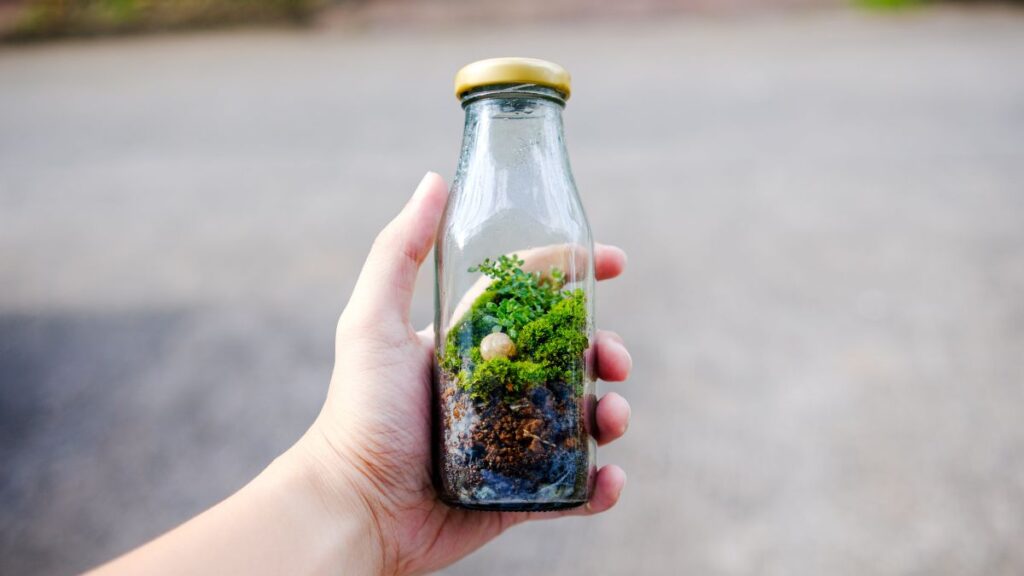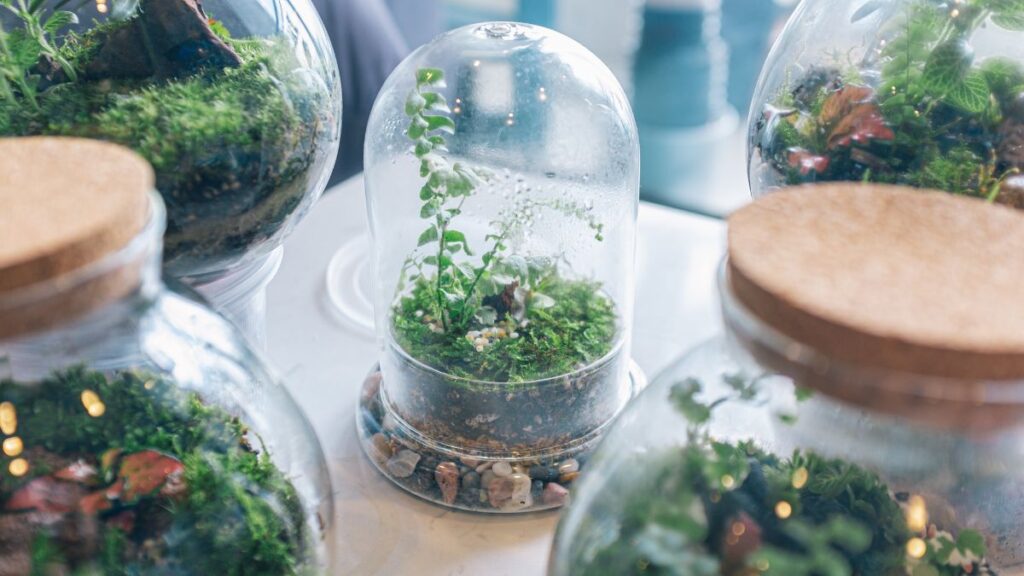
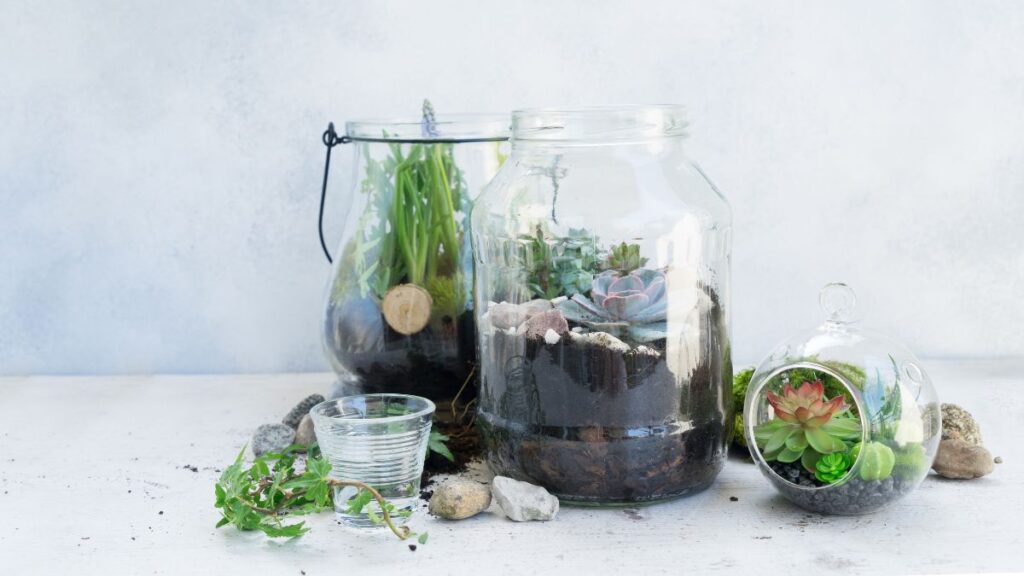
Introducing a gorgeous plant to a micro terrarium ecosystem can feel as satisfying as perfectly arranging cherished books on a shelf. Yet, without mindful plant quarantine, contaminants slip in unnoticed.
These invisible threats, like pests or mold spores, sneak onto new botanical additions. One overlooked leaf lets danger fester, quietly undoing your hard work in micro terrarium environments where balance is delicate.
Explore this guide to spot, prevent, and halt contamination through plant quarantine. You’ll gain tools and confidence to keep your mini ecosystem vibrant and pest-free for the long haul.
Gaining Control: A Clear Quarantine Plan Keeps Your Micro Terrarium Safe
Setting up a plant quarantine routine means new plants won’t carry pests or disease into a thriving micro terrarium ecosystem. Your diligence now prevents long-term problems.
With plant quarantine, you get a step-by-step chance to observe and treat new arrivals. Separate space means issues show up clearly, so interventions can happen before introduction.
Choosing a Quarantine Location With Intention
Pick a spot at least ten feet from your main micro terrarium setup. Shelves, windowsills, or separate rooms work. This physical barrier slows pest migration and lowers contamination risk.
Quarantine containers with transparent sides let you spot symptoms: leaf discoloration, webbing, or odd movement. Use a clear or mesh-covered enclosure to maintain airflow but block insects and spores.
Designated labels on pots keep new arrivals organized. Mark the plant’s arrival date visibly on each container as a visual countdown—no guesswork when it’s time for inspection or release.
Key Steps To Set Up an Effective Quarantine
First, remove visible soil to eliminate hitchhiking eggs or larvae. Gently shake excess soil, then repot with sterilized substrate suited for micro terrarium ecosystems.
Wipe outer leaves and stems with a damp, lint-free cloth. If a leaf feels sticky or rough, check for insects like aphids. Remove any debris or damaged growth immediately—don’t wait for issues to show.
Place the plant in quarantine for 14 to 21 days. Inspect under leaf surfaces and within soil daily under bright light. Log any signs of mold, pests, or wilt for quick reactions.
| Quarantine Step | Duration | Tools Needed | Takeaway |
|---|---|---|---|
| Isolate new plant | 14-21 days | Clean container, label, space | Detect and block hidden pests fast |
| Change substrate | First day | Sterile mix, gloves, scoop | Stop soil-borne threats early |
| Daily checks | Every day | Bright light, magnifier | Catch symptoms before they spread |
| Clean leaves/stems | First/weekly | Damp cloth, brush | Remove pests’ hiding spots |
| Document issues | Immediate | Notebook/app | Stay proactive and organized |
Inspecting New Arrivals: Spotting Issues Before They Spread
Inspection after plant quarantine isn’t just about glancing at leaves. You’ll look for subtle cues—curled edges, fuzzy white spots, or pinpricks on stems. Act promptly to maintain terrarium health.
Take your time: examine both the top and underside of each leaf. Pass your finger across surfaces to detect sticky residue or webbing, which signal insects at work.
Microscope and Flashlight Techniques
Use a pocket microscope for plant quarantine in micro terrariums. You’ll see hidden mites or eggs invisible to the naked eye, especially in soil cracks or leaf nodes.
- Shine a flashlight behind the leaf. Backlighting reveals spider mite webbing quickly.
- Rotate the plant 360 degrees during inspection. This ensures no angle gets missed by accident.
- Swipe a sticky note over stems. Any debris or pests adhere, showing what’s present.
- Smell soil. An earthy, neutral scent signals health; musty or sour notes suggest mold or rot.
- Compare to healthy reference plants. Variations in color or shape jump out by contrast.
Record findings from every session. Jot observations in a plant quarantine log; for instance, “Observed white fuzz on leaf 2, day 5.” Accuracy gives you context if symptoms progress.
Weekly Watering Habits During Quarantine
Limit watering to required minimums in plant quarantine. Soggy environments enable fungal spores to multiply. Use sterile, room-temperature water and let excess drain away.
- Check surface dryness with a fingertip before adding more water.
- Keep watering schedule markedly lighter than inside the main terrarium. Lower humidity during quarantine discourages mold growth.
- If roots yellow, adjust by decreasing frequency or letting airflow dry soil between sessions.
- Tilt pot slightly after watering so liquid pools at one side—inspect if roots show signs of rot after a few hours.
- Always remove standing water from saucers. Pests and fungus gnats breed in stagnation faster than you’d guess.
Consistency allows you to swiftly compare how the plant responds—steady routines minimize stress and catch signs of trouble quickly.
Prioritizing Preventative Care as the Foundation of Healthy Ecosystems
Plant quarantine creates a window to treat, feed, and prep each new plant long before it meets your established micro terrarium ecosystem. Early care boosts resilience, reducing future stress.
Preventative sprays applied in plant quarantine shield against fungal, bacterial, and insect threats. Apply a diluted neem solution or safe horticultural soap for a targeted defense without residue build-up.
Mini-Checklist for Every New Micro Terrarium Addition
Check roots for firmness and white color—mushy, brown roots signal decay. Roots that spring back with gentle pressure are healthy and ready for micro environments.
Scan stems for any bumps or textured lines. Swelling, blisters, or rust spots often indicate fungal or pest invasion during plant quarantine.
For thick-leaved plants like Peperomia or Cryptanthus, examine folds and bases. Pests tend to nestle deep inside. Use a cotton swab to reach into crevices safely.
Applying Proactive Treatments on a Fixed Schedule
Spray a diluted neem oil mix every seven days during plant quarantine. Mist early in the day so leaves dry before evening to prevent fungal blooms.
Wipe with a soft, wet cloth to distribute natural treatments. Focus on joints where leaf meets stem. Dry after wiping to prevent mold.
Set calendar reminders for treatments and inspections. Timeliness prevents new issues from becoming hidden or chronic in your micro terrarium ecosystem.
Troubleshooting: Common Signs of Contamination and What To Do Next
Swift action during plant quarantine ensures minor problems don’t become ecosystem-wide catastrophes. Recognizing warning signs early forms your first line of defense.
Odd color shifts—yellowing, browning, or black spots—almost always point to contamination. Isolate these plants from both the quarantine and main terrarium to keep problems in check.
Responding to Contaminated Arrivals
If you spot crawling pests like thrips or aphids, immediately remove the affected plant from quarantine and seal it in a clear plastic bag. This traps pests and stops them spreading.
Treat visible fungal patches by cutting away affected tissue and dusting the remaining wound with cinnamon or a sulfur-based fungicide. Always discard blades after use to curb cross-infection.
For viral symptoms, such as deformed leaves, dispose of the plant altogether. There’s currently no cure for many viral issues, so quick removal protects your terrarium’s integrity.
Building and Maintaining a Clean Quarantine Space
Disinfect the quarantine container or trays with a solution of one part bleach to nine parts water. Let surfaces dry fully before returning any plant or tool to the area.
Store basic tools for plant quarantine—magnifiers, tweezers, and brushes—in a separate container. Never bring these into your main terrarium spaces without full cleaning.
Train yourself to check hands for soil and debris before every session. A quick wash in warm, soapy water makes a big difference.
Releasing New Plants: The Final Step in Micro Terrarium Quarantine
Once plant quarantine ends, each new arrival must pass a final exam. Only integrate plants that stay symptom-free, pest-free, and vigorous after two to three weeks of close scrutiny.
Before introduction, gradually match light, temperature, and humidity of the micro terrarium. This transition lowers the shock, helping all plants settle without inviting stress-related infections.
Stepwise Reintroduction Process for Success
Begin by setting the plant at the terrarium’s edge for a day. Observe daily—strong, upright posture signals readiness for full integration.
If leaves wilt or drop, pause and return the plant to its plant quarantine spot. Let it recover and reevaluate for unseen stressors or pests. Patience pays off.
Once settled, arrange the new plant where airflow remains steady but gentle. Avoid pressing foliage directly against glass, as trapped humidity fosters unwanted mold.
Checklist for Post-Quarantine Success
Ensure no standing water surrounds the plant base when you place it inside. Water sparingly and space leaves to boost air movement. This keeps micro terrarium contamination in check.
Resist crowding plants. Plants with elbow room seldom swap pests. If necessary, rotate the arrangement every few days to observe compatibility and notice any delayed symptoms.
Log introductions by date. Note plant response, so you have a record to refine your plant quarantine system for future arrivals.
Preventing Contamination: Practical Daily Habits for Micro Terrarium Owners
Daily vigilance sustains a thriving micro ecosystem. Simple, repeatable routines become the backbone of successful plant quarantine integration for every new plant.
Implement a “shoes-off” policy for hands and tools when switching between quarantine and your main terrarium. This lowers spore or pest transfer risk, much like wiping feet before entering your home.
- Wash hands before touching any terrarium plant post-quarantine. Clean hands mean fewer transferred pathogens.
- Disinfect pruning shears after each use. One contaminated cut can infect every plant in seconds.
- Keep a visual chart that tracks each plant’s introduction date and outcome. Trends reveal where plant quarantine needs recalibrating.
- Open terrarium lids in a draft-free space. Wind quickly dislodges spores onto healthy plants before you notice.
- Remove dying leaves promptly, whether during plant quarantine or in the terrarium, to cut off disease before it spreads further.
Regular habit checks—weekly at minimum—safeguard your micro terrarium with little daily investment, reinforcing success with each new arrival.
Staying Consistent: Building Reliable Rituals for Every New Micro Terrarium Addition
Every habit and observation in this plant quarantine process becomes smoother with practice. Write out step lists for the first batch of plants; habits stick faster in writing.
Consistency here means fewer surprises. Even small shortcuts eventually show up as big issues in tightly balanced micro terrarium ecosystems. Over time, plant quarantine becomes second nature.
Plant quarantine logs, calendar reminders, and habit trackers — simple paper or digital tools — keep your process on track and reduce mental fatigue.
When you catch problems early, document solutions and results. Over months, this builds a troubleshooting guide tailored to your unique ecosystem and typical plant sources.
Share tips, log templates, and success stories with other enthusiasts. Improving plant quarantine together raises the standard for micro terrarium health everywhere.
Frequently Asked Questions
1. How long should I keep new plants in plant quarantine before adding to my micro terrarium?
Fourteen to twenty-one days is recommended. This window lets you observe for hidden pests and diseases. Only integrate new plants if they remain healthy throughout the plant quarantine period.
2. Can I reuse soil from plants that underwent plant quarantine?
It’s best to discard old soil after quarantine. Reusing substrate carries the risk of transferring eggs or spores to your micro terrarium, even if a plant appears healthy.
3. Which signs on leaves signal I should discard a quarantined plant?
Yellow, curling, or spotted leaves, sticky residue, webbing, and visible pests are strong reasons. If you find recurring fungal or viral symptoms, it’s safer to dispose of the plant entirely.
4. What’s the most common mistake people make with plant quarantine in micro terrariums?
Most skip daily inspections or rush reintroduction. Consistent checks and gradual integration ensure you don’t introduce an unseen threat to your ecosystem inadvertently.
5. How do I safely clean tools between quarantine and general terrarium maintenance?
Use a bleach solution or isopropyl alcohol. Let tools air dry completely before reusing them with your main terrarium. Consistent cleaning is vital for preventing disease transmission.