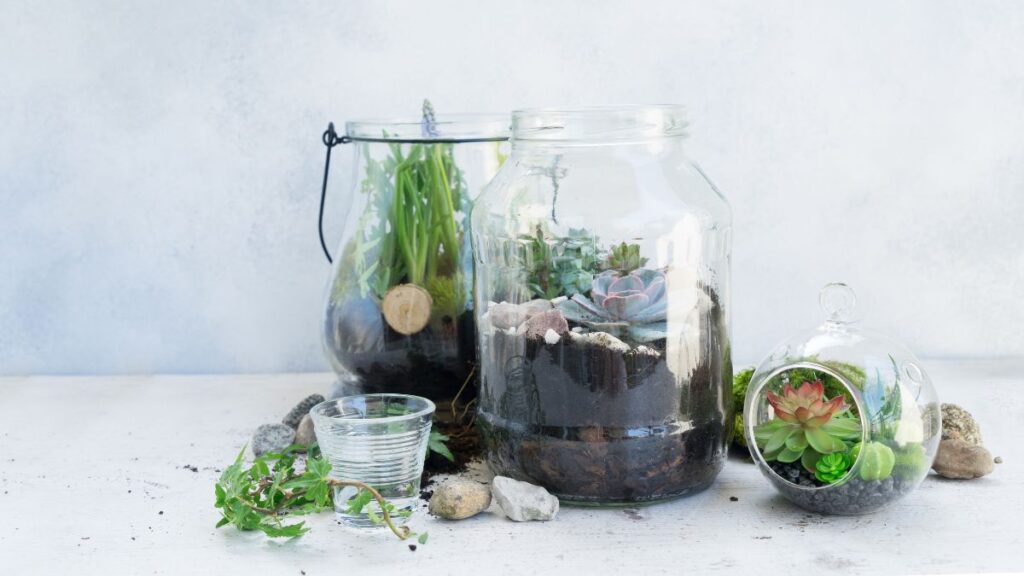
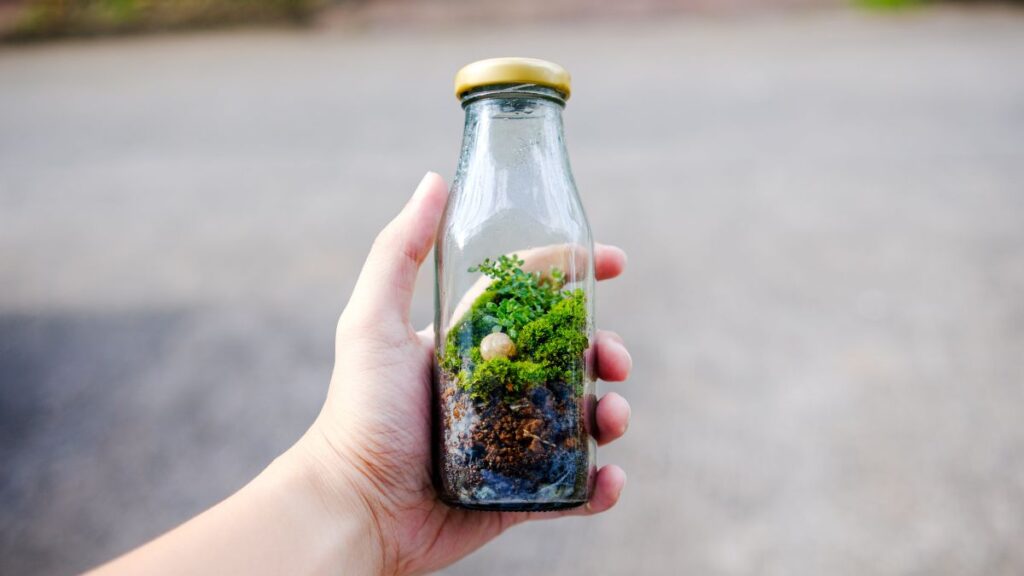
Miniature water features in micro terrariums add a tranquil touch, but they can quickly turn unsightly with algae blooms. Algae monitoring transforms occasional glances into routine, easy checks. It saves both effort and plants in these carefully balanced environments.
Micro terrarium ecosystems may seem self-sustaining, yet even minor imbalances disrupt clarity and water quality. Unmanaged algae growth upsets aesthetics and plant health, making vigilance essential for any terrarium keeper striving for longevity.
Curious about simple steps for algae monitoring that truly work? Dive into these strategies, checklists, and real scenarios to turn crystal-clear water into a lasting terrarium signature.
Setting Clear Rules for Algae Monitoring in Miniature Water Features
Defining what successful algae monitoring looks like helps avoid confusion and supports consistent outcomes. Set yourself up with regular tasks and touchpoints, just like watering plants on a schedule.
Incorporating a five-minute routine every week prevents algae takeover before it can get established. Algae monitoring isn’t about guesswork; it’s about transforming observation into action.
Visual Cues and Tactile Checks
Spotting faint green or brown tints at water edges is your first warning sign. Gently run a skewer along the glass surface to feel for sliminess, indicating early algae buildup. These checks take seconds but reveal what’s lurking below the surface.
Avoid waiting for dramatic shifts—consistency uncovers changes early. Even subtle cloudiness or surface films count as actionable findings. Write down what you see and touch, so patterns don’t slip through the cracks.
Pair each sensory observation with a prompt—for instance, “When I see a faint halo, I’ll change a quarter of the water.” Linking cues with responses makes algae monitoring automatic.
Water Clarity Standards and Safety Thresholds
Create a clarity scale: clear, hazy, cloudy, opaque. Most terrariums should remain “clear to hazy.” If visibility drops below this for more than two days, take intervention steps such as testing water parameters and removing moss or stones for rinsing.
Safety thresholds also include odors. Any musty or sour smell signals too much biological activity. Getting nose-level with the water once a week keeps subjective standards honest and consistent.
This approach keeps surprises rare. Record every assessment—even “all clear” means your algae monitoring process is working and worth repeating.
| Observation | Action | Frequency | Next Step |
|---|---|---|---|
| Faint green film | Partial water change | Weekly | Check light intensity next |
| Cloudy water | Remove debris | Immediate | Test pH level |
| Odor detected | Increase ventilation | As needed | Review plant health |
| Algae on décor | Scrub gently | Monthly | Consider UV cover |
| No visible change | Continue routine | Weekly | Log results |
Maintaining Light Balance to Discourage Algae in Water Features
Control over light exposure prevents most algae issues in micro terrarium ecosystems. Use strategic adjustments to minimize the risk while still keeping your plants healthy.
Focus on natural cycles and indirect lighting; direct sun ignites aggressive algae blooms. Algae monitoring starts at the lamp or window—schedule checks just as you water or prune.
Reduce Light Intensity with Simple Shading
Shade your water feature for part of the day by moving the terrarium or using a sheer curtain. Reduced light means less fuel for algae. If you’re using a grow light, set a timer for shorter exposure.
- Set timer to limit grow light to 8 hours daily, maintaining healthy photosynthesis while slowing algae production.
- Place thin paper or mesh over terrarium glass to filter strong sunlight—plants thrive, algae sulk.
- Rotate terrarium position weekly for even light and reduce “hot spots” prone to blooms.
- Observe plant response—if ferns look dull, ease shading, but monitor water for clarity during changes.
- Keep a log of which shading tweaks have positive or negative effects on algae presence. Review whenever you change seasons or room setups.
Adjustments are reversible—test, observe, and adapt. Algae monitoring means that every tweak can be measured and refined.
Strategies for Short, Cloudy Days
Gray weather brings less light and can dull plant color. Counteract with reflective backgrounds behind the terrarium to maximize every lumen, but avoid doubling intensity on water areas.
- Install mirrors at angles to bounce indirect light, keeping energy focused on plants and away from water features.
- Move artificial lights closer during short days, but watch for condensation or heat buildup. Algae like warmth as much as light.
- Skip extra fertilizer on low-light days. Algae can outcompete plants for nutrients when growth is slow.
- Pause heavy watering during stretches with less sun to reduce nutrient-rich puddle formation.
- Record when and how you alter the setup—algae monitoring becomes easier when you spot patterns tied to weather or lighting experiments.
Responding proactively to seasonal changes gives you a head start before algae become visible.
Practical Adjustments for Consistent Algae Monitoring Results
Building an actionable workflow takes the guesswork out of algae monitoring. Step-by-step routines make each check quick, easy, and evidence-based.
Copy these sample routines to catch issues early, allowing faster corrections and reducing disruption to micro terrarium ecosystems.
Weekly Water Condition Assessment: Step Sequence
Start by noting water level, then skim the surface for floating debris. Glance at plant leaves submerged or touching water—any spots or discoloration may point to initial algae buildup.
Lift small stones or figurines to examine hidden crevices—algae start in shaded nooks. Finish with a flashlight check, angling light to enhance visibility of any films or color changes in the water.
Jot down findings in a weekly log. For example, “Saw faint green at edges, removed 10% water, checked lamp position.” Algae monitoring memory aids reinforce the habit and make patterns jump out faster.
Integrating Algae Monitoring with Other Terrarium Care Tasks
Pair algae checks with regular plant maintenance: trim any overgrowth, wipe off lids for condensation, and top up substrate levels if needed. These short add-ons keep overall conditions balanced and alerts you to hidden issues.
Practice a script like, “After I remove dead leaves, I’ll inspect the water edge for algae,” so the routine flows naturally. This equation keeps tasks linked and quick.
Reward yourself for consistency—a visible, thriving water feature is a satisfying result of effective algae monitoring and good terrarium hygiene.
Deploying Targeted Tools and Natural Inhibitors to Limit Algae
Using smart tools and methods gives you a reliable arsenal for algae monitoring. Accessible gadgets and living helpers both play a role in sustainable control.
Basic equipment plus natural allies let you take action confidently when issues appear, keeping your micro terrarium ecosystem in check.
Tech Tools: Effective, Easy, and Budget-Friendly
Magnifying glasses, plastic tweezers, and aquarium-style test strips form the starter kit for most algae monitoring tasks. Use the magnifier to check for color shifts and early biofilm layers.
Test strips catch chemical imbalances—run a quick dip test to flag nitrate or phosphate levels linked to algae surges. Tweezers allow gentle removal of visible strands or mats before escalation.
Timers and grow light dimmers let you fine-tune environmental variables, preventing algae outbreaks from simple overexposure.
Adding Natural Algae Fighters to Your Ecosystem
Incorporate mini-snails or freshwater shrimp if safe for your setup. These inhabitants graze on algae films, supporting routine monitoring and tackling small outbreaks.
Live moss and certain floating aquatic plants compete with algae for nutrients, acting as natural suppressors. Position them strategically around water features for layered protection.
Pair living controls with manual routines; together, these mechanisms reduce the load and frequency of intense cleaning sessions without disrupting terrarium aesthetics.
Refining Your Daily and Weekly Algae Monitoring Checklist
Creating a personalized checklist ensures no step is missed, especially when multiple tasks compete for your attention. Every item acts as a reminder to keep micro terrarium ecosystems thriving.
Adapt this sample checklist, then refine to match your schedule, setup, and plant selection, revising as your experience and confidence grow.
- Observe water clarity at each glance—train your eye for subtle shifts, jotting quick notes on fade, fogginess, or film appearance.
- Test water parameters weekly, checking pH, nitrate, and phosphate with strips. High readings suggest nutrient imbalance driving algae growth.
- Wipe exposed surfaces gently with cotton swabs, focusing on corners and substrate-edges that trap organic debris and shelter early algae.
- Trim and thin aquatic or semi-aquatic plants near the waterline, giving excess leaves less chance to rot or block circulation.
- Log routine changes—time since last bulb swap, adjustments to feeding regimes, or substrate refresh dates help correlate conditions with algae trends easily.
A checklist brings structure, fosters routine, and fast-tracks troubleshooting for cleaner terrariums.
Adapting Algae Control Techniques When Challenges Arise
No setup is immune to algae invasions, and occasional spikes are part of living systems. Flexibility helps you adapt without panic, bringing micro terrarium ecosystems back into their balanced state using direct action.
Adaptation means testing new approaches, observing effects, and refining strategies as evidence builds. Use failure for learning, not frustration, in the algae monitoring journey.
Action Steps for Visible Algae Surges
If you notice a sudden green burst, siphon out 20% of the water with a pipette, then rinse stone and décor gently. Shorten light exposure for the week and retest water quality after three days.
Add a small handful of floating moss to outcompete algae for nutrients. Reinforce air exchange by propping open the lid slightly for improved movement overnight.
If growth resurges, try safe commercial algae treatments for micro-ecosystems as a last resort, but always retest all levels to avoid harming your plants.
Long-Term Prevention through Environmental Tweaks
Keep terrarium glass clean both inside and outside. Dust and fingerprints outside can reduce light quality and create warm spots, boosting algae’s chances even if you never notice the buildup.
Rotate water feature positions within your container every month to disrupt algae lifecycle and keep visual interest high. Each move alters light and nutrient dynamics, favoring healthy plants over persistent green films.
Celebrate visible progress and consistent clarity by comparing month-old photos. Algae monitoring is easier when results are both visible and recorded for reference over time.
Routine Algae Monitoring Builds Resilient Micro Terrarium Ecosystems
Algae monitoring prevents fragile micro terrarium water features from losing their allure. A blend of steady checks, adaptive tweaks, and natural allies preserves clarity and supports all ecosystem members.
Flexibility and observation let you correct problems without stress, using the same gentle hands that built your living landscape. The goal: lasting balance, not perfection.
Let algae monitoring anchor your care schedule. Each routine check and response strengthens your connection to the terrarium, turning each inspection into another triumph for your mini ecosystem.
Frequently Asked Questions
How quickly can algae become a problem in a micro terrarium water feature?
Algae can develop within a week, especially after introducing new water or plants. Regular algae monitoring—at least weekly—catches outbreaks early and prevents exponential spread.
What’s the best way to remove algae without harming terrarium plants?
Use soft brushes or cotton swabs to gently dislodge algae from surfaces. Never use soap or strong chemicals, as residues harm sensitive roots and aquatic life in closed ecosystems.
Are commercial anti-algae products safe for micro terrariums?
Some are, but always check that the product is formulated for small, enclosed aquatic environments before use. Test water parameters after use, as even “safe” products may shift balances.
Do living snails or shrimp help control algae in miniature water features?
When chosen carefully and matched to the ecosystem’s scale, these grazers naturally limit algae. Avoid overcrowding; one or two are usually plenty for typical micro terrariums.
Is it possible to eliminate algae entirely in a micro terrarium?
Total elimination isn’t realistic. Instead, aim for balance: visible algae should be minimal and not disrupt aesthetics or plant health. Persistent algae means reviewing all variables using your monitoring checklist.