Few projects reward curiosity quite like building a micro terrarium ecosystem. Once you begin mixing that first batch of terrarium soil, you realize how much every grain, fiber, or stone shapes the life growing inside your glass world.
Getting terrarium soil right isn’t just about plant happiness—it’s about stability, clean air in a closed container, and watching roots thrive with minimal human interference. Healthy soil is the foundation for every thriving miniature habitat.
Throughout this guide, you’ll discover soil-mixing rules, techniques, and real recipes tailored to the unique needs of ferns, mosses, succulents, and more. Setting up a micro ecosystem gets easier, and your tiny plants show it.
Choosing Substrates That Match Plant Demands
Understanding substrate basics makes every blend purposeful. Pairing the right materials with your chosen species means you avoid root rot and help your terrarium soil last longer without refreshing.
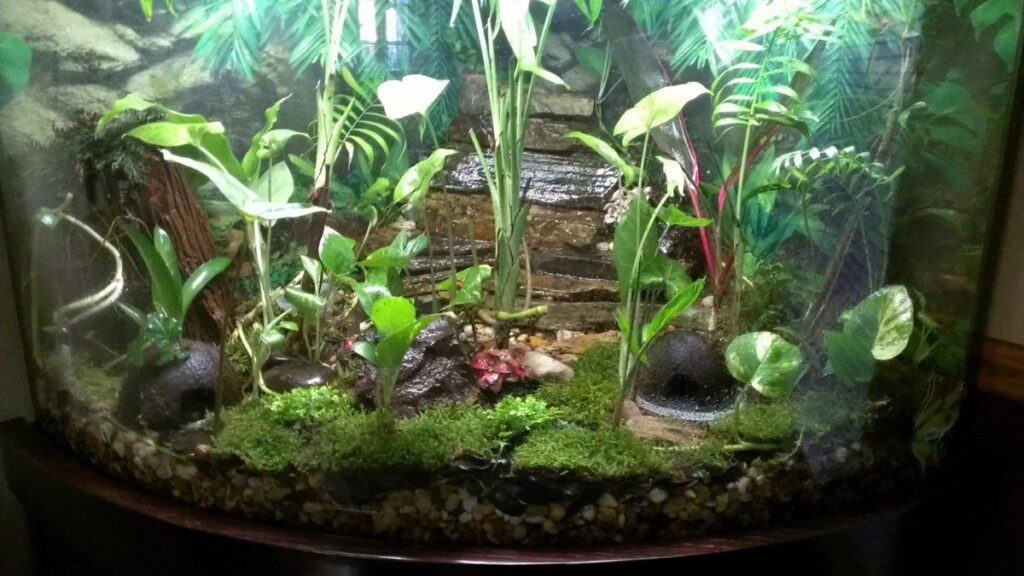
Think about a rainforest microclimate: the topsoil there stays moist but never soggy. For ferns, you’ll need a blend that mirrors this condition—light, spongy, but well-draining terrarium soil at its core.
Visual Cues and Testing Moisture Levels
Check soil texture often—when squeezed, well-mixed terrarium soil for mosses should hold its shape, yet crumble when shaken. Dark, slimy patches signal too much moisture or poor drainage. Mushy zones are a cue to adjust composition immediately.
Pick up a handful and press it: if it forms sticky clumps, incorporate more perlite, sand, or horticultural charcoal to loosen the mix and promote airflow, vital for closed terrarium health.
Roots poking through the glass signal a thriving plant. But yellowing or translucent patches near the roots may warn of anaerobic conditions. In this case, lighten your blend with coconut coir or leaf mold.
Matching Soil Ingredients to Microclimates
Start with a core recipe and adjust by plant type. For arid setups, mix cactus soil with an extra handful of fine gravel. Humid environments work best with peat moss and worm castings, which hold nutrients without compacting.
Orchids thrive with bark chips and sphagnum moss. This combination reflects the loose, airy floor of a subtropical forest. Each terrarium soil recipe becomes a real-world experiment, right in your hands.
If your mini rainforest suffers dry tips, mist lightly, then add more vermiculite. Each adjustment shapes the container’s humidity balance. Think of it as tuning an instrument for your plant’s needs.
| Substrate Type | Ideal Plants | Key Benefits | Action Step |
|---|---|---|---|
| Coconut Coir | Tropical Ferns, Mosses | Lightweight, holds moisture, naturally pest-resistant | Add 40% for airy, stable roots |
| Perlite | Succulents, Air Plants | Boosts drainage, prevents root compaction | Mix 20% for desert setups |
| Peat Moss | Rainforest Plants | Excellent water retention, slightly acidic | Include 25% for humidity |
| Bark Chips | Orchids, Epiphytes | Increases airflow, mimics natural habitats | Add a top layer for epiphytes |
| Sandy Loam | Mini Succulents | Superior drainage, reduces rot | Base layer for arid micro-ecosystems |
Establishing Layer Structure for Terrarium Longevity
Building effective terrarium soil starts with structured layers. A base, drainage, and cap create zones that act like natural filters, reducing unwanted pooling and extending micro ecosystem life.
Lay each part deliberately, since the wrong order traps water and suffocates roots. Structure your layers so excess moisture escapes easily, mimicking how earth filters rainfall naturally.
Anchoring Plant Roots and Preventing Rot
Firmly anchor each plant by gently pressing roots into the soil, then backfilling with your mixture. This prevents air pockets from forming and reduces wobble, keeping growth upright and stress-free.
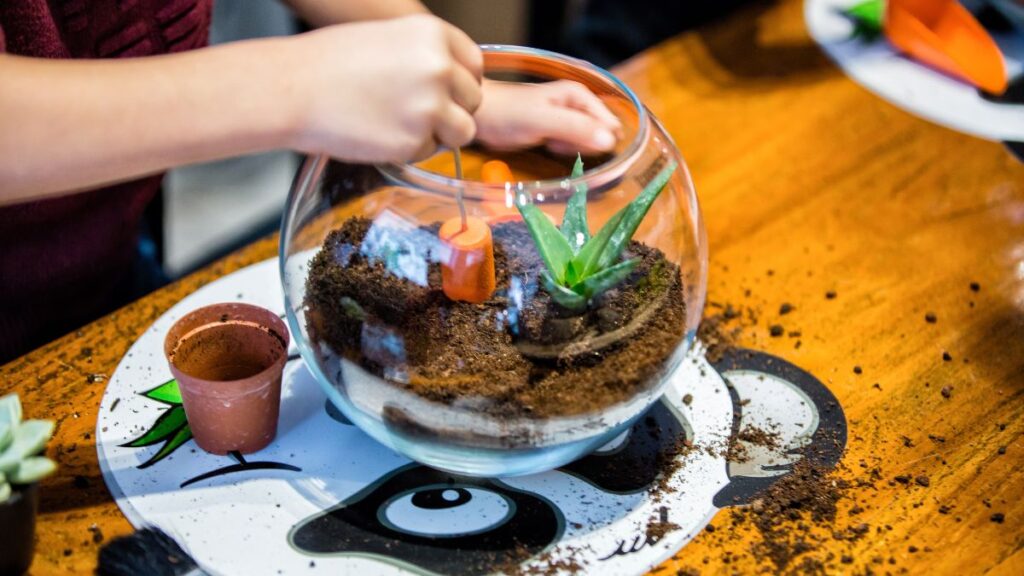
- Set a gravel or coarse sand base to promote rapid drainage and collect runoff away from roots, preventing soggy conditions and offering a stable bottom structure.
- Sprinkle a thin charcoal layer over gravel to trap odors and toxins, ensuring the air inside your terrarium stays fresh and roots aren’t sitting in stagnant water.
- Create your main terrarium soil blend—customized by plant type—and layer it above the charcoal, providing tailored nutrients and maintaining a healthy, airy consistency for roots to thrive.
- Pack the uppermost layer lightly with decorative stones or small bark, which slows evaporation in closed systems and gives the micro environment controlled humidity.
- Water only after all layers are in place; test for even absorption by checking if moisture beads evenly on the terrarium soil surface rather than pooling in corners.
Stagger plants by height and spacing as you layer. This lets light reach all leaves and helps air circulate, mimicking a natural ecosystem and reducing fungal risks in dense setups.
Managing Closed Versus Open Containers
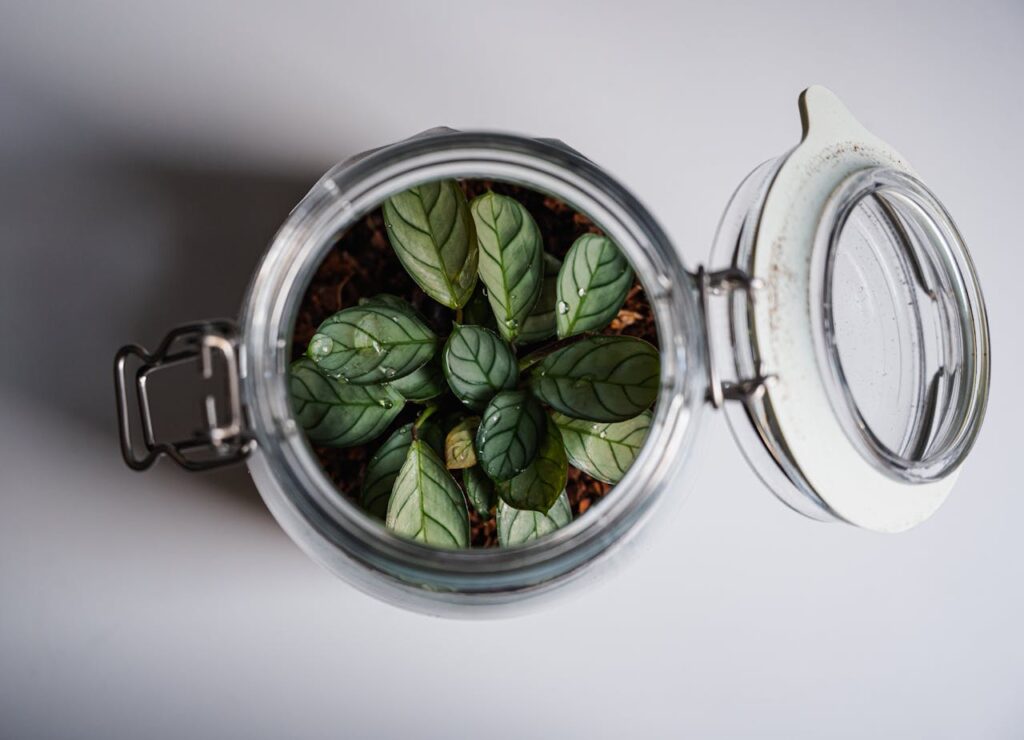
For closed terrariums, keep lower layers drier with thicker gravel or sand to prevent root-suffocating damp. Open containers tolerate a wetter mix but need slightly more terrarium soil for stability.
- Increase gravel thickness in sealed setups to create space for excess moisture, reducing long-term mold risks and preventing water from rising into root zones.
- In open terrariums, blend in more organic material to retain steady hydration, since ambient air will evaporate moisture faster and plants depend directly on consistent terrarium soil moisture.
- Monitor humidity with a mini hygrometer for closed builds, adjusting substrate moisture when condensation builds persistently or the soil dries within forty-eight hours of watering.
- Top up decorative moss or leaf litter occasionally to refresh the upper layer, replace nutrients, and discourage pests, which can compromise the equilibrium of your micro ecosystem.
- Ventilate weekly by briefly opening lids or using custom mesh screens. This lets fresh air circulate, balancing humidity and oxygen inside the glass container’s microclimate.
Notice condensation that won’t clear with ventilation? Swap out a portion of the lower terrarium soil for a sandier mix and reduce future watering slightly to find the sweet spot for roots.
Custom Soil Recipes for Common Micro Ecosystem Plants
Mixing terrarium soil for different plant families gets easier with a few starter recipes. Below, you can follow proven combinations, then adjust ratios once you see how your micro ecosystem responds.
Each blend takes standard ingredients like coir, peat, and sand, but it’s the fine-tuning—like adding extra perlite for succulents or bark chips for orchids—that transforms basic terrarium soil into a truly tailored environment.
Moisture-Loving Mosses and Ferns
Mix moss blends with 50 percent coconut coir, 25 percent peat moss, 15 percent worm castings, and 10 percent fine sand. This formula creates a spongy, consistently moist terrarium soil that holds humidity but breathes well in closed glass.
For ferns, substitute 20 percent of the peat for fine bark chips, adding structure. Mistlightly after mixing; the blend should darken evenly without pooling, resembling a damp forest floor that fuels lush, compact fern growth.
Moss clumps root best when pressed lightly into this blend, then capped with leaf litter or a thin charcoal layer. The result increases both resilience and vibrancy in compact micro terrariums.
Arid-Loving Succulents and Miniature Cacti
Measure 60 percent sandy loam or cactus potting mix, 20 percent perlite, and 10 percent crushed charcoal by volume. Sprinkle 10 percent washed pea gravel throughout for open pockets that let water drain instantly.
Never pack this terrarium soil tightly—keep the texture gritty and light, mirroring natural desert soils. After transplanting, wait two days before watering so roots adapt and minimize shock.
If succulents start to look wrinkled or roots are yellow, increase perlite and reduce organic content. Always check that moisture evaporates fully from the soil surface within twenty-four hours of light watering.
Tropical Epiphytes and Orchids
Orchid and bromeliad lovers do best on coarse mixes, blending 50 percent fine bark chips, 20 percent sphagnum moss, and 20 percent coconut chips with 10 percent perlite. This open terrarium soil mimics the forest canopy where rain drains quickly.
Plant these species so roots contact both bark and moss. Mist every three days, never saturating—roots thrive best when air and moisture surround them equally in the micro container.
Refresh bark mulch every two to four months. Deter mold with an occasional layer of fresh horticultural charcoal, keeping your mini epiphyte display healthy and striking.
Building Flourishing Micro Terrarium Ecosystems with Tailored Soil
Finding your perfect terrarium soil mix takes trial and observation. Each plant group, whether moss, succulent, or orchid, teaches you new lessons about what healthy micro ecosystems require to remain stable and vibrant over months.
Careful attention to substrate layering and minor recipe tweaks keeps closed terrariums thriving. The right soil is both a tool and a safeguard, letting you watch tiny life cycles with fewer interventions and more natural resilience.
Commit to gentle experimentation, watching your miniature plants for signs and responding with precise adjustments. That creativity is the heart of successful micro terrarium ecosystems—and the fun of building them, season after season.
Frequently Asked Questions
What soil mix is best for tiny ferns in closed micro terrariums?
Mix 40% coconut coir, 30% peat moss, 15% fine bark, and 15% worm castings. This blend balances humidity while offering aeration. Always avoid heavy garden dirt and instead use airy, pest-free terrarium soil for ferns.
How can I prevent mold growth in small glass containers?
Layer fine gravel at the bottom, add activated charcoal above, and use a light, fast-draining terrarium soil. Vent the container weekly, avoid overwatering, and periodically replace cap materials or decorative moss to refresh upper zones.
Are standard potting soils safe for micro terrarium ecosystems?
Standard mixes can include fertilizers, vermiculite, or pathogens that destabilize closed systems. Always blend your own terrarium soil using inert, sterilized components tailored for each plant species for reliability and safety in micro ecosystems.
Why do my succulents wilt or rot in terrarium soil?
Excess water, fine silt, or peat-heavy mixes trap moisture and kill roots. Switch to 60% sandy loam, 20% perlite, 10% gravel, and 10% charcoal. Keep layers loose; this mirrors arid environments and supports miniature succulent health.
How frequently should micro terrarium soil be replaced?
For most micro ecosystems, refresh upper soil layers or decorative mulch every three to six months. Full substrate replacement is rarely needed unless mold, pests, or compaction emerge. Observe plant vigor to inform your maintenance routine.