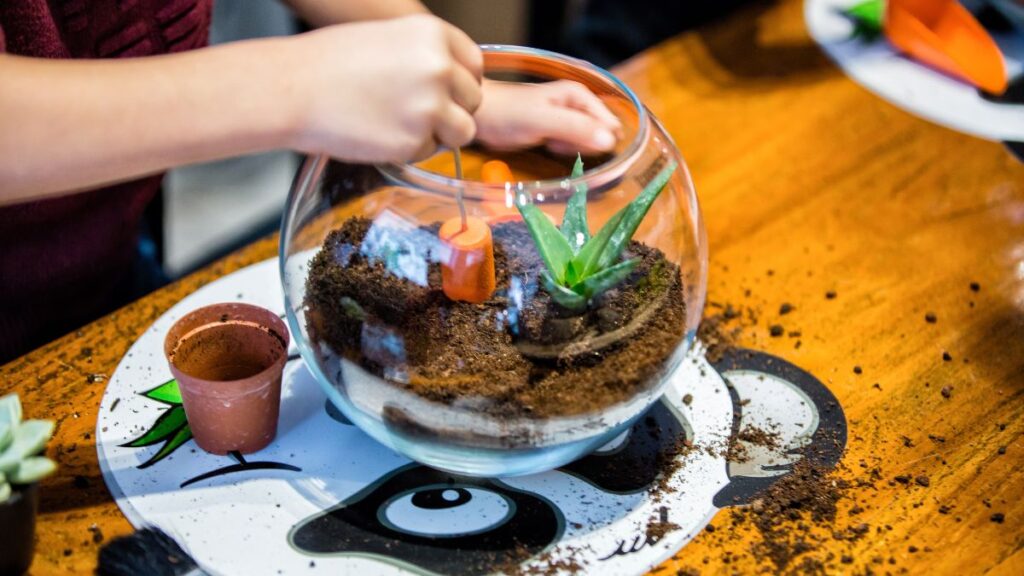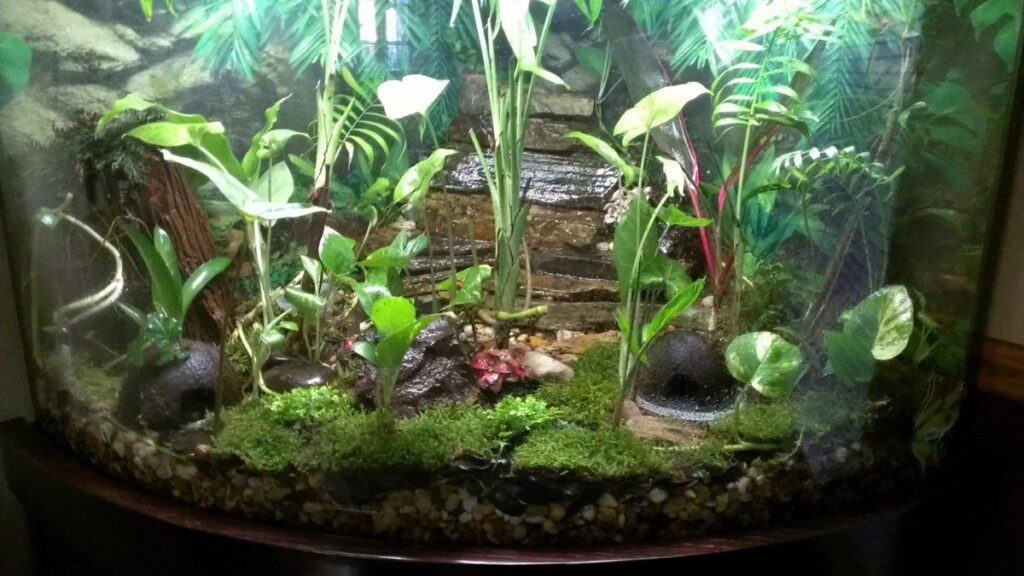
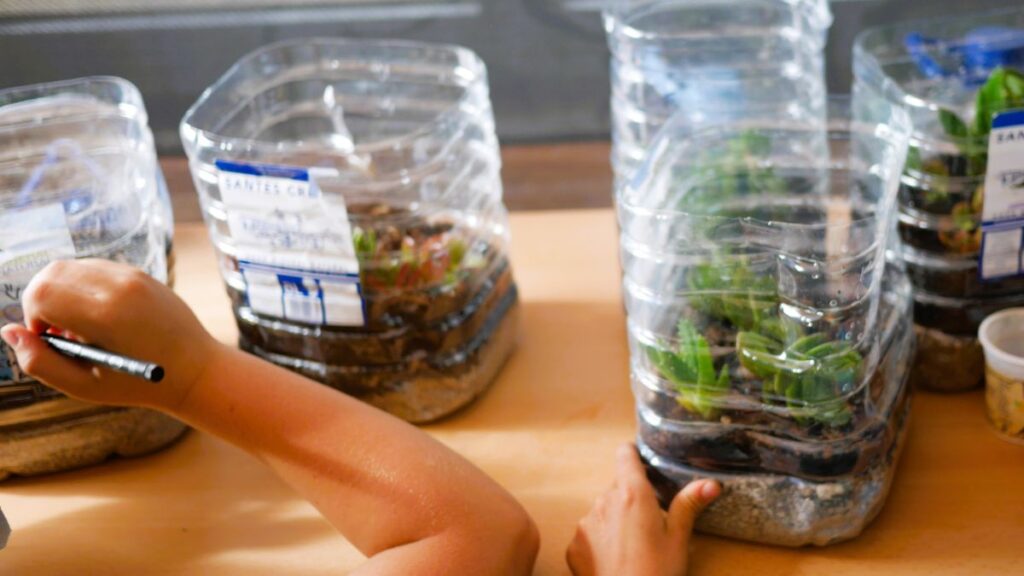
Think about the jars in your kitchen or empty bottles you nearly tossed—imagine instead transforming them into stunning homes for micro terrarium ecosystems. Upcycling jars for this purpose turns simple glass into miniature worlds, combining creativity with sustainability on your windowsill.
Micro terrariums build nature in small spaces, letting you watch life unfold. Interest in upcycling jars and bottles has grown as people look for mindful ways to connect with the environment and minimize waste while expressing their personal style through plant design.
Step closer to the craft of upcycling jars and bottles for unique terrarium shapes. This guide covers what you need to know: from container selection, best practices for building, to maintenance secrets for thriving micro terrarium ecosystems.
Identifying Everyday Glass for Standout Terrarium Builds
Recognizing the many kinds of glass containers available opens new possibilities for micro terrariums. Readers leave this section able to assess and choose unique upcycling jars from their own homes or thrift stores.
Try collecting different bottles: tall vinegar bottles, small medicine jars, faceted jam containers, and spice jars. Each shape pushes you to design terrariums with creative plant layouts and microhabitats that standard glassware can’t match.
Distinct Jar Shapes and Their Ecological Impact
Wide-mouthed jars simplify planting and routine maintenance, letting you arrange landscaping tools comfortably. This style suits lush carpet mosses or sprawling miniature ferns, both needing more hands-in access and airflow.
Thin-necked bottles make impressive humidity domes for delicate mosses, reducing evaporation. Beginners say, “This looks impossible to plant!” but using chopsticks and a paper funnel lets anyone create a compact, controlled habitat reliably.
Deep canisters resemble forest floors carved from glass. Arrange stones for drainage on their base—customers watching roots press along the side find it mesmerizing. Add contrasting layers for a visually intriguing vertical micro ecosystem.
Exploring Unusual Vessels for Artistic Variety
Hexagonal honey jars add prism-like light angles, creating constantly shifting microclimates. Place shade-loving moss next to a patch of pink nerve plant: both respond to the varying morning sunbeams slicing through the vessel’s corners.
Square sauce bottles evoke architectural dioramas. Use angular containers for structured rockscapes, both wild and intentional. Saying, “I want a terrarium that looks like a city block,” sparks endless layout inspiration for tiny plants and decorative elements.
Flared perfume bottles let mosses tumble gracefully over necks, blending natural growth with salvaged glamour. Clean thoroughly and air out lingering scents so only thriving plant smells remain in your micro terrarium ecosystem.
| Container Type | Eco-Suitability | Ease of Planting | Best Next Step |
|---|---|---|---|
| Wide Jar | High air circulation | Easy for all skill levels | Start with carpet moss and easy ferns |
| Thin Bottle | Retains humidity best | Challenging, use long tweezers | Plant humidity-loving moss first |
| Square Container | Stable microclimate | Intermediate, corners limit tools | Try succulent mini-landscapes |
| Deep Canister | Stable soil layering | Requires patience for setup | Build thick substrate layers for root variety |
| Decorative Flask | Dramatic focal display | Tricky, requires careful planting | Create accent terrarium for shelf display |
Cleaning, Prepping, and Adapting Jars for Micro Habitats
Preparing upcycling jars ensures both plant health and long-term clarity. You’ll complete a repeatable process to sanitize, adapt, and optimize your chosen jars or bottles without risking plant or container damage.
Thorough cleaning removes food residue and labeling glue. After, inspect for chips—these can cut hands or disrupt the terrarium seal. Smooth sharp edges gently with a glass file to avoid injury or issues later on.
Sanitizing Glass for Plant Safety
To make sure upcycling jars are germ-free, soak them in a dilute bleach solution (1 part bleach to 10 parts water) for 15 minutes. Rinse several times in cool water.
- Sanitize each jar before use: This limits unwanted mold and bacteria, keeping your ecosystem clean for months.
- Remove stubborn labels by soaking the jar in warm soapy water. Scrape any remaining residue with a plastic scraper or old credit card for safety.
- After initial cleaning, air dry upside-down on a lint-free towel. This prevents streaks inside the glass that could become visible after planting.
- For hard water spots, rub gently with white vinegar before a final rinse. This clears up cloudiness for a bright visual result.
- Avoid harsh abrasives on thinner glass. It may scratch, weakening future terrarium projects and reducing clarity.
Putting extra time into jar preparation returns dividends with healthier plants, visible roots, and clean lines in your micro terrariums.
Modifying Containers for Drainage and Accessibility
Don’t skip modifying upcycling jars for micro terrarium usability. Small holes drilled near the base—using a specialized glass bit under water—prevent soggy roots and rot in closed builds.
- Drill only on thick, sturdy glass: This reduces breakage and helps control the hole.
- Add mesh or landscape fabric over drainage holes to stop soil from leaking while still allowing excess moisture to escape.
- Use a funnel when pouring smaller substrate grains. Controlling the pour keeps layers tidy and achieves professional-level plant layouts even in hard-to-reach containers.
- Create tool kits with chopsticks, long tweezers, and paintbrushes for access. These extend your reach, especially in narrow or awkwardly-shaped jars.
- Check lid fit. Tight-sealing or corked bottles are suitable for moisture-loving ecosystems, while loose lids work best for arid or open-terrarium setups.
Treat every upcycled jar as a unique blueprint, making planting faster and lowering risk of mistakes.
Arranging Miniature Layers for Thriving Micro Ecosystems
Arranging materials carefully in upcycling jars creates healthy environments for plant roots and visible, attractive layers. This layered method allows roots to grow while managing moisture in your micro terrarium ecosystem.
First, layer small clean rocks or pebbles at the jar’s base for drainage. Next, add activated charcoal to absorb odors and keep water clean. Finally, top with chosen substrate for planting.
Substrate and Charcoal Choices by Container Shape
Choose fine gravel for wide jars, spreading it evenly to avoid pooling water. For bottles, pour smaller pieces slowly with a paper funnel for a flawless foundation every time.
Charcoal acts as a filtration layer, especially in closed upcycling jars. Crush it small enough for narrow bottles or jars, and keep the layer under half an inch to prevent plant smothering.
Specialty terrarium soils retain moisture while allowing roots to breathe. Insist on loamy, non-compact soils for exceptionally deep vessels, mimicking forest conditions in a glass shell.
Designing with Mosses, Ferns, and Tiny Feature Elements
Carpet moss adapts well to nearly any shape of upcycling jars. In angular containers, cut patches to fit corners, giving the illusion of scale landscapes seen from a drone’s view.
Miniature ferns create vertical drama. Tuck their roots gently beside the glass for a profile effect, making the jar’s edge a natural showcase for delicate fronds and their changing shades.
Place accent stones or figurines for tiny drama. These focal points give story to the micro terrarium and demonstrate how upcycling jars transform humble objects into tiny masterpieces ready for any desk or shelf.
Integrating Mini Tools and Recycled Accessories for Flair
Adding and making tools is a micro terrarium builder’s secret to consistent quality. With upcycling jars, even a basic toolkit gets results rivaling professional miniatures, letting you control every stage and fine detail.
Chopsticks, bamboo skewers, and long tweezers become precision planters, leveling substrate and guiding moss into corners. Recycled lids, wire mesh, or tiny doors offer both function and creative flourishes to personalize each ecosystem design.
Inventive Miniature Furniture from Scrap Materials
Cut popsicle sticks or bamboo skewers into mini benches, ladders, or shelves for upcycling jars. Arrange these to hint at a secret world, attracting curiosity and encouraging a closer look.
Glue together bottle caps for little stepping stones. Paint them with waterproof acrylics that match the ecosystem’s palette for a personalized, functional path or seating area.
Use snaps from soda cans to create tiny gates. A dot of non-toxic glue affixes these securely, standing out among green moss patches and pebble walks for a playful, whimsical element.
Lighting and Decorative Accents from Everyday Objects
LED tea lights fitted into wide-mouth upcycling jars create gentle ambiance for evening display, especially in living spaces. These lights mimic sunset and help showcase your micro ecosystem after dark.
Paperclips bent into spirals make plant supports. Set them in the substrate for upright ferns, or coil them around bottle necks to hang decorations inside the jar.
Colored beads, bits of broken jewelry, or fragments of colored glass can sprinkle visual interest without overcrowding. These recycled accents remind viewers of the jar’s upcycled origins while enhancing its miniature landscape.
Establishing Maintenance Routines for Lasting Micro Environments
Setting routines keeps upcycling jars vibrant and healthy, no matter the container shape. Simple weekly and monthly tasks preserve the balance of moisture, light, and cleanliness crucial for long-term micro terrarium ecosystem health.
Start with daily inspection for fog accumulation on glass. Wipe excess condensation using a lint-free cloth, maintaining airflow and preventing mold. This ensures plants and viewers enjoy a clear view inside the jar.
Adapting Water and Light Based on Vessel Shape
Wide, shallow upcycling jars require less water per week. Use a spray bottle to target moisture where it’s needed—avoiding overwatering and soggy roots.
Bottle terrariums with narrow necks retain humidity for longer. Light watering intervals suffice, but if mold appears, briefly open the lid for rapid evaporation and re-balance.
Bright, indirect light places jars in healthy growth zones. Rotate jars monthly to ensure even exposure, especially with deep containers where bottom plants may receive less sunlight.
Simple Upkeep Scripts for Common Issues
When yellowing leaves emerge, say “Remove affected leaves at the base with tweezers.” Discard them away from the terrarium to prevent disease cycling.
If algae films appear on glass, gently rub with a microfiber cloth moistened in distilled water. Encourage clear views without scraping or scratching the vessel’s interior wall.
Spot-check substrate moisture level. Insert a wooden skewer 1 inch into the substrate; if it emerges dry, mist sparingly. This keeps the routine precise and reduces guessing, keeping plants at optimal health.
Conclusion: Transforming Spaces with Upcycled Micro Terrarium Ecosystems
Upcycling jars for micro terrarium ecosystems goes beyond recycling—it creates living art that brings a slice of nature indoors. From shape selection to upkeep, every container becomes an opportunity for creativity and responsible stewardship.
Choosing unique bottles and preparing them with precise layers sets the stage for lush growth. Adding handmade accessories transforms glass vessels into personalized eco-scenes that captivate the eye and encourage ongoing discovery of plant care skills.
Every upcycled jar tells a new story, renewing both glass and greenery. Adopt these practices for a rewarding, eco-conscious hobby that’s endlessly customizable and visually memorable in any home or workspace.
Frequently Asked Questions
What types of plants work best in upcycled micro terrarium jars?
Stick to slow-growing mosses, ferns, air plants, and mini succulents. These thrive in contained environments. Varieties like cushion moss, button fern, and fittonia adjust well to shifting humidity in unique jar shapes.
How do I prevent mold buildup inside my upcycled terrarium?
Wash and dry the jar thoroughly before use. Never overwater. Ventilate the jar weekly and remove leaves that show mold spots immediately to break the cycle.
Can I reuse plastic jars, or should I stick with glass for micro terrariums?
Glass resists scratches and remains clearer over time. While some plastics can work, persistent staining and reduced airflow limit their long-term effectiveness for successful micro ecosystems.
Is it safe to drill drainage holes in all jars?
Only drill into thick glass vessels such as canning jars. Thin bottles may crack easily, so use a substrate drainage layer instead. Always use the appropriate glass bit at low speed under running water for safety.
What’s the easiest way to source suitable upcycling jars?
Look in your pantry, recycle bin, thrift store aisles, or ask friends to save unique jars for you. Prioritize clear, undamaged glass in varied sizes for maximum creative opportunity in micro terrarium design.