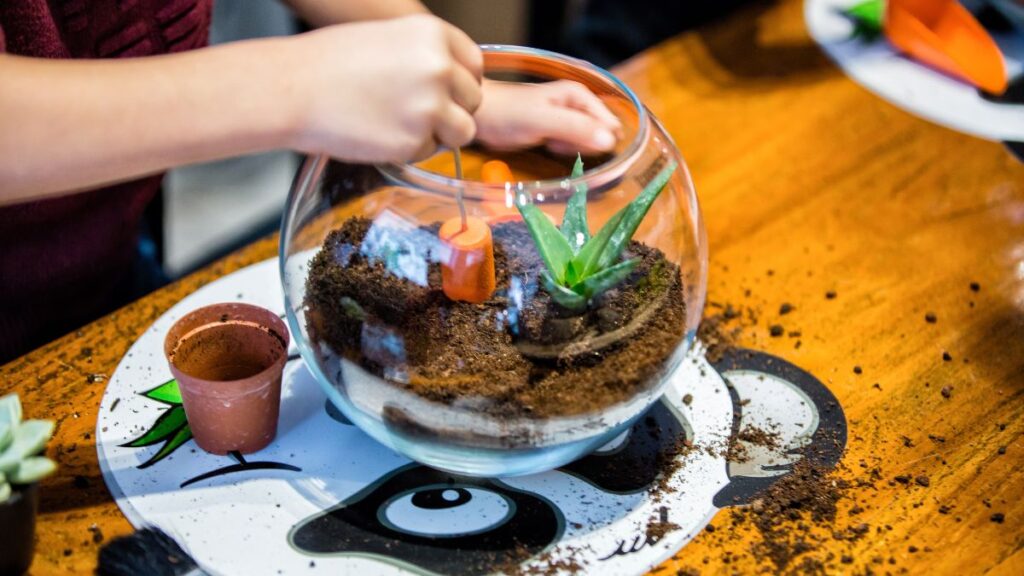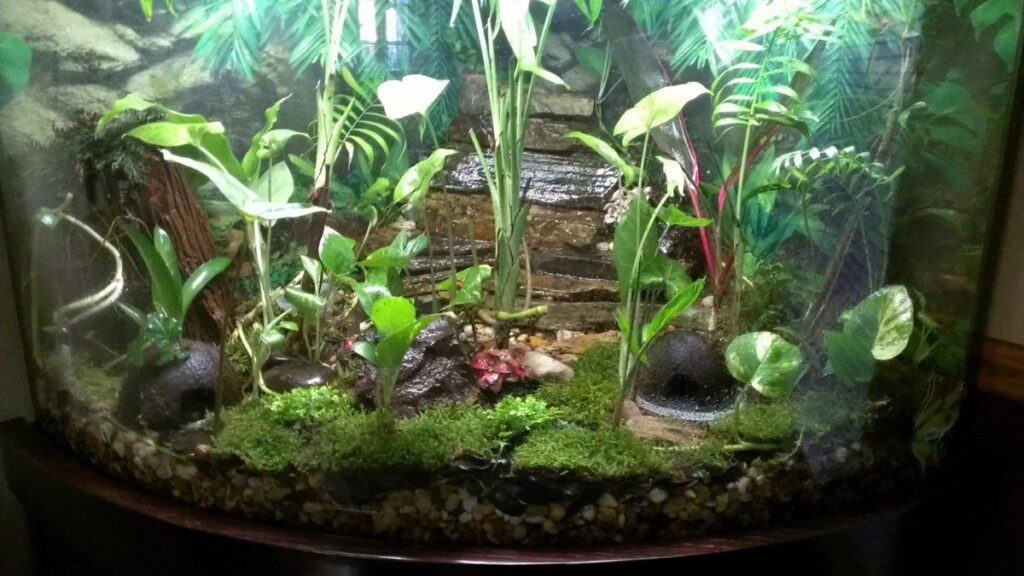
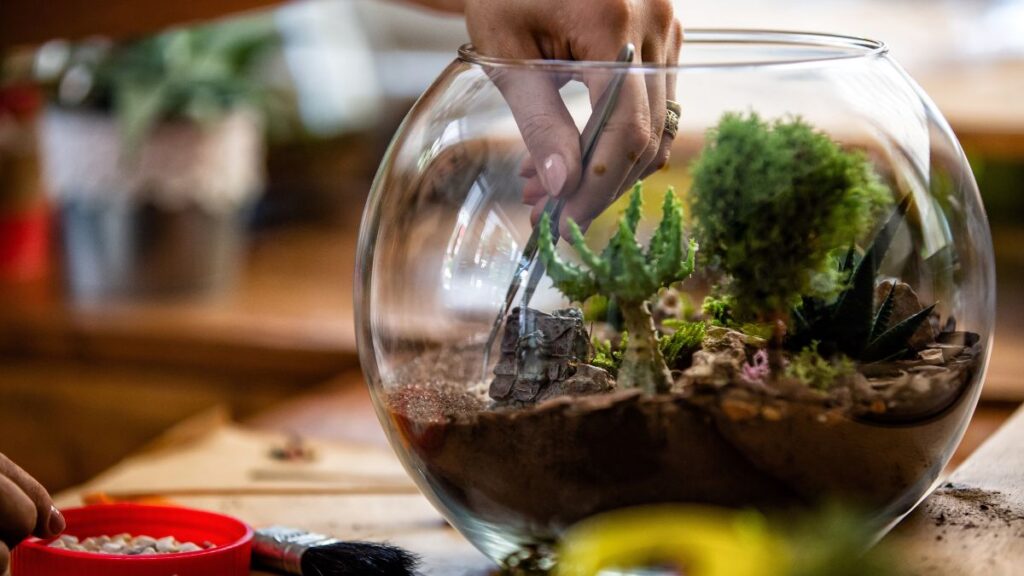
Imagine catching a glimpse of an entire living world thriving in a glass jar. While it fits on your desk, a closed biosphere micro terrarium ecosystem embodies surprising complexity and wonder, right in your hands.
Building a closed biosphere terrarium helps us see how small habitats function independently, sustaining balance on a miniature scale. This micro-ecosystem approach brings science, art, and curiosity together in a personal, creative project.
Let’s walk through each step of constructing your own closed biosphere terrarium. You’ll discover practical guidance, inspiring examples, and actionable tips as you shape a self-sustaining ecosystem at home.
Identifying Essential Elements for Stable Micro Terrarium Ecosystems
Choosing components with care achieves balance inside a closed biosphere. Each piece—container, substrate, water, plants, and life—directly shapes the ecosystem’s long-term health and appearance.
Mirroring natural cycles in your closed biosphere begins with these thoughtful selections. Defining what belongs not only sets the foundation for your miniature ecosystem but also prevents avoidable missteps later on.
Container Selection and Its Lasting Impact
A clear, sealable glass container is vital for this purpose. In a closed biosphere, it must retain moisture but allow enough light for plants to photosynthesize. This means jars with secure-fitting lids, like canning jars or repurposed aquariums, are ideal choices.
Jar shape and size influence airflow and light exposure. For example, wide, low jars are better for spreading moss and stones, while tall vessels suit upright plant growth. Before you lock the lid, double-check the container for chips or cracks that could compromise the seal.
Handle containers with clean, dry hands to avoid smudges and bacteria transfer. As you position the jar in its final spot, ensure it’s free of lingering detergents or chemicals, because even traces threaten your closed biosphere’s stability long-term.
Substrate and Drainage Approaches for Practical Success
Every closed biosphere needs a reliable drainage layer. Begin with about one inch of cleaned pebbles or expanded clay, then sprinkle a thin coating of activated charcoal. This absorbs odors and prevents harmful microbes from gaining a foothold.
Top the charcoal with a nutrient-rich potting mix, filling about one-third of the vessel. In micro terrariums, the right soil blend favors mosses, liverworts, or slow-growing plants that won’t quickly outgrow the space. Compress the layers gently using a clean spoon for stability.
If you’re layering soil, sand, and stone, add decorative touches slowly. For extra drainage, consider plastic mesh here, especially if your vessel is deep. The right substrate order extends your closed biosphere’s lifespan and simplifies maintenance, even for beginners.
| Component | Purpose | Choosing Tip | Actionable Step |
|---|---|---|---|
| Glass Container | Maintains climate & control | Go for clear, thick glass with a tight lid | Inspect for cracks, clean thoroughly |
| Drainage Layer | Prevents root rot | Use pebbles or LECA | Add 1-inch base before soil |
| Activated Charcoal | Removes toxins & odors | Source aquarium or terrarium grade | Spread a thin, even layer on top of drainage |
| Substrate/Soil | Nourishes plants, anchors roots | Choose for plant type: moss, ferns, etc. | Lightly pack after placement |
| Plants & Moss | Create biodiversity, oxygen cycles | Pick slow-growers, shade-tolerant | Stagger heights and spacing |
Establishing Life and Creating Cycles that Function Indoors
Scene-setting begins with careful species selection. Choose living elements that thrive in enclosed, humid environments, and you’ll build a robust closed biosphere from the start. Healthy beginnings set the tone for long-term success.
A harmonious micro terrarium ecosystem depends on how well organisms interact and regulate themselves. Avoid overcrowding and consider mini-behaviors, such as how mosses and springtails share surfaces, to prevent early troubles.
Types of Suitable Miniature Organisms
Closed biospheres succeed with resilient mosses, liverworts, or petite ferns. Add springtails and isopods for micro-level cleaning—think of them as a built-in janitor crew keeping your environment fresh.
- Choose Java moss for adaptable growth—it clings to rocks or soil and spreads easily in humid, closed biosphere conditions.
- Add tropical ferns such as Selaginella; their compact root systems won’t disturb substrate layers, ensuring cleaner lines and longer-lasting aesthetic appeal.
- Introduce isopods (like dwarf white isopods) sparingly. They eat decaying matter and help balance your mini-ecosystem, but only a few are needed in a small jar.
- Sprinkle springtails over substrate. Their main job is to consume fungal spores and leftover organic material—think of it as housekeeping on a micro scale.
- Avoid flowering plants or those with rapid growth. These can overcrowd or outcompete other life forms, disrupting balance inside the closed biosphere ecosystem.
Pay attention as you assemble, checking for leaf-to-glass contact and open root zones. A well-curated starter ecosystem creates more interest and fewer interventions later.
Maintaining Stable Moisture Without Overwatering
After assembly, add barely enough filtered water so the substrate feels damp but never soggy. A waterlogged base causes rot, while a dry substrate leaves moss brittle and struggling.
- Mist sparingly with a spray bottle, keeping glass from fogging up entirely. Steady humidity inside a closed biosphere evens out within a week if you avoid heavy soaking.
- Insert a piece of sphagnum moss at the top to hold humidity near the surface layer, not just at the bottom. Sphagnum also reduces mold outbreaks and root rot.
- Place your closed biosphere out of direct, intense sunlight. Too much heat and light create temperature spikes that disrupt microbe and plant behaviors, even when water is balanced.
- If condensation constantly forms, open the lid briefly to release excess humidity. This moderation mimics seasonal change, allowing your ecosystem to “breathe” when needed.
- Double-check water levels every few days for the first month. The substrate should feel cool and lightly moist, not soggy or bone-dry—simple touch-test guidance is most effective.
Over time, the ecosystem’s cycles will adjust. Trust the visual cues given by condensation and plant growth, using your senses as reliable maintenance tools.
Fine-Tuning Light, Air, and Environmental Stability over Months
Stable environmental conditions are what turn a closed biosphere into a self-driving micro terrarium ecosystem. Getting light and airflow right supports healthy photosynthesis and natural air exchange, which keep all components thriving long-term.
Aim for indirect light—bright, but filtered through curtains or placed away from south-facing windows. This mimics a forest understory and prevents algae from overtaking your closed biosphere’s interior glass.
Routine Observation Routines to Spot Issues Early
Create a habit: pause to look for yellowing leaves, excess condensation, or mold patches. It takes just one minute a week to catch problems before they snowball.
Notice subtle changes in plant coloration or visible moisture on the glass. Healthy micro terrarium ecosystems balance dew and clarity, while a permanently foggy container signals too much trapped water or stagnant air.
Gently roll or turn the jar once a week to even out light exposure and prevent plants from leaning to one side. This simple tweak encourages symmetrical growth and a balanced appearance in your closed biosphere over time.
Responding to Algae, Mold, and Runaway Growth
At the first sign of green algae rings or cloudy buildup, use a long-handled cotton swab to wipe inside glass. A clean biosphere lets plants breathe and photosynthesize efficiently.
If mold appears, temporarily remove the lid for airflow or, using clean tweezers, extract any visible fungal threads. Take this as a prompt to lower water input on future mistings and recheck substrate moisture.
For plants growing too fast or pushing against the lid, prune them with sanitized scissors just above the next healthy leaf node. Aggressive plants can dominate space—act early so all species continue to share the spotlight in your closed biosphere.
Building and Customizing Micro Terrarium Ecosystem Features for Style and Function
Personal touch lifts a closed biosphere from basic to beautiful. Add mini hardscape elements and tiny structures only after primary cycles are working, so form follows robust function, not the other way around.
Miniature pathways, bridges from twigs, or tiny figurines bring narrative to life and offer context for plant layout. Anchor stones into substrate before adding moss, so roots establish cleanly without jostling later on.
Scenario: Fine-Tuning an Overcrowded Terrarium
Suppose your closed biosphere starts with dense planting. Three weeks in, moss overlaps and glass clouds with condensation. Pause and trim the busiest patches, lifting a few tufts with tweezers to open up light and airflow.
If springtails and isopods vanish (often a sign of insufficient airflow), run a thin straw into the soil to add oxygen, then prop the lid slightly for one hour. Evaluate results by watching for clear glass and perked-up foliage.
This balancing act encourages gradual adjustment rather than dramatic overhauls. Keep the focus on small, steady changes for the most vivid, lasting results in your micro terrarium ecosystem.
Eco-Friendly Maintenance Strategies and Reducing Long-Term Interventions
Sustainable upkeep ensures that once your closed biosphere is stable, you’ll simply observe and enjoy, not intervene weekly. Think of yourself as a gentle caretaker, keeping things simple and efficient over months, then years.
Minimal disturbance encourages all life forms to establish cycles—break only to prune, remove debris, or adjust overgrown areas. Watch how the ecosystem evolves and step back unless clear issues emerge that require handling.
- Clean the exterior glass gently, using microfiber cloths, so light penetration stays high for photosynthesis cycles inside the closed biosphere.
- Spot-check every two weeks: look for pests, dead leaves, or unusual odors—if you smell fermentation, open up and inspect for stagnant pockets immediately.
- Rotate the jar’s orientation. Changing the angle distributes sunlight and prevents plants from growing lopsidedly or shading each other excessively over time.
- Trim and thin plants periodically. A subtle haircut keeps slow-growers in balance and prevents root mats from taking over the entire substrate layer.
- Add or swap out small hardscape features (stones, twigs) for fresh visual appeal. This step injects creativity and rejuvenates interest without disrupting established cycles.
Seeing Patterns and Telling Stories through Your Closed Biosphere
Your micro terrarium ecosystem offers daily insights. Watch water, light, and life interact, and you’ll find new connections, almost like paging through a living field journal that updates itself with every glance.
These tiny, closed biosphere habitats can spark curiosity. Invite friends or family to guess which species thrives best or track changes across seasons, turning your project into a hands-on science experiment layered with personal meaning.
Documenting Changes with Photos for Better Understanding
Snap weekly photos from different angles. Lay the shots side by side to visualize growth rates, leaf orientation, or glass condensation. This photo log works as a real-time feedback loop for refining your ecosystem management.
Caption photos with quick notes: “added two isopods” or “trimmed moss today.” Later, review which tweaks yielded positive or negative results. Snapshots transform troubleshooting into ongoing learning.
Regular image reviews help you detect subtle trends no single glance reveals. Soon, you’ll spot root expansion beneath the glass or how different layers react to seasonal humidity shifts. Observation itself deepens your connection with this unique biosphere.
Crafting New Stories by Rearranging Elements
Rotate decorative stones or change the path of a twig bridge every few months. Just as rearranging furniture refreshes a living space, these micro-adjustments give your closed biosphere ecosystem renewed energy and new talking points.
If a plant dominates the scene, trim or split it into smaller clumps for balance. This keeps all species visible and helps distribute resources evenly across the micro terrarium.
Kids or visitors may suggest story lines for your mini world—a “forest” moss, a “river” of pebbles, or a “hideout” for isopods adds playful meaning. Involve others to reinvigorate your view of ecosystem dynamics.
Reflecting on Your Micro Terrarium Journey and What Comes Next
By engineering your own closed biosphere, you gain new perspective on environmental interdependence and the subtle art of balance. Each decision you make helps the ecosystem mature and flourish inside glass.
This living art form blends practical science with ongoing creativity. Success comes not just from following steps, but from closely observing, troubleshooting, and celebrating every thriving leaf or healthy springtail in your closed biosphere.
Let your micro terrarium ecosystem evolve naturally. Return to it in quiet moments, learn from slow changes, and share observations with others. This small-scale habitat reveals big truths about patience and nature’s constant improvisation.
Frequently Asked Questions
- Can I use any glass jar for a closed biosphere?
Choose thick, clear jars with tight-fitting lids to prevent leaks and evaporation. Avoid containers with cracks or chips, since even minor flaws may compromise seals and lead to steady moisture loss over time. - Is tap water safe for my micro terrarium ecosystem?
Use filtered or distilled water if possible. Tap water can introduce chemicals or minerals that disrupt root health and foster unwanted mold. If using tap water, let it stand uncovered for 24 hours before adding it to your closed biosphere. - Do I need to feed the organisms in a closed biosphere?
No direct feeding is necessary in a well-balanced micro terrarium ecosystem. Organic debris and natural decay cycles keep springtails and isopods nourished, making outside food unnecessary unless the ecosystem seems depleted or unbalanced. - How do I deal with mold or algae growth?
If mold or algae start spreading, remove affected sections with sterilized tools. Temporarily vent the biosphere or reduce watering. Persistent outbreaks may mean your closed biosphere needs fewer living elements or slightly more airflow. - What should I do if plants outgrow their space?
Prune or thin plants with sanitized scissors, aiming for a balanced, open look. Avoid uprooting unless strictly necessary—gentle trimming maintains ecosystem stability and preserves harmony inside your closed biosphere over time.