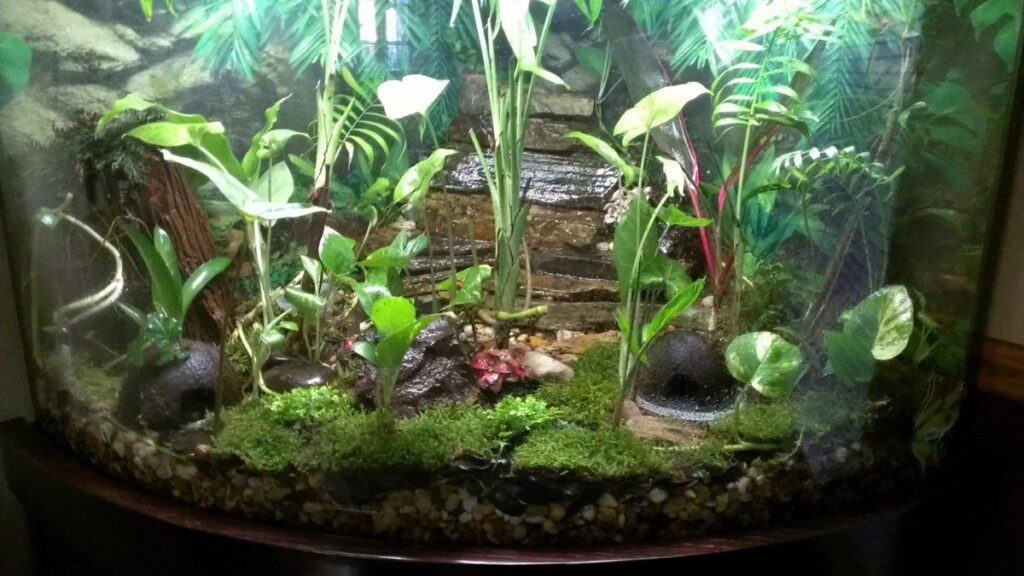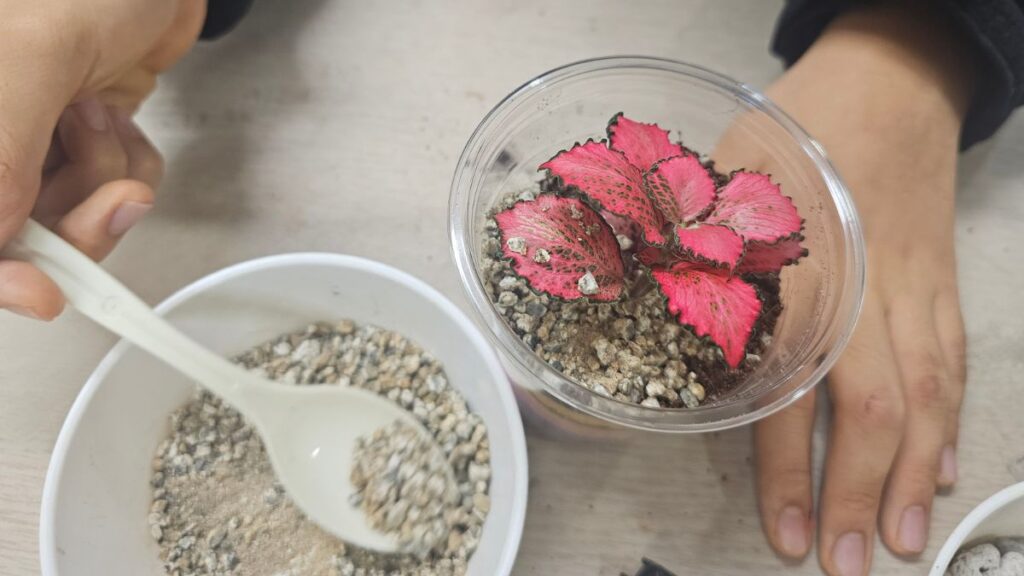
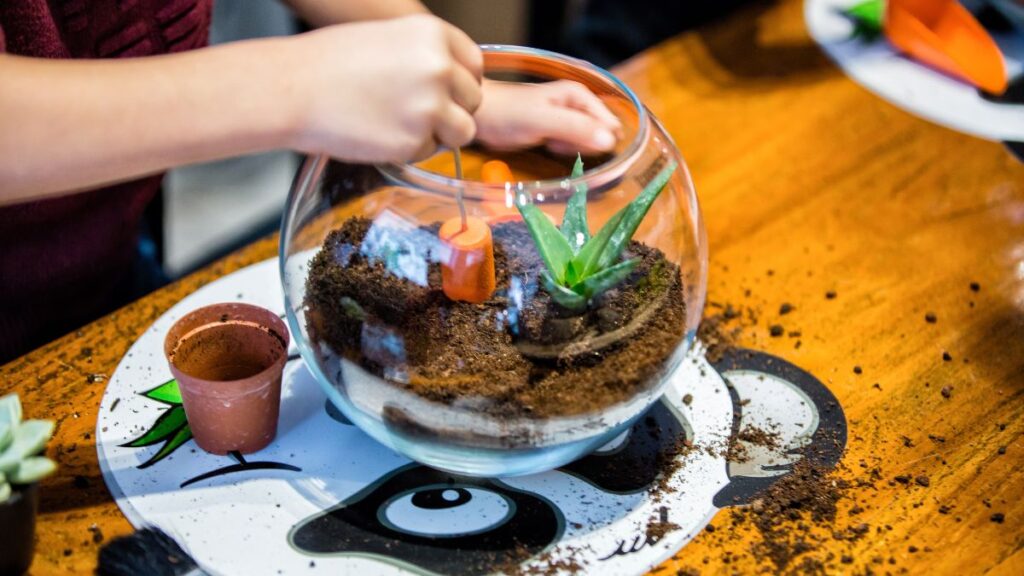
A micro terrarium ecosystem can catch the eye with its tiny forests and natural drama, yet humidity is its beating heart. That’s where a reliable fogging system steps in, quietly mimicking morning mist and rain for all those lush miniatures.
Humidity is one of the trickiest variables in a glass habitat, especially if it fluctuates with temperature or airflow. Whether you’re nurturing rare mosses or tiny orchids, gentle fog keeps leaves dewy and growing rampantly, just like in nature.
Explore practical tips, parts lists, and real-world advice for building your own terrarium fogging system. You’ll find actionable steps—whether you’ve just bought your first glass jar or want to automate a prized micro world.
Identifying the Right Fogging System for Your Terrarium’s Needs
Selecting the right fogging system dramatically affects your micro terrarium’s climate control and plant health. Each enclosure has unique requirements depending on its size, lid style, and what grows inside.
For a closed setup with dense greenery, you’ll want a low-output yet consistent mist. Larger, open-topped terrariums demand robust devices to replace lost moisture and sustain a visible fog layer.
Evaluating Space and Humidity Goals
Measure your micro terrarium to determine mist requirements accurately. A five-gallon jar with limited openings benefits from a compact ultrasonic fogger’s precision. More air exchange means higher humidity targets.
For smaller jars, a mini disc fogger provides targeted coverage. Place it near moss beds or key foliage so vapor condenses where it’ll nourish the ecosystem most.
Visualize where condensation occurs. Place your hand outside; if you see droplets forming inside after brief operation, your fogging system delivers enough mist to maintain a healthy enclosure.
Choosing Between Piezo Ultrasonic and Pump-Driven Systems
Piezo ultrasonic foggers vibrate water at high frequency, producing cool vapor instantly. These are nearly silent and well-suited to glass enclosures where heat could disturb sensitive plants.
Pump-driven foggers spray atomized droplets through tubing. They allow flexible placement and higher outputs, working well for multi-jar setups or complex, multi-level terraria.
Pump foggers can create visible clouds but often need timers and valves. Compare operating noise and reliability before purchasing to ensure your chosen fogging system blends seamlessly into daily routines.
| System Type | Best For | Setup Difficulty | Actionable Takeaway |
|---|---|---|---|
| Mini Ultrasonic Disc | Small Jars | Easy | Place inside water dish; use distilled water for fewer mineral deposits. |
| Pump Atomizer | Multi-Terrarium Racks | Intermediate | Mount tubes outside; run during peak evaporation hours. |
| Misting Fan | Open Designs | Easy | Position fan for gentle airflow, avoiding direct mist blast. |
| DIY Sponge Wick | Low Budget | Very Easy | Wet sponge with distilled water and set near foliage for occasional fog. |
| Integrated LED Fogger | Display Pieces | Intermediate | Coordinate light cycle and fogging timer for dramatic presentation. |
Building Microclimate Control with Fogging System Placement and Timing
Strategic placement and proper cycling help any fogging system maintain steady conditions. Setting up for even moisture and natural appearance keeps plants—and any tiny inhabitants—healthy for weeks at a time.
Consider condensation patterns and airflow paths when choosing where and how long to fog. “I set my misting disc under a leaf cluster for an hour after sunrise”—that’s the type of approach that gets consistent results.
Fine-tuning Misting Output
Aim for moderate, regular bursts instead of constant operation. This prevents waterlogging the soil or glass. It’s similar to watering a houseplant only when leaves droop slightly; routine, not excess, keeps things alive.
- Set a timer to fog every morning for 20–30 minutes; this matches the terrarium’s natural dew cycle and encourages regular plant respiration without over-saturation.
- Place the fogger near vents or open lids; airflow distributes humidity and prevents stagnant, mold-prone pockets in the enclosure.
- Use clear tubing for pump-driven systems; see water movement and spot mineral buildup before it becomes a maintenance task.
- Point fog output toward stones or hardscape; vapor condenses and wicks naturally, mimicking nature’s dew collection for mosses or ferns.
- Take plant growth as your feedback loop. Denser new leaves signal ideal humidity. If leaves yellow or rot, reduce fogging duration immediately.
Monitor the results weekly—adjusting fogging system duration and output can prevent common problems like root rot or excessive algae on the glass.
Syncing Fog with Lighting and Air Exchange
If running lights on a timer, start fogging 10–15 minutes before lights go on. This wakes plants with gentle moisture, helping roots and shoots get ready for photosynthesis.
- Set fogging run cycles to match light periods; aim for maximum humidity when lights are strongest, not after they turn off, to reduce condensation on glass walls.
- Install a small vent or crack the lid slightly when fogging. This invites fresh CO2, fueling healthier plant growth and preventing stagnant, moldy air.
- Observe glass clarity each day. Fog should dissipate without streaking; recurring streaks may mean your system is too strong or positioned wrong.
- Test hand warmth inside after fogging. If the environment heats more than a degree or two, check the fogger type—ultrasonic units should stay cool to protect fragile foliage.
- Listen for water droplets; gentle dripping means the system delivers enough vapor to form mist but not so much that droplets pool on the terrarium base.
Linking fogging output to both lighting and ventilation keeps microclimates stable and realistic, providing healthier growth cycles year-round.
Selecting Materials and Setting Up the Basic Fogging Circuit
Start your build with a fogging system parts list tailored for micro terrarium scale. Gather a mini ultrasonic mist disc, waterproof container, small low-voltage adapter or battery, and food-safe tubing for directed vapor flow.
Confirm all electrical parts are sealed and safe for confined, damp environments. Using waterproof connectors and heat shrink tubing will protect your ecosystem and extend each component’s lifespan.
Simple Circuit Assembly for Safety and Reliability
Begin by connecting the ultrasonic disc to its adapter, ensuring all joins are tight. Place the disc in a glass container, then fill with distilled water up to the recommended level. Test output before mounting inside the terrarium.
Secure tubing from the fogger to a hardscape anchor so vapor flows steadily where it’s needed—aim just below dense foliage. Hide wiring by running it behind rocks or driftwood, ensuring a natural look inside the glass.
Consider using a moisture-sensitive relay for automation. This triggers fogging only when humidity drops below set points, saving energy while making conditions more predictable every day.
Custom Modifications for Unique Displays
For feature pieces, enclose the fogger unit in mesh or perforated casing. This prevents clogging from stray substrate or leaves that could jam mini fans or expose electronics to moisture.
Personalize your setup with programmable timers or motion sensors; visitors can activate the fogging system with a wave, bringing worlds to life on demand. Just use low voltage and weatherproof all sensor connections.
Reuse clear spice jars or shot glasses as miniature water reservoirs for hidden fogger placement. These blend seamlessly with most scapes and are easy to refill during regular terrarium care.
Bringing Micro Ecosystems to Life with Reliable Fogging
Smart use of a fogging system in micro terrariums encourages thriving, healthy greenscapes while minimizing problems like mold or dehydration. Fog not only raises humidity but creates dramatic, living landscapes for obsession-worthy displays.
Adapting placement, timing, and materials shapes a tailored approach—no two terrariums are identical, so experiment with feedback from your plants and glass for best results. Each adjustment teaches you new techniques you can use on future builds.
Add or refine your system as your collection evolves. Practical, user-guided design keeps ecosystems strong, lush, and ready for every curious guest. Grow your skills alongside your miniature forest, enjoying every misty sunrise inside glass walls.
Frequently Asked Questions
- What’s the ideal humidity range for a micro terrarium fogging system?
Most tropical micro terrariums thrive at 70–80% relative humidity. Use a digital hygrometer and fine-tune your fogging system’s runtime so humidity never dips or spikes too far past this sweet spot. - Can I retrofit a fogging system into a closed jar terrarium?
Yes, with care. Insert a mini ultrasonic disc inside a small water reservoir, then install a vent or micro hole in the lid for vapor flow and condensation control. - What water should I use in my fogging system?
Always use distilled or reverse osmosis water. Tap water might contain minerals that clog or foul foggers and leave residue on glass, making maintenance harder over time. - Will a fogging system harm tiny animal residents like springtails or isopods?
Properly tuned systems are safe for most terrarium microfauna. Ensure moisture levels don’t cause puddling, which could drown delicate invertebrates. Adjust misting frequency for residents’ safety. - How do I prevent mold when using a fogging system?
Aim for short, regular mist cycles and ventilate between runs. Avoid persistent dampness in the substrate and always monitor foliage for signs of excess moisture, like fuzzy patches or musty smells.