
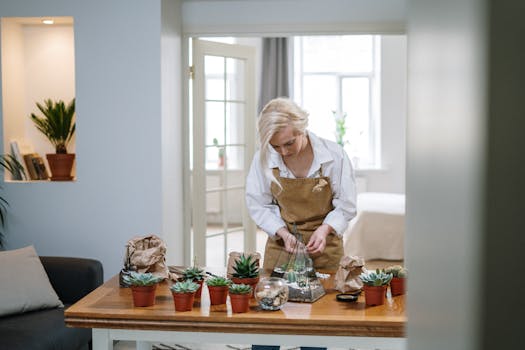
Micro terrarium ecosystems look like tiny jungles under glass, but striking the right balance of light exposure can turn a pretty display into a thriving, long-lasting mini garden. Many plant keepers overlook how precisely light guides plant health.
Understanding light’s role matters because every terrarium plant responds to different intensities and timings. Adjusting light exposure isn’t a guessing game—your choices impact growth speed, leaf color, and even the health of the closed ecosystem itself.
If you’ve ever struggled with limp moss or spindly ferns, this guide will decode realistic steps to optimize light exposure for miniature terrarium setups. Let’s explore tools, troubleshooting, and actionable habits for plant well-being.
Start With the Right Light for Each Plant
Choosing the right source and amount of light exposure from the start shapes your micro terrarium’s success. A smart plan prevents stretch, yellowing, or rot in your favorite specimens.
The phrase “bright, indirect light” means different things for mosses, tropicals, and succulents. Begin by matching the plant’s needs with your space’s natural or artificial options for targeted results.
Separating Moss, Ferns, and Tropicals: Precise Placement
Mosses crave gentle, filtered rays and lose their lush green if exposed to too much. Place them in the shadiest corner of the terrarium for short, steady growth.
Ferns may handle dappled morning sunlight through translucent glass, but avoid direct mid-day beams. If your hand casts a faint shadow, you’re close to the ideal light exposure for ferns.
Tropical plants, like miniature pothos, seek brighter light—just not the harsh kind. Use a small LED grow bulb if natural light fades. Watch leaf orientation for clues on placement.
Understanding Window Directions and Distance
An east-facing window delivers cool, gentle rays suitable for most terrarium types. West and south-facing windows push stronger light, making distance from the glass key for fine-tuning exposure.
Place the terrarium at least two feet back from strong afternoon sun if mixing moss and ferns. The right light exposure zone brings out deep color without crisping leaves or raising the temperature too high.
A quick experiment: set two identical micro terrariums with the same plants at different window angles for a week. Compare leaf color and texture, then adjust placements for optimal results.
| Plant Type | Optimal Light Source | Ideal Duration (Hours) | Actionable Tip |
|---|---|---|---|
| Moss | Filtered daylight, away from direct sun | 4-6 | Move to a less exposed shelf in bright rooms |
| Ferns | Indirect, morning east-facing window | 6-8 | Use a sheer curtain to scatter sunlight |
| Tropicals | LED grow light or bright diffuse | 8-10 | Rotate terrarium every few days |
| Succulents | Bright, direct light | 8+ | Check substrate dryness carefully |
| Carnivorous | Bright, indirect or artificial | 10-12 | Supplement cloudy days with grow bulb |
Rotating Terrariums and Light Schedule Tweaks
Regularly rotating the position of your micro terrarium controls uneven light exposure, preventing tilted growth and pale spots. This simple step takes just seconds and makes a clear difference in plant shape and vitality.
Light exposure isn’t static—seasons and weather alter brightness and duration. Monitoring and adjusting schedules, especially during darker winter months, keeps plant metabolism steady and healthy.
Create a Weekly Light Rotation Routine
Every Saturday, rotate the terrarium a quarter-turn on its display shelf. This prevents plants from leaning or growing lopsided, which preserves the overall arrangement’s symmetry and visual appeal.
- Rotate by 90 degrees weekly to maintain even leaf color and growth across all sides.
- Track which plants lean or darken—set phone reminders for your rotation schedule so you never miss a week.
- Check for condensation buildup during each rotation—too much can signal excess light causing overheating.
- Reposition if you see leaves curling toward or away from the glass, a clue that light exposure needs rebalancing.
- Photograph progress before and after rotation to notice subtle changes over months and fine-tune placement as needed.
If you spot mold on the soil surface, a simple rotation won’t solve it alone, but uneven light exposure is a common root cause. Pair this habit with window or artificial light adjustments weekly for best results.
Checklist: Tuning Your Light Schedule for Seasons
Seasons shift sunlight strength and angle, which means even indoor terrariums need tweaks. Update your routine each spring and fall to match plant growth and keep the inside environment balanced.
- Extend light hours by 1-2 each winter using a timer on an LED bulb to mimic natural cycles.
- Reduce exposure by moving the terrarium farther from a window once daylight intensifies in summer, preventing overheating.
- Test new placements for a week and track moisture or leaf burn to spot any negative effects quickly.
- Adjust waterings after every shift, since stronger light exposure speeds up evaporation—don’t just stick to old habits.
- Mark calendar changes; check plant health each week for fast feedback so you’re never caught by surprise when seasons change.
Through consistent, seasonally responsive tweaks, plants adapt quickly. This keeps your terrarium ecosystem in balance all year without needing to start over or rescue stressed specimens.
Observing Plant Reactions to Fine-Tune Exposure
By checking leaf posture and color each week, you’ll catch subtle cues that indicate perfect or problematic light exposure. Healthy micro terrarium ecosystems always feature strong color and symmetrical growth across all plant types.
Adjusting placement as soon as you notice these clues prevents irreversible damage. Don’t wait for browning or collapse—respond to smaller changes for smooth, ongoing care.
Reading Leaf Color and Patterns
Leaves fading to pale green or yellow signal not enough light exposure. Move the terrarium closer to your brightest source, but avoid a spot with direct, hot rays—think gentle brightness, like a winter afternoon.
If you see brown edges or crisp leaf tips, shift plants farther from the window for a week and check moisture levels. Too much light exposure usually pairs with drier soil or glass condensation.
Growth patterns tell a story: upright, clustered stems reveal sufficient light, while elongated, reaching stems demand a brighter spot. Take weekly photos for comparison to spot these patterns early.
Catching Water and Humidity Swings
Notice fungus gnats hovering or water droplets standing on the inside walls? This means too much light is driving excess humidity, risking mold and root problems. Lowering light exposure helps balance water and air levels.
Dry patches on moss, curling edges on ferns, or spongy, dark soil in a tropical section imply something isn’t balanced. These are clues that it’s time to rethink where the terrarium sits in your home.
Try shifting the micro terrarium a few inches away from the main light source for three days. If humidity stabilizes and leaves perk up, you’ve found the new sweet spot for light exposure.
Optimizing Artificial Light Systems for Consistency
Setting up a reliable artificial light system guarantees consistent results, even in rooms with limited daylight or windows. Compact LED grow lights are a top pick for micro terrarium ecosystems because they generate low heat and precise, customizable light exposure.
Timers, reflectors, and the right bulb spectrum allow you to tailor light exposure to every plant’s preferred hours per day, simulating sunrise and sunset patterns even on a shelf or office desk.
Choosing and Placing Your LED Lights
Low-wattage LED panels or lamps fixed 8-12 inches above your terrarium provide even, gentle light exposure. Choose full-spectrum bulbs labeled for plant growth rather than generic desk bulbs to meet chlorophyll needs for tiny terrarium plants.
Place the light off-center if your terrarium contains shade-lovers on one side and tropicals on the other, mimicking a woodland edge. Adjust height or angle monthly, watching for slight yellowing or stretching.
Mounting the light at a slight tilt, aimed at plants but not at glass, avoids glare and creates a soft, balanced environment. This setup also discourages algae that thrive when glare hits the walls directly.
Matching Timer Schedules to Plant Needs
Set digital timers to deliver seven to ten hours of light exposure if you’re running mostly mosses and ferns. For succulents or carnivorous plants in the mix, bump up to at least twelve hours daily and observe changes closely.
If moss begins to lighten or lean away from the source, decrease exposure by thirty minutes a week and check again. Staying flexible is the secret to long-term success under artificial lights.
Using two timers for different plant zones in a large micro terrarium builds custom microclimates. This advanced approach mimics cloudy or sunny weather, even inside a single glass bowl or cube.
| Light Source | Positioning | Type of Plants | Takeaway |
|---|---|---|---|
| LED Grow Light | 8-12 inches above | Tropicals, succulents | Install timer, use reflective backing for even distribution |
| Fluorescent Strip | Directly overhead | Ferns, moss | Keep duration 6-10 hours only |
| Window Light | South or east-facing | Mixed ecosystems | Rotate terrarium daily, adjust glass barrier for shade |
| Desk Lamp | Offset to side, not above | Moss, shade plants | Check temperature regularly, shift plants as needed |
| Indirect Skylight | Nearby, diffuse cover | All plant types | Use translucent cover for reliable, year-round softness |
Solving Common Troubles with Light and Plant Variety
When different species share the same micro terrarium, their light exposure needs may clash, creating frustration for keepers. Choosing smart groupings and arranging the layout can help every plant type thrive simultaneously.
Use vertical layers, background-to-foreground placement, and miniature hardscape barriers like rocks or driftwood to shield shade-lovers from direct beams while providing ample light for sun-demanding types.
Scenario: Diagnosing a Trouble Spot
You notice brown burn marks on small ferns while succulents nearby look healthy and robust. Move ferns behind a driftwood piece or add a patch of taller moss to buffer the harsher light exposure fuels.
If moss turns yellow but succulents lean to the window, switch up positions and cut a square of parchment to diffuse light. This prevents both extremes and aligns exposure zones with plant preferences.
When in doubt, trim leggy stems on light-starved plants, then increase their exposure by thirty minutes at a time. If new leaves emerge healthy, you’ve corrected the imbalance successfully.
Example: Designing Multi-Species Zones
Group ferns, moss, and shade plants on the north side of your glass container, allowing taller tropicals to soak up rays closer to the strongest light. Use vertical rocks or tiny bark walls as dividers.
If one section becomes overcrowded or develops mold, thin out the canopy to let light filter through without overwhelming the more sensitive plants. Maintain open pathways for air and indirect light exposure in every zone.
Each week, check if plants shift toward each other or away from the brightest areas. Adjust sections, prune, or move barriers so no single species suffers from too much or too little light exposure.
Building Habits for Long-Term Terrarium Health
Consistent weekly and seasonal habits create a resilient micro terrarium ecosystem. Recording observations and routines makes plant responses to light exposure easy to interpret, so you won’t miss minor clues before they become major problems.
Combine light exposure notes with adjustments to humidity, ventilation, and substrate. Treat your observations like a living log: each entry adds depth and brings faster troubleshooting for smoother plant health outcomes.
- Record light exposure details every Sunday, including hours lit, window orientation, and plant appearance. This makes it simple to notice slow changes over months.
- Switch plant positions occasionally to prevent dominance by vigorous growers and ensure equal access to light across the setup.
- Upgrade your grow bulb or reflector as needed after six months, especially in rooms where natural light gets weaker.
- Trim tall or sprawling plants before they shade out others, maintaining the original structure and the exposure zones you planned.
- Celebrate progress—share photos with friends or in an online journal—tracking how your adjustments result in greener, healthier micro terrarium plants over time.
Key Takeaways for Optimal Light Exposure in Micro Ecosystems
Achieving balanced light exposure within your micro terrarium ecosystem means matching each plant’s preferences, adjusting placements with the seasons, and responding quickly to visual feedback. Creative use of both natural and artificial light sets your plants up for ongoing vitality.
Grouping compatible species and rotating your setup every week maximizes light exposure for every plant type, even when conditions change unexpectedly. Layered zones, logs, and regular pruning help preserve both health and visual harmony.
Building observation and adaptation into your routine makes micro terrarium ecosystems resilient. With a little attention each week, you’ll see brighter leaves, compact growth, and the long-term rewards only a thriving ecosystem can offer.
Frequently Asked Questions
How do I know if my micro terrarium has enough light?
Monitor leaf color and direction weekly. Pale or stretched plants suggest low exposure. Brown edges or glass condensation warn of excess. Adjust placement, hours, or use a grow bulb to respond.
Can I use regular house lamps for terrarium lighting?
Regular lamps rarely provide the full spectrum needed for steady growth. Choose LED grow lights marketed for houseplants to deliver safe, even light exposure without overheating or color distortion.
What’s the safest way to mix light-loving and shade-loving plants?
Group similar light needs together. Use rocks, driftwood, or taller plants as barriers, and rotate or rearrange frequently to prevent any plant from receiving too much or too little light exposure.
Should I leave terrarium lights on overnight?
No. Continuous light disrupts plant biological rhythms and shortens lifespans. Aim for a day/night cycle of 8 to 12 hours, using timers for regular, predictable light exposure and healthy rest cycles.
How quickly will changes in light exposure show results?
Visible changes, like improved color or stronger growth, may occur within one to two weeks. Track progress using photos or notes after each adjustment to fine-tune your micro terrarium’s light exposure over time.