
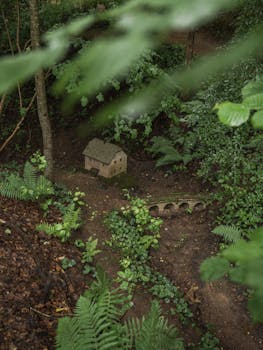
Adding tiny bridges isn’t just about their visual appeal. They create natural movement routes for microfauna, mimic real woodland trails, and encourage viewers’ eyes to travel through the habitat. Each bridge performs double duty: it adds structure and sparks new design opportunities for micro terrariums.
This article explores step-by-step methods, practical rules, creative touches, and tiny bridge maintenance. Whether you’re building your first micro terrarium or leveling up, every section gives helpful tools for unique, thriving miniature worlds.
Establishing a Bridge-Building Mindset for Micro Terrariums
Gaining confidence with tiny bridges begins when you view your micro terrarium as a dynamic, evolving landscape. Each twig becomes a tool for enhancing narrative and ecology.
Choosing twigs means getting hands-on. Run your fingers along their surfaces to feel their texture, and tap them gently. Listen for that healthy, woody snap indicating resilience. Avoid soft or brittle sticks.
Scouting for Suitable Twigs Near Home
Start in your backyard or nearby woods. Look under shrubs and small trees, where wind and rain naturally trim manageable twigs. Remember what you need: pieces as thick as matchsticks, clean, and dry.
Collect with purpose—don’t strip living branches. Gently twist fallen twigs free of dirt before storing them in a breathable paper bag. This helps prevent mold and pests from hitching a ride inside.
Set aside a few with interesting bends or forks. These unique shapes bring life to your tiny bridges and give your terrarium personality from the foundation up.
Preparing Twigs for Bridge Construction
Soak gathered twigs in water with a little white vinegar for five minutes, then rinse and let them dry completely. This step helps sanitize surfaces for safety in enclosed ecosystems.
Once dried, snap or trim each twig to the length you need. Use garden scissors or a hobby knife, cutting back to solid wood if you see rot or dark spots.
If you want, gently sand the outer edges with fine sandpaper for a smoother touch. This simple detail makes a world of difference in tiny bridges that last through weekly misting and handling.
| Type of Twig | Texture | Durability | When to Use |
|---|---|---|---|
| Willow | Flexible, smooth | Medium | Curved bridges, gentle arches |
| Oak | Rough, sturdy | High | Load-bearing paths, central features |
| Maple | Smooth, dense | Medium-high | Decorative rails, clean lines |
| Pine | Resinous, uneven | Low | Temporary bridges, experiment pieces |
| Birch | Thin, delicate | Medium-low | Hovering paths, accents |
Practical Methods to Secure Stable Tiny Bridges
Anchoring tiny bridges well stops embarrassing collapses when misting, adjusting substrate, or adding micro creatures. Rely on three fast rules for bridge-building: seek two or more contact points, keep tension minimal, and anticipate future handling.
Insert one twig end at a steeper angle than the other, pressing gently into the substrate. This single move mimics groundwork on life-sized bridges and creates reliable tension without glue.
Incorporating Non-Invasive Fastening Techniques
Interlocking is your best friend. Overlap ends with a supporting twig or root. Position the two pieces like puzzle pieces, making them hug the ground or bank for stability.
- Sink ends 1/2 inch deep: Push gently into pebbles, moss, or substrate, ensuring the bridge won’t shift after watering.
- Pinch thicker twigs against rocks: Use mini boulders as natural braces to reinforce stability.
- Bury the first support twig: Create an anchor using a short, thick stick as the bridge’s “foot.”
- Tie intersections lightly with cotton thread: Opt for neutral colors and use small knots for maximum discretion.
- Test by gently tilting or poking: If the bridge wobbles, readjust with more tension or weight until steady.
Minimize glue for tiny bridges when possible. Glue traps in moisture and can impact air quality inside closed terrariums over time. If you must glue, use a toothpick and natural adhesives sparingly.
Using Substrate and Terrain for Enhanced Support
Banks and hills add natural drama and support. Build up small mounds of soil before placing bridges. Compact gently with a spoon to give bridges a solid footing.
- Mound substrate beneath endpoints: Build two upward slopes to cradle each end.
- Use pebbles to wedge under beams: Stones hold twigs firmly without shifting during routine misting.
- Embed bridges in moss pads for cushion: Moss grips the bottom of twigs, dampening movement.
- Position near plant roots for natural anchoring: Roots create organic ties and blend structures into the scenery.
- Layer fine sand for micro stability: A dusting of sand prevents slipping on glass or plastic floors.
A stable bridge lets you dust, trim, or rearrange the terrarium without constant rebuilding. Build terrain up before adding more props—don’t try carving under a finished bridge.
Design Insights for Realistic Tiny Bridges and Paths
Well-placed, realistic tiny bridges don’t just cross over empty space. They zigzag through mossy mounds or frame small water features, echoing patterns from actual woodland landscapes.
Add twists and irregular angles along the bridge’s length, using natural imperfections from twigs. This “as found” look gives instant authenticity compared to ruler-straight craft stick construction.
Layering Multiple Bridge Styles in One Terrarium
Place a sturdy arched twig bridge across higher ground, with a flat stepping path at a lower layer. This works best in larger micro terrariums, making vertical and horizontal interest for the viewer.
Add a rope-style span using cotton string between two stakes on mossy banks to mimic rope-and-board designs. Attach the cotton loosely so it sags just like classic park rope bridges.
End each bridge with pads of soft sphagnum moss or rocks to blend the miniature with its ground. This removes abrupt transitions, completing the look in a natural way.
Emulating Iconic Bridge Structures in Miniature
Bend thin twigs to create arc shapes reminiscent of Japanese moon bridges. Hold the arch while securing the base, ensuring the tension keeps the arc above terrain features like “waterfalls.”
Stack several stick slats side by side, securing with a diagonal twig for a rustic log bridge effect. This construction visually guides the eye without bulk.
Add grainy sand or pebbles down the bridge’s center. The textured path not only helps anchor twigs but also delivers visual separation from the rest of the substrate.
Working Bridges Into the Terrarium’s Ecosystem
Small bridges benefit microfauna, like isopods or springtails, enhancing activity zones and aiding movement. Think of them as mini highways that help tiny denizens explore safely above moist patches or spots prone to mold.
Place a tiny bridge over damp moss beds, letting springtails recover dry footing on the wood’s surface. This practical function keeps populations healthy while looking natural to the human eye.
Guiding Plant Growth Around and Under Bridges
Arrange slow-growing moss along the bridge’s edge where the wood meets soil. This prevents the structure from sinking and keeps roots anchored, even with heavy misting or watering.
Weave tiny trailing ferns or vines through the rails, encouraging them to arch up the bridge. It softens lines and creates the sense of age, adding story and movement to each span.
Let roots of fast-growers extend under the bridge into partial shade. This creates lush canopies and highlights the “pathway” effect in miniature ecosystems, supporting humidity-loving plants around walkway zones.
Bridges as Feeding and Observation Stations
Use a stable bridge to deliver leaf litter or powdered food for isopods directly onto the bridge deck. This tactic prevents overfeeding the substrate and simplifies cleanup during routine terrarium care.
Bring your magnifier close and watch as tiny inhabitants congregate, climbing and retracing their steps. This unique behavior reveals micro-interactions invisible with flat terrain alone—hours of quiet entertainment, guaranteed.
Install a removable bridge so you can lift and observe without disturbing the whole environment. This modular building approach allows easy cleaning or plant rearranging beneath paths.
Decorative Techniques to Personalize Tiny Bridges
Time to bring artistry and character to each bridge. A splash of creativity elevates your construction, making every micro terrarium unmistakably your own and starting fresh conversations every time someone peeks inside the glass jar.
Attach natural moss or lichen clusters onto bridge rails for forest realism. Use a toothpick dab of plant-safe glue, spacing accents so the underlying structure stays visible, not hidden beneath all decoration.
Adding Mini Railings and Timber Details
Split a thin twig or bamboo skewer lengthwise, then glue upright pieces near the bridge’s edge for a rustic handrail. Add diagonal accents for a more ornate style or to echo miniature log fences seen in parks or gardens.
Use sharpened toothpicks at either end as “posts” to suggest a more purposeful build. This helps the bridge feel like a deliberate crossing, not just a stick laid across the terrarium.
Dot bridge midpoints with a small lump of modeling clay, imitating a stone pile or marker. Wrap thin twine around a post for a whimsical touch that’s easy to change if the mood strikes later.
Weathering Effects for Realism
Rub a little dark brown or gray chalk pastel onto dry twig surfaces, then brush off excess. The subtle “weathered” look simulates age and visually grounds the structure inside the ecosystem.
Add specks of aquarium-safe paint (barely-there dots) for lichen or lightly blotch the wood’s surface with green. When dry, the bridge reads as part of the landscape rather than a new addition.
Finish by dusting a little fine charcoal dust, using a dry brush to feather it into cracks and bends, mimicking real-world exposure.
Maintenance and Longevity Strategies for Bridges
Routine checks keep tiny bridges functional and clean. Inspect every week for discoloration, mold, or movement. If the structure feels loose, reposition supports or add fresh anchors as soil shifts.
When misting, keep the spray gentle around bridges. High water pressure erodes substrate and loosens twigs. For extra protection, shield the bridge with a hand while lightly misting nearby moss or roots.
Preventing Mold and Decay Proactively
Season bridges every few months with a vinegar solution, then rinse thoroughly before drying. This tip minimizes algae and mold formation, even if your micro terrarium is tightly closed.
If a bridge starts to soften or darken, remove it right away. Scrape out any adjacent moldy substrate, stir in fresh moss, and then replace with a new sanitized twig.
Mark your calendar: Replace bridges every three to six months for the healthiest closed terrarium system. Rot-free bridges last longer and spark less work in the long run.
Optimizing Lifespan With Correct Materials
Select hardwood twigs over softwood for permanent builds. Oak and maple resist decay in constantly moist micro terrariums better than pine or fir twigs.
For high-humidity environments, coat twig ends in beeswax before placing them. The wax sheds water and extends the structure’s usable lifespan by several weeks.
Combine waxed, hardwood twigs with frequent, light cleaning. This pairing preserves both stability and aesthetics even in the most demanding micro terrarium ecosystems.
Reflecting on Creative Micro Terrarium Building
Every micro terrarium gains fresh dimension when you add tiny bridges, making each world uniquely personal and alive. They’re functional, supporting miniature life, and introduce viewers to the intrigue of detailed habitat design.
Following bridge-building principles—scouting, preparing, and layering natural materials—fosters both relaxation and mastery over miniature spaces. Attention to practical steps and organic artistry ensures no two builds are ever alike.
Give your terrarium a new story: Build a bridge, test its strength, add a little wild charm, and watch as the whole world beneath glass grows even more enchanting.
Frequently Asked Questions
What size should tiny bridges be in a micro terrarium?
Tiny bridges are most effective when they’re one-third to one-half the width of your terrarium’s base. Measure the distance between banks, and use twigs that don’t crowd plants or overhang the container’s edge. Keeping scale in mind keeps the look believable and functional.
Can I use glued bridges in a closed ecosystem?
It’s possible, but use plant-safe glue sparingly and only on the smallest surface area. Avoid heavy glue use, as it may trap moisture or create unintended off-gassing if confined. Test stability before introducing microfauna to the setup.
How do I prevent mold growing on bridges?
Sanitize twigs before use and check weekly for any white or green patches appearing on the wood. Use a vinegar rinse every few months, and immediately replace any bridges showing signs of decay or discoloration for the health of your terrarium.
When should I replace or refresh tiny bridges?
Plan to replace bridges every three to six months, or sooner if you notice softness, cracks, or changes in color. This maintenance step avoids introducing rot and keeps ecosystems healthy, especially in high-humidity, closed terrariums.
Are tiny bridges just decorative or do they help the terrarium ecosystem?
Tiny bridges provide both aesthetic value and ecological benefit. They help microfauna navigate terrain, keep delicate plants from being trampled, and offer new ways to deliver food—while also giving your terrarium a deeply personalized character.