
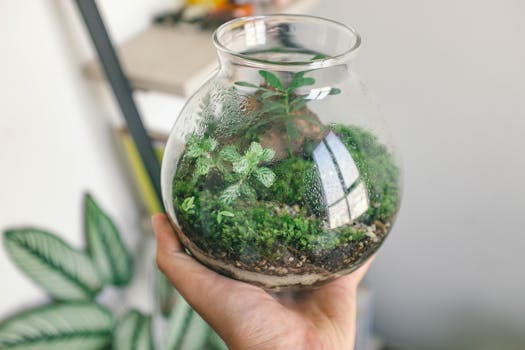
Small ecosystems ignite curiosity and delight. For anyone craving a taste of the wild at home, micro terrarium ecosystems let you shrink a world of intrigue onto your shelf. Among the stars of miniature displays, carnivorous plants offer a unique charm and interactive twist in tiny habitats.
Carnivorous plants don’t just lure insects—they spark conversation and observation. In compact environments, these natural hunters become living sculptures. Their specialized needs make keeping them in tiny terrariums rewarding for patient, attentive growers.
Whether you’re nurturing sundews or tiny Venus flytraps, understanding the nuances of these plants elevates your micro ecosystem. Dive in, and discover proven pointers for crafting thriving terrariums that showcase the dazzling drama of carnivorous plants in miniature.
Choosing Suitable Carnivorous Plants for Micro Terrarium Ecosystems
Selecting the right species ensures your micro terrarium ecosystem flourishes. Small, slow-growing carnivorous plants fit best, thriving in contained, humid glass containers without overwhelming their neighbors.
Neat boundaries keep a peaceful aesthetic and limit competition. A practical approach is to focus on varieties proven to stay compact, like sundews and miniature pitcher plants. These species remain manageable in palm-sized spaces.
Understanding Size and Growth Habits
Drosera capensis ‘Alba’ grows with slender, sticky leaves that rarely exceed three inches across. These sundews stay petite without sprawling, so you avoid crowding and constant pruning in the micro terrarium ecosystem.
Pygmy sundews, like Drosera scorpioides, cluster in small, starry rosettes under two inches wide, fitting perfectly among mosses and delicate hardscape. Slow growth allows neighboring flora to share the space harmoniously.
Utricularia sandersonii offers rabbit-eared, pale blue flowers atop flat green mats. Its tiny size lets roots wind gently amongst companion mosses, creating a cohesive miniature world inside your glass vessel’s base layer.
Considering Environmental Requirements
High humidity remains essential for carnivorous plants; closed terrarium designs best support this. Temperatures between 65 and 78°F typically suit most micro varieties, sparing you difficult adjustments to your room’s ambient conditions.
LED grow lights work wonders in low-light homes. Place the terrarium under Twelve hours of gentle light daily, encouraging vigorous, healthy traps, leaves, and blooms from compact carnivorous plants.
Water with distilled or rainwater instead of tap to protect roots. Most micro carnivorous plants display vibrant coloration and more active traps when given pure water and never allowed to dry out.
| Plant Name | Max Size | Light Preference | Key Takeaway |
|---|---|---|---|
| Drosera capensis ‘Alba’ | 3 inches | Bright, indirect | Perfect for smallest terrariums, non-aggressive growth |
| Dionaea muscipula ‘Petite Dragon’ | 2 inches | Direct, filtered | Classic Venus flytrap performance, ideal for beginners |
| Drosera scorpioides | 2 inches | Bright, indirect | Unique starry form, fits compact designs |
| Utricularia sandersonii | 2 inches wide mat | Low to medium | Cute ‘bunny ear’ flowers, great with moss |
| Sarracenia purpurea var. venosa | 5 inches tall | Bright, direct | Short pitchers, tolerant of seasonal variation |
Small-Space Success: Maintaining Moisture and Air Circulation
Accurate humidity and airflow keep carnivorous plants strong in confined spaces. Sealed terrariums preserve moisture, but careful venting helps prevent fungal problems and supports healthy plant respiration.
Monitor condensation daily. Wipe down excess water droplets inside the glass, and crack the lid for several hours if fungal growth or musty odors appear. Consistency delivers robust plant health in your micro terrarium ecosystem.
Keeping Water Levels Consistent
Let distilled water pool slightly at the soil’s base; this mimics bog habitats and gives roots constant access to moisture. Check water levels with a slim pipette inserted into the substrate every two or three days.
- Add distilled water via syringe gently into the substrate when the moss feels less springy to the touch. This encourages roots to spread evenly and prevents dry patches around tiny carnivorous plants.
- Use shallow water trays beneath your terrarium for extra humidity, especially during radiator season. Evaporating water sustains a blanket of moisture without direct sogginess on the plants themselves.
- Avoid tap water, which can accumulate minerals that damage delicate roots and slow trap response. Always label your watering tools “for terrarium use only.”
- Mist the foliage gently once or twice weekly, holding the spray bottle eight inches away to avoid bruising leaves. Fine mist recreates foggy forest mornings common to carnivorous plant habitats.
- Monitor leaves for crispness—a sign of underwatering. Carnivorous plants display their best color and most active traps when the entire micro terrarium ecosystem is kept reliably damp.
Close observation and gentle watering quickly become second nature, helping both newbies and collectors keep carnivorous plants in peak condition inside their tiny glass worlds.
Balancing Humidity with Airflow
Prop open the terrarium lid one-eighth inch a few hours per day, especially after misting or warm, sunny days. This encourages airflow without sacrificing the high humidity carnivorous plants require.
- Anchor small wedges (like bits of cork or chopsticks) beneath the lid to keep it ajar; this limits big swings in humidity and allows excess warmth to escape.
- Arrange foliage so leaves don’t touch the glass where water collects regularly—reducing risk of mold and ensuring each carnivorous plant gets proper airflow from all sides.
- Trim back overgrown mosses that crowd traps, as dense mats can trap stagnant air around the roots, leading to soggy, unhealthy conditions for miniature pitcher plants or sundews.
- Rotate your terrarium occasionally so all sides get similar airflow and light, especially near windows or artificial lamps. Balanced exposure creates symmetrical growth and fewer fungal issues.
- Check for subtle changes in leaf texture—withered tips or fuzzy spots mean humidity is too high or air is too still. Adjust ventilation and misting frequency right away to protect your prized carnivorous plants.
Finding your rhythm with misting and venting lets you quickly spot trends and correct issues, ensuring every plant in your micro terrarium ecosystem thrives in its unique microclimate.
Feeding Micro Carnivorous Plants the Right Way
Direct feeding supports the health and lively growth of carnivorous plants within confined habitats. The goal is mimicking the steady diet of tiny insects they’d catch in the wild, but on a micro scale.
Overfeeding or using unsuitable food leads to rot and stress, especially in closed ecosystems. Precision is key—this means tiny portions and gentle handling for your miniature flytraps, sundews, and pitchers.
Choosing and Preparing Food Sources
Feed only live, soft-bodied insects (like wingless fruit flies) or freeze-dried options rehydrated in distilled water. Never use fertilizer or table scraps, as these can damage sensitive traps and invite mold.
Using tweezers, gently place food on the active part of the trap, avoiding rough handling. In sundews, a bug sticks naturally to the dewy tentacles. For flytraps, trigger the “mouth” with a tiny insect and close the lid.
Feed once every 2–4 weeks if the terrarium lacks insects. Observe natural prey in your space: if springtails or fungus gnats appear on their own, supplemental feeding may be unnecessary most months.
Signs Your Plant Needs Nutrients
Lack of growth, slow trap closure, or pale leaves suggest nutritional gaps in your carnivorous plants. Healthy micro terrarium ecosystems support bright color and quick, animated responses when properly fed.
A typical sign of a satisfied Venus flytrap: the trap closes rapidly and reopens after a week, looking plump and eager. Drooping or limp traps often signal insufficient feeding or old age, especially in enclosed spaces.
Record feeding times with a sticky note on your terrarium base or calendar app. Consistent routines prevent overfeeding and keep every trap at peak health year-round, no matter how tiny your ecosystem.
Cohabiting Micro Habitats: Planting Companions and Arrangements
Balancing carnivorous plants with companion species keeps small terrariums visually stimulating and healthy. Mix miniature mosses, ferns, and select epiphytes to enrich the micro habitat without overwhelming carnivorous plants’ delicate balance.
Planning the layout is akin to arranging a living sculpture—each plant should complement rather than compete. Visualize the finished design before you plant, leaving space for roots to breathe and foliage to expand gracefully.
Micro-Scale Planting Techniques
Use tiny spoons or chopsticks as tools for precise planting. Scoop and nestle carnivorous plants carefully, tucking roots gently into pre-moistened substrate without compacting it too much—this allows air to permeate and avoid waterlogging.
Plant companion mosses or ferns around the carnivorous plants’ bases, creating a lush carpet that helps retain humidity. Position taller accents, like miniature bromeliads, at the perimeter to frame centerpiece carnivorous plants.
Anchor driftwood, pebbles, or crystals between the micro plants as design elements. These also serve to delineate boundaries, guiding roots and preventing mosses from overgrowing delicate sundews or pitcher plant traps.
Scenario: Rearranging an Overgrown Ecosystem
Imagine noticing moss creeping onto sundew leaves. To remedy this, gently unearth the moss-tangled sundew with tweezers, trim excess moss, and replant with more spacing. This routine prevents crowding and preserves each carnivorous plant’s showcase position.
A hobbyist observes a miniature flytrap’s traps facing the container wall and not opening fully. Turning the entire plant 45 degrees gives room for new traps to grow toward the light and improves airflow, reducing mold risk.
Each adjustment keeps your micro terrarium ecosystem vibrant and enduring. Minor tweaks, done frequently, maintain the visual harmony and health of carnivorous plants paired with supportive allies in your display.
Long-Term Care for Stable, Self-Sustaining Micro Terrariums
Routine habits set the foundation for reliability in micro terrarium ecosystems. A checklist approach, with simple, actionable steps, keeps carnivorous plants content year after year in their compact glass homes.
Adopt a ritual: check water and condensation levels every Sunday, rotate the container twice weekly, and inspect each carnivorous plant closely for changes in color or texture. Record any updates for next month’s adjustments.
- Observe leaf color weekly; bright red or green signals good health. Take photos to track subtle changes and spot trends over seasons for each carnivorous plant.
- Prune old pitchers or spent traps once a month with sterilized scissors to stimulate new growth and keep small-scale habitats tidy and mold-free.
- Avoid fertilizing soil directly. Stick with insect feedings. This stops nutrients from accumulating in closed environments and keeps carnivorous plants responsive and vibrant.
- Check glass cleanliness every two weeks. Clear walls let in maximum light, which small carnivorous plants rely on for efficient trap production and coloring.
- Store all tools and misters separately, labeling them just for terrarium use. This prevents cross-contamination and ensures the delicate equilibrium in your micro ecosystem remains untouched by outside microbes or chemicals.
Frequently Asked Questions
What’s the best carnivorous plant for a beginner in a small terrarium?
Drosera capensis ‘Alba’ works well for newcomers. Its small size, active sticky traps, and relatively undemanding care requirements allow for visible success in even tiny glass enclosures—just keep humidity high and avoid fertilizer.
How do you prevent mold when growing carnivorous plants in micro terrariums?
Maintain constant but moderate moisture and vent the lid several hours a day, especially after misting. Remove any dead material immediately. Use living moss as a ground cover to provide airflow and naturally suppress fungal outbreaks.
Can carnivorous plants survive only on bugs trapped in a sealed terrarium?
Most micro terrarium setups lack enough live insects, so supplemental feeding every few weeks is advised. Use soft-bodied bugs or rehydrated freeze-dried prey, and always remove uneaten food within 48 hours to prevent rot.
How do you introduce moss or other plants without harming carnivorous species?
Pre-moisten the new moss or companion plant and gently nestle it near the base of the carnivorous plant. Avoid covering traps or pitchers, and use clean tweezers or chopsticks to position each plant for best airflow and display.
What’s a sign a carnivorous plant might need more humidity?
Crisping leaf edges, sluggish trap response, or dull coloration on a carnivorous plant typically show humidity is too low. Try misting more often, adding a humidity tray, or temporarily sealing the lid more tightly after new plantings.