
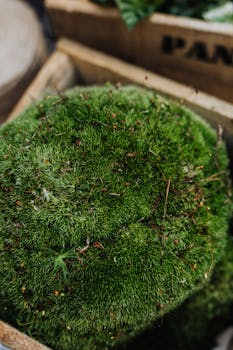
Curious why your micro terrarium ecosystem sometimes thrives while at other times plants wilt? A critical but easy-to-miss detail could be the regular checking of pH levels in your substrate and water.
Stable pH levels create an environment where beneficial microbes and roots do their best work. Ignore them, and terrarium plants may experience stunted growth, yellowing leaves, or root issues, no matter your care efforts.
This guide will take you step-by-step through understanding, measuring, and adjusting pH levels in micro terrarium ecosystems, so you can keep your tiny green world balanced for lasting health and vibrancy.
Recognizing Early pH Level Imbalances: Visible Signs and Actions
Spotting subtle signs early lets you correct micro terrarium pH levels before trouble sets in. Plants show stress long before a total decline, so tune into small changes.
Yellowing at the tips or edges of leaves, brown spots, or slow new growth can signal pH levels drifting outside the ideal range for your chosen plants.
Detecting Mild Leaf Color Changes
When you see leaves sporting yellow edges, especially on new shoots, check the pH levels in your micro terrarium. Chlorosis reflects nutrient lockout, common in acidic or alkaline soil.
If leaves turn a dull, faded green instead of their usual vibrant hue, that’s another cue. The shift happens as the plant can’t absorb needed nutrients if pH levels are wrong.
Use a digital or strip-style pH meter and jot down readings after each water addition or substrate refresh to track trends.
Observing Growth Patterns for Warning Signals
Plant growth suddenly slowing or shoots seeming weaker than previous weeks? Reevaluate your pH levels—the shift may be recent or linked to new materials.
Mosses carpet slowly or shrink if the micro terrarium pH is incorrect, while ferns may drop smaller leaves or push out distorted fronds.
Don’t dismiss root problems: if roots are brown, mushy, or sparse during replanting, your ecosystem may have battled unsuitable pH levels for weeks.
| Symptom | Likely pH Problem | Ideal pH Range | Action to Take |
|---|---|---|---|
| Yellowing leaves | Too acidic or too alkaline | 5.5 – 7.0 | Test, then adjust up or down gradually |
| Brown tips | Alkalinity high | 5.8 – 6.5 | Add peat moss or acidifying substrate |
| Slow root growth | Acidity high | 6.0 – 7.0 | Incorporate a buffer or add limestone chips |
| Patchy moss coverage | pH instability | 5.0 – 6.0 | Check for substrate breakdown |
| Distorted new shoots | pH swings | 5.8 – 6.8 | Stabilize with consistent watering and testing |
Setting Up Routine Checks to Maintain pH Balance Consistently
Sustained success comes from building a routine of measuring and adjusting pH levels in micro terrarium environments. Schedule regular checks, especially after adding water or new soil.
Routine doesn’t mean tedious. Create step-by-step habits so you catch small changes before they develop into plant health issues.
Using Logbooks to Track and Interpret Readings
Start a mini logbook dedicated to your micro terrarium’s readings. Every week, record the pH level after watering and note the plant’s appearance and any environmental shifts.
- Record the brand and type of soil, since components like sphagnum and peat moss can impact pH levels over time.
- Write down the type of water used: tap, distilled, rain, or filtered, as minerals in each influence long-term trends.
- Note the date and your exact test readings, not just a general sense. “Measured pH: 6.2 after adding two drops of distilled water” keeps future decisions clear.
- If using supplements such as fertilizers, track their addition and recheck pH levels a day later. Some nutrients cause swings.
- Summarize plant responses—whether leaves perked up, wilted, or showed no change—so you’ll see patterns.
Accurate records help you spot slow drifts in pH levels, letting you make incremental corrections before any real damage sets in.
Choosing the Right Testing Tools for Precision
Even simple, affordable test kits help maintain accurate pH for your micro terrarium. Compare strip tests, digital meters, and liquid droppers for fit, cost, and ease of use.
- Use liquid dropper tests if you want visual confirmation and low cost but don’t need decimals in your pH levels.
- Pick paper test strips for quick, disposable use—handy for checking after a substrate refresh or fertilizer addition.
- Choose a digital pH meter when you tweak conditions often or need to fine-tune within small margins, such as when mixing different soil types.
- Always calibrate digital meters before use—test them with “pH 7” solution for reliability, especially after months of storage between checks.
- Replace test strips and liquid solutions yearly as their accuracy fades; keep a calendar reminder.
Accurate measurement tools and good habits are foundational. They take the guesswork out of keeping your micro terrarium pH levels right where you want them.
Aligning Terrarium Plant Selection with Optimal pH Ranges
Choosing plants suited to your substrate’s natural pH levels increases your odds of thriving micro terrarium growth from day one. Assess your mix and pick accordingly—don’t force a fit.
If using a commercial substrate blend, check its pH range on the package. For DIY mixes, test before planting and write down results to streamline future choices.
Grouping Plants by Shared pH Preferences
Plants that prefer the same pH levels help each other thrive and reduce the need for frequent substrate tweaks. For example, most ferns and mosses flourish between pH 5.5 and 6.5.
Tiny peperomias or pilea species may tolerate slightly more alkaline conditions, but mixing them with acid-loving mosses can cause inconsistent results and stress to at least one group.
Check preferred ranges for each species before planting. Keep labels or a small note stuck to your terrarium for future reference or identification.
Scenario: Matching Plants with Substrate for Best Results
Imagine assembling a moss-centric micro terrarium. You’ve chosen an orchid bark mix with a stable pH of 5.8. Adding fittonias or small ferns, whose pH preference is similar, sets you up for predictable success.
If you included succulents, which enjoy more alkaline conditions, their sluggish growth would cue you to check and likely adjust the medium. The extra step signals a mismatch needing quick action.
To avoid this scenario, always test your mix and consult plant preference charts so you only combine compatible species. You’ll see healthier growth and less remediation overall.
Adapting Watering Practices to Prevent pH Instability
Adjust your watering habits to prevent pH swings that disrupt your micro terrarium’s delicate balance. Water type, amount, and timing all affect substrate acidity or alkalinity.
After each water top-up, retest pH levels and note any changes. This method reveals whether your routine supports your chosen plant species’ success.
Tailoring Water Types for Best pH Results
Filtered or distilled water minimizes disruptive minerals and salts, helping keep pH levels stable over time. In contrast, tap water with high calcium may nudge your micro terrarium toward alkalinity.
Stick to one water type to avoid unpredictability. If you must swap, record the timing and impact on readings for smarter future adjustments.
Allow room-temperature rainwater to settle for a day before use—this ensures dissolved CO2 won’t briefly alter your tests or shift pH levels when added.
Troubleshooting Stubborn pH Problems: Practical Adjustments
When you’ve tried the basics yet pH levels drift out of range, turn to simple techniques designed for micro terrariums. Avoid harsh chemicals; small spaces require gentle, reversible tweaks.
Work slowly to avoid stressing microorganisms and roots. Document each change in your log so you can reverse course if results aren’t as expected.
Adding or Removing Materials for Gentle Correction
Acidify soil with a pinch of fresh sphagnum moss, pine needles, or a tiny sprinkle of horticultural sulfur, checking progress every few days until pH levels read as desired.
Raise alkalinity by adding finely crushed limestone or a light dusting of powdered eggshell. Test after each addition and stop as soon as pH levels stabilize within the chosen range.
Avoid over-correcting—small micro terrarium volumes are very sensitive to every adjustment, so add, test, and wait before fine-tuning further.
Scenario: Reacting to a Sudden pH Spike
For example, say your moss dome suddenly reads pH 8.2—well above what’s healthy. Before panic sets in, remove a tablespoon of substrate, sprinkle in more sphagnum, and blend with a chopstick.
Retest in a day. If pH continues falling, stop and observe. If it’s still too high, repeat in tiny increments. Quick, gentle corrections restore balance faster than drastic intervention.
By moving slowly and recording each adjustment, you avoid shocking sensitive plants and can always retrace your steps for consistent micro terrarium health.
Protecting the Whole Ecosystem: Synergy and Long-Term pH Control
Thinking beyond plant roots, pH levels shape the entire micro terrarium ecosystem—from active microbes breaking down waste to symbiotic relationships between fauna, mosses, and ferns.
Balance ensures everyone in your tiny environment benefits, with nutrients cycling smoothly and waste converting safely, mirroring nature’s closed loops on a miniature scale.
- Maintain regular fungus and microfauna checks—creatures like springtails act as pH canaries, disappearing if conditions worsen.
- Refrain from excessive fertilizing, which spikes pH levels. Use slow-release types in minuscule amounts only after measuring base-line readings.
- Remove decaying leaves promptly—decomposition in closed containers leads to acidification over time. Stir lightly to aerate compacted spots.
- If terrarium walls fog excessively or the smell turns sour, check pH levels—these sensory clues point to ecosystem shifts, not just surface problems.
- Spring cleaning is vital: every six months, gently tip out and reuse only healthy substrate. Refreshing part of the soil maintains stable pH for the next growing period.
Micro terrarium health isn’t just about the plants you see—it’s the outcome of every organism working in harmony, all driven by stable, appropriate pH levels beneath the surface.
Building Confidence: Small Habits That Simplify pH Level Management
By now, you’ve learned what to observe, record, and tweak for consistent pH levels in a micro terrarium ecosystem. Confidence grows with small, repeatable wins that lead to visibly happier plants.
Set weekly or bi-weekly reminders to check conditions, keeping each session brief and stress-free until habits become second nature. Don’t wait for visible distress—quiet vigilance is your best preventative ally.
Log success stories too: for example, “Moss grew fuller after I kept pH at 5.8 for two weeks.” Revisit notes when troubleshooting or sharing advice with other enthusiasts, strengthening your knowledge over time.
Frequently Asked Questions
How do I safely lower the pH levels in my micro terrarium?
Lower pH by mixing in small amounts of sphagnum moss or peat. Add little by little and test the pH every day until levels are back within the ideal range. Always proceed slowly to avoid shocking plants.
Can I use tap water to water my micro terrarium?
Tap water is permissible if you’ve tested its pH and hardness. However, filtered or distilled water provides more predictable pH results, minimizing swings that may result from fluctuating municipal water sources.
How often should I check pH levels in a closed micro terrarium?
Check pH levels at least every two weeks, and anytime you notice unusual plant growth or after adding new soil, water, or fertilizer. Keep consistent notes to spot early shifts before they cause issues.
What pH range is best for mosses and ferns in micro terrariums?
Mosses and ferns generally prefer slightly acidic conditions, around pH 5.5 to 6.5. Staying in this range ensures nutrient availability and supports beneficial microfauna vital for decomposition and plant health.
Do microfauna like springtails affect pH levels?
Springtails themselves don’t directly change soil pH but act as indicators. If they disappear, test your pH levels immediately—the environment could have shifted, impacting the whole ecosystem’s balance.