
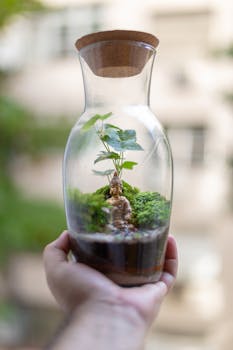
Staring at a tiny glass terrarium, it can almost feel like watching a living city unfold. Some growth rate plants shoot up fast, while others stay compact and calm. In a micro terrarium, size and speed affect everything: balance, maintenance, and how your experiment thrives.
Picking the right growth rate plants means more than just filling space—it’s choosing actors for a living story, each with their own pace. You’ll nurture harmony or chaos with your selections. Size and speed can shift the entire ecosystem overnight.
This article walks you through the essentials of selecting growth rate plants and tailoring your micro terrarium’s look, care needs, and longevity. Let’s explore how you can curate the perfect miniature habitat, one decision at a time.
Set Clear Growth Goals for Micro Terrariums
Decide exactly how you want your micro terrarium to perform before shopping for growth rate plants. This approach minimizes overcrowding and keeps maintenance manageable for the long haul. Visualize an end result.
If you want dense, mossy coverage, prioritize slow-growing varieties that won’t outpace each other. For a jungle-like feel, choose a couple of fast growth rate plants with compact companions. Every choice shapes the story inside your glass container.
Use Analogies for Choosing Your Plant Cast
Think of your terrarium as a movie cast: mixing characters (growth rate plants) with different roles. Small-leaved mosses play steady background actors, while a fast-growing fern steals the scene unless managed. Balance makes the script succeed.
You wouldn’t put only leading actors in one film. By letting slow and fast growers mingle, you mimic nature’s real-world drama, ensuring every plant gets its turn and no one overpowers the ecosystem. That harmony brings visual excitement.
If you follow this analogy, you’ll create a world anyone would want to watch unfold for months, not a short film with just one star overwhelming the rest.
Create Space with Plant Layering
Layering isn’t only for lasagna. In micro terrariums, arrange slow- and fast-growers in distinct zones. Place ground-hugging growth rate plants at the base, then work up in tiers with ferns or semi-upright foliage.
For example, a terrarium base of creeping moss (slow), mid-ground of small fittonia, and a focal Asplenium fern (fast) above uses vertical space. Each gets enough light and airflow, so no single plant dominates. Adjust as you watch them grow.
Layered planting adds visual intrigue and helps you predict what might need trimming first so nothing blocks the view or outgrows its neighbors too quickly.
| Plant Name | Growth Rate | Mature Size | Best Use in Terrarium | Takeaway |
|---|---|---|---|---|
| Leucobryum Moss | Slow | 2 in/5 cm | Groundcover layer | Safe for low maintenance and structure |
| Pilea glauca | Medium | 3 in/7.5 cm | Trailing edge | Use to soften hard lines or rock |
| Asplenium nidus (Mini) | Fast | 5 in/13 cm | Tall focal | Keep trimmed, gives instant impact |
| Selaginella kraussiana | Medium-Fast | 2.5 in/6 cm | Mid-ground fill | Bring textural variety, easy to shape |
| Cryptanthus bivittatus | Slow-Medium | 2 in/5 cm | Accent or highlight | Best for color without fast spread |
Match Plant Growth Behaviors to Your Maintenance Routine
Your commitment level shapes which growth rate plants belong in your micro terrarium. Fast, wild growers require more trimming and vigilance, while slow growers need patience and less intervention.
Plotting out your care schedule upfront prevents unwanted surprises. Growth rate plants that suit your rhythm make daily upkeep feel rewarding, never stressful. Choose accordingly for less frustration and more delight.
Build Your Quick-Check Routine
Keep an eye on the top of your micro terrarium every two days to catch sprawl early. Scoot fast growth rate plants back from the glass and gently remove crowded leaves. Quick action every few days keeps the look tidy.
- Observe leaf edges for overgrowth: Prune as needed so neighbors get space and light.
- Pinch runners at the soil: Prevent trailing stems from choking smaller, slower growers.
- Wipe condensation early: Less moisture build-up can curb runaway ferns.
- Snip and propagate: Fast growers make excellent cuttings for friends or expansion.
- Rotate the terrarium every week: Ensure even growth on all sides, especially for fast climbers.
By sticking to this routine, you’ll keep the ecosystem balanced and avoid rescue missions later.
Establish Your Long-Term Growth Vision
Imagine yourself peeking in after six months. Are growth rate plants balanced, or is one species crowding out the rest? Your maintenance influences those outcomes. Track changes every two weeks and jot notes about heights or shape.
- Use plant markers to flag rapid growers: Remove or reposition if two species collide for space.
- Record monthly heights: Noticeably faster spikes signal an adjustment is due.
- Strategically thin leaf clusters: Let sunlight reach slower or hidden plants below.
- Create mini “meadows” with slow-moss patches: They provide buffers between quicker-growing foliage and help prevent turf wars.
- Share plant cuttings: Spread success by gifting spare trimmings before overcrowding happens.
You’ll spot patterns quickly and develop a personal growth map, making future plant choices smarter and easier.
Balance Light, Humidity, and Growth Rate Plants in Small Spaces
Lighting and humidity play pivotal roles in shaping how growth rate plants behave inside a closed micro terrarium.
Low light slows most terrarium dwellers, while higher humidity can accelerate growth rate plants’ vigor. Tune both to steer plant development toward your vision for the ecosystem.
Tune LEDs and Sunlight for Controlled Outcomes
A mini LED or a position near filtered sunlight changes the rules. Direct exposure boosts growth rate plants, sometimes wildly. If you crave tight control, limit direct sun and stick with dimmer, diffuse light for even results.
For a dense, mossy floor with minimal reach, stick to corners or use opaque lids. For more dramatic, leafy upward spread, a brief spell of bright light can encourage ferns or pilea to race upwards without chaos.
Adjust placement every week to ensure no one corner becomes too hot or cold for your chosen mix of growth rate plants. Subtle tweaks yield better long-term shape and size control.
Manage Water Cycles for Predictable Results
Closed containers hold humidity longer, so growth rate plants might outstrip your plans if unchecked. When misting, aim for the soil to feel slightly damp but not soggy—excess moisture sets fast growers into high gear.
Check under leaves weekly for excess droplets. If moss or fittonia look leggy, reduce misting intervals. If they wilt or brown, add water incrementally and watch response for a week before adjusting again. This feedback loop helps maintain size and pace.
Stable soil moisture means growth rate plants develop as expected, not as a surprise invasion. Keep logs of how each change affects the ecosystem, so you can tweak as needed.
Combine Fast and Slow Growth Rate Plants for Lasting Harmony
Pairing both fast and slow growth rate plants brings out the best in your micro terrarium while preventing one species from taking over.
Deliberate mixing encourages diverse textures and colors, making the environment more stable and visually appealing for months.
Position Each Growth Rate Plant for Visual Impact
Place fast-growing ferns toward the terrarium’s rear to create depth. Position slow-moss varieties near the front, close to the glass. This simple step improves your view and leaves room for trimming quickly when growth rate plants gain speed.
Break up straight rows so no single plant line looks forced. Instead, opt for curved shapes—think arcs or clusters—to mimic natural forest floors. Each plant cluster tells its own story while supporting neighbors’ health and aesthetics.
Strategic placement means less crowding, fewer overgrown sections, and a more organic, thriving display over time. You can always adjust new plants as the ecosystem matures and your ambitions change.
Build Symmetry and Variety with Planned Arrangements
Create a rough sketch before planting, with two growth rate plants per zone: one slow, one fast. This design trick ensures your micro terrarium evolves evenly, never lopsided or patchy.
Positioning similar-sized plants opposite each other creates a sense of balance. Use contrasting leaf shapes (broad, thin, spiky) to amplify visual interest, nudging the eye to roam the whole container and not fixate on one area only.
Review photos of your ecosystem every other week and reorganize if any plant breaks symmetry or blocks late bloomers. Adjustments maintain harmony without overwhelming roots or foliage.
Train and Prune Growth Rate Plants for Micro Terrarium Success
Directing growth rate plants’ behaviors guarantees healthier micro terrarium dynamics. Pruning and shaping ensures everyone has enough space and light to flourish without chaos.
Follow proven steps to develop a regimen and stick to it. Shape routines keep plants healthy and attractive in tight quarters.
Implement Weekly Micro-Pruning for Fast Growers
Every seven days, check stems and foliage close to the glass. Snip runaway branches with sanitized scissors, keeping shapes compact. Be careful not to remove more than a third of any plant to avoid shock. Notice the difference after each session.
Look for new growth tips and cut them back if they reach spaces meant for slower growth rate plants. If leaves touch the glass or the lid, trim to allow airflow and prevent fungal issues from condensation build-up. Your fingers will become familiar guides in shaping your ecosystem’s evolution.
Track how much faster certain growth rate plants rebound after each cut; use this knowledge to refine your routine. The goal is always a harmonious balance, not a race to fill the entire terrarium.
Encourage Vertical and Lateral Growth Appropriately
Guide upright plants upward using small stakes if necessary. Press horizontal stems slightly into the substrate for spreading effect, but don’t bury nodes too deeply—light must reach growing points for best results.
For growth rate plants like trailing pilea, coil vines around rock or driftwood to maintain structure without overtaking others. Monitor response: healthy plants will adapt and thrive, while stressed specimens show droop or discoloration, signaling a need to change tactics.
Observe how each technique influences your micro terrarium ecosystem in a weekly progress log, noting successes and learning from setbacks. This habit shapes future choices with greater confidence and predictability.
Prevent and Address Overcrowding in Micro Terrariums
Active monitoring helps you spot signs of overcrowding and act before it becomes unmanageable. Alertness lets you intervene early, maintaining balance and visual appeal inside confined micro terrarium environments.
If dense patches develop, have a tool kit for safe, effective corrections on hand to shield slow growth rate plants from being smothered by faster companions.
Spot Early Signs and Apply Timely Corrections
New yellow leaves or stems curving up the sides often mean it’s time to thin growth rate plants’ ranks. Gently lift out a plant, check its roots, and reposition if necessary for your plan. Early action saves later work.
If moss browns at the edges or ferns stretch toward the light, adjust lighting or airflow immediately. It may signal that faster-growing neighbors are hogging resources. Shift pieces so each section gets adequate light and water levels.
Try rotating crowded plants out and back every couple of weeks, keeping weaker growth rate plants safe and nurturing. These practical habits maintain order with a minimum of guesswork or stress.
Streamline Overcrowding Rescue Steps
Use gentle tweezers to lift and separate tangled stems. Remove weak or stunted sections with precision cuts, favoring the healthiest portions. Place any removed growth rate plants in water or soil to root for future terrarium projects or gifts.
Space plants slightly farther apart after intervention, allowing roots to recover and reestablish themselves. Add a new layer of moss if you’ve cleared a section, restoring visual cohesion quickly without missing a beat.
Clean and sanitize your tools between uses to avoid transmitting disease or pests. Frequent, quick adjustments build a stronger and healthier micro terrarium over time.
Conclusion: Craft a Dynamic, Low-Stress Micro Terrarium Ecosystem
Every micro terrarium is a living, evolving story shaped by your choices—especially your selection of growth rate plants. Each species’ pace, size, and needs offer an opportunity to create the balance you want.
By mixing growth rate plants carefully and using maintenance routines tailored to your own schedule and vision, you’ll enjoy a vibrant, manageable ecosystem year-round. Balancing dynamics leads to beauty and satisfaction, not frustration.
Let this process become second nature: observe, adjust, and celebrate your progress. Your micro terrarium will reward you with ongoing growth, learning, and joy—one carefully chosen plant at a time.
Frequently Asked Questions
What is the ideal number of growth rate plants for a micro terrarium?
Aim for three to six distinct growth rate plants in a tiny terrarium. This range allows for harmony and lots of visual texture. Too many increase competition and crowding, while too few lose the layered effect that small-scale ecosystems need.
How can I slow down fast growth rate plants without harming them?
Place quick growers in lower light areas or prune them gently by removing the newest leaves and shoots. Less frequent watering and occasional thinning can also redirect vigor away from rapid sprawl without hurting plant health.
What signs show overcrowding among growth rate plants?
Yellowing leaves, stems pressing hard against glass, or moss browning at its edges all signal crowding. Spotted symptoms early and trim or reposition growth rate plants to restore a balanced, healthy display. Quick action prevents permanent damage.
Should I always mix fast and slow growers in every micro terrarium?
Combining both types offers more visual interest and helps balance resource use inside the closed ecosystem. However, you can build a more tranquil, steady micro terrarium by sticking with slow growth rate plants if that’s your goal.
How frequently should I prune growth rate plants in a micro terrarium?
Check growth every week or two and trim as soon as plants touch the glass, lid, or encroach on neighbors. Timely pruning avoids sudden overcrowding, keeps forms neat, and ensures better airflow throughout your miniature ecosystem.