
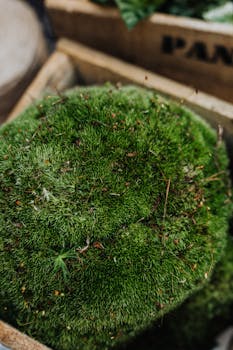
It’s easy to fall in love with the lush look of a thriving moss micro terrarium ecosystem. That vibrant green is a big part of the appeal—so it can be alarming to notice faded color or sluggish growth, both of which may be related to nutrient deficiencies. Understanding what to watch out for and recognizing changes early will help you keep your micro terrarium healthy and effortlessly green.
Micro terrariums rely heavily on balanced care, especially since their tiny environments react quickly to even subtle changes. Moss, in particular, shows physical signs when trouble starts brewing. When you learn how nutrient deficiencies manifest, you’ll feel empowered to act early and avoid long-term setbacks.
This guide breaks down what those symptoms look like, why nutrient balance is crucial for mosses, and the best way to support your ecosystem. Let’s dive in and get ahead of deficiencies, so your miniature landscape can always look its best.
Recognizing Early Warning Signs in Moss Micro Terrarium Ecosystems
Catch problems before they escalate by spotting subtle changes. Early detection of nutrient deficiencies lets you prevent lingering damage to your moss micro landscapes—and quickly restore healthy growth.
Healthy moss boasts bright, uniform color and feels slightly springy to the touch. Nutrient deficiencies can cause pale patches or yellowing. You’ll also notice slower growth or dry, brittle tips. If any of these changes surprise you one day, it’s time to investigate.
Color Changes That Signal Trouble
An experienced keeper recognizes when moss loses its vivid green—the earliest sign of nutrient deficiencies. A once-lush carpet may show yellow streaks, or even develop a gray tinge. These color shifts indicate your ecosystem’s needs are not being met.
If the whole colony looks paler than usual, consider whether your micro terrarium has exhausted its nutrient stores. Individual yellow spots typically mean only that specific patch is suffering. Either way, prompt attention is needed to help your miniature world recover.
Think of color changes as your terrarium’s way of waving a flag. Just like a household plant drooping without water, mosses display nutrient deficiency in visible ways—so check color every week, especially during seasonal transitions.
Changes in Growth Patterns and Texture
Sluggish or uneven growth isn’t just cosmetic. When new moss shoots look smaller or stop emerging, nutrient deficiencies are almost always the culprit. Compare growth photos every few weeks to spot these delayed changes easily.
If moss feels crispy or brittle, especially at the tips, its ability to transport water has been compromised. This usually happens after nutrients drop below minimum thresholds needed for cell health. Addressing nutrient needs will quickly restore resilience.
Other tactile changes, like increased shedding or a rough feeling, suggest deeper root issues. These physical clues are useful for anyone wanting to health-check their micro terrarium throughout the year—not just when things go wrong.
| Warning Sign | What It Means | Immediate Action | Long-term Solution |
|---|---|---|---|
| Pale Green Color | Possible nitrogen, magnesium, or iron deficiency | Check substrate and add diluted organic fertilizer | Increase organic matter or supplement micronutrients monthly |
| Yellowing Tips | Deficiency in potassium or general nutrients | Trim affected tips, review watering routine | Replenish nutrients with a moss-safe boost |
| Stunted Growth | Phosphorus or trace element shortage | Gently loosen substrate, test for compaction | Mix in a fresh layer of enriched soil |
| Grayish Discoloration | Lack of light or multiple nutrient issues | Increase light, rotate terrarium | Add slow-release fertilizer and optimize lighting |
| Brittle Texture | Low water retention caused by poor nutrition | Mist moss, check humidity | Improve organic matter, use sphagnum supplement |
Pinpointing Key Nutrients for Moss in Micro Terrarium Ecosystems
Mosses require a specific suite of nutrients to remain lush and vibrant. Knowing which ones matter most will allow you to tailor care and preempt deficiency-related decline.
In micro terrariums, nutrients like nitrogen, potassium, and magnesium are crucial for cell health and vivid color. Track signs that develop over a week, and know what your specific moss variety prefers for best results.
Nitrogen, Potassium, and Magnesium
Nitrogen is the backbone of leafy growth and strong color. A shortage turns moss pale or almost transparent. After noticing lighter green, apply a diluted, moss-safe fertilizer to quickly restore balance.
Potassium plays a vital role in general metabolism, bringing energy to cell development and repair. If you spot curling or browning tips, check for potassium deficiency and amend your substrate during your next watering cycle.
Magnesium keeps the green pigment chlorophyll vibrant. Mosses turning a dull or bluish tint may be signaling they’re missing this key nutrient. Using water with trace dissolved minerals can help restore the natural luster safely.
- Feed with balanced moss-specific fertilizer to deliver all necessary macro and micronutrients throughout the substrate.
- Document color, growth, and texture monthly to catch patterns suggesting any specific nutrient deficiency early.
- Mist with distilled water occasionally, as hard tap water can hinder nutrient uptake for some sensitive moss types.
- Rotate containers to provide uniform lighting, as even small light differences can impact mosses’ ability to absorb nutrients.
- Use gentle aeration once or twice per month—prodding the soil lightly encourages nutrient flow to roots and prevents compaction.
Building habits around these practices will result in consistently healthier and brighter moss, making nutrient deficiencies much simpler to spot and solve. Timely care helps you avoid major interventions later.
When Moss Needs a Nutrient Boost
After spotting faded color, immediate re-feeding can be game-changing for your terrarium’s ecosystem. Pick a dilute formula especially marked for moss, and avoid using ordinary houseplant blends—these can overwhelm the tiny environment with unnecessary salts.
- Apply nutrients in small quantities every 6–8 weeks; a little goes a long way in a closed system.
- Observe for rebound in color and resilience within 10–14 days after treatment. Quick improvement signals correct diagnosis.
- If symptoms persist, change the substrate mix—fresh moss soil brings slow-release energy and restores balance naturally.
- Do gently clean glass to ensure no fertilizer residue blocks light or encourages mold growth.
- Pause fertilization after strong growth resumes; avoid overfeeding, since excess nutrients can create different stress symptoms and algae outbreaks.
Adjust routines whenever you introduce new moss to an existing terrarium—a fresh addition may uptake more nutrients and shift established balances. Watch closely for signs unique to each variety and monitor results each month for best outcomes.
Troubleshooting Nutrient Deficiencies with Real-World Examples
Addressing nutrient deficiencies early prevents a domino effect within micro terrarium ecosystems. Observing what others encounter can make you a more attentive moss caretaker—with confidence to act immediately.
Imagine you spot fading growth near a stone feature. Last week, growth looked fine. Now one patch shows clear yellow streaks. “I wonder if old substrate is causing this?” you might remark. Swapping just that patch’s soil and misting with mineral water often reverses color losses in a day or two.
Correcting Underfeeding Scenarios
One hobbyist notices new mosses introduced two months ago look droopy while mature patches look robust. The script: “I’ll compare new and old sections, and re-fertilize only the yellowed area.” This localized approach prevents nutrient overload in sections that remain healthy.
In another case, brittle moss tips spark suspicion about potassium or magnesium shortage. Gently test the soil, looking and feeling for compaction or dryness. Tucking a pinch of slow-release fertilizer under dry patches brings visible softness within a week.
Don’t hesitate to use digital reminders or habit trackers for monthly health checks. By acting at the first sign, you’ll build a buffer against more challenging nutrient deficiencies later in the year.
Ongoing Adjustments for Long-term Balance
Scheduling seasonal substrate refreshes is key for many micro terrarium keepers. Marking a calendar with “refresh soil & inspect color” each spring ensures you’ll never overlook slow-building symptoms of nutrient deficiencies.
If moss shows thin, sparse sections by midsummer, revisit your lighting plan and rotate the container for even exposure. Balance between nutrition, moisture, and sun keeps the entire ecosystem in sync.
Peer conversations at local hobby groups or online forums often reveal unique solutions to persistent nutrient deficiencies. “My tap water was low in minerals—after switching to spring water, color perked up fast.” Borrow ideas, hone your skills, and maintain notes for next season’s care routines.
Building Sustainable Routines for Lasting Moss Health
Long-term moss care is easiest when routines are simple and reliable. Focus on building habits to monitor and support nutrients, rather than chasing crisis solutions.
Develop a rhythm for checking texture, color, and any slow trickle of growth. Take quick phone photos every few weeks, and make note of even minor changes. Tracking makes nutrient deficiencies almost impossible to miss.
Proactive Monitoring for Micro Terrariums
Pair weekly misting rituals with a check for color uniformity and tip resilience. “If green dulls or tips snap off, reassess substrate and water immediately.” This routine intervention preserves both the appearance and health of your moss ecosystem.
Set quarterly reminders to aerate the substrate. Use a chopstick to gently poke air holes—this simple act supports root health and nutrient absorption, helping your container avoid stagnation.
If collecting rainwater or bottled spring water, rotate sources to provide a varied mineral profile. Mosses excel when offered subtle changes that mimic natural forest dynamics, and this tactile involvement boosts awareness of small nutrient deficiencies as they arise.
- Document every intervention, no matter how small, so you can track which changes yield the best results for different moss types.
- Adjust misting based on interior glass condensation—not calendar dates—to fine-tune humidity and ensure nutrients flow.
- Incorporate tiny live microfauna if compatible; their natural waste breakdown adds organic nutrients gradually, which prevents abrupt deficiencies.
- Mark and photograph yellow or gray areas before and after nutrient treatments to verify improvement.
- Review and rotate moss species bi-annually to expose the ecosystem to different nutrient needs and avoid depletion of one element.
Refine your approach with every observation, and trust these regular checks to keep micro terrariums resilient season after season. Sticking to practical, hands-on habits is more effective than chasing trendy methods or unnecessary supplements.
Staying Ahead: Preventative Care and Nutrient Cycling
Preventing nutrient deficiencies is always easier than reversing them. Creating a smart nutrient management plan keeps your mosses consistently vibrant, giving peace of mind and lasting beauty to any micro ecosystem.
Schedule incremental substrate enrichments throughout the year to avoid dramatic nutrient swings. Pair this with mindful feeding—small, moss-safe doses delivered on a calendar keeps everything in balance without risking salt buildup or algae blooms.
Building a Seasonal Nutrient Plan
Every spring and fall, refresh one-third of your terrarium substrate. Use this mini-rotation to blend in composted bark or leaf mold, replenishing trace minerals naturally without overfeeding the system.
Check the packaging of any fertilizer for moss compatibility—products intended for general houseplants or succulents rarely work for micro terrariums. Opt for natural formulas or slow-release blends marked safe for bryophytes.
Log every event in a dedicated notebook or digital app. Tally both color improvements and setbacks; sharing your results with a local plant group encourages even stronger habits and troubleshooting skills among fellow enthusiasts.
Lasting Insights for Thriving Micro Terrariums
No matter your experience level, recognizing and addressing nutrient deficiencies ensures your moss micro terrariums provide daily delight. Early signs, regular monitoring, and proactive substrate care form a cycle that keeps your creations perpetually healthy and lush.
Learning to interpret every color shift or change in texture gives you a practical knowledge bank that extends well beyond troubleshooting—this confidence keeps projects fun and stress-free, whether you’ve got one container or a dozen thriving ecosystems.
Stay curious, compare notes with fellow keepers, and evolve your approach each season. Consistent growth and vibrant green scenes will reward every attentive terrarium caretaker for years to come.
Frequently Asked Questions
What are the first visible signs of nutrient deficiencies in moss terrariums?
The first things to look for are pale green patches, yellowed tips, slowed growth, or brittle, dry textures. Noticing any rapid shift in color or resilience usually signals the need to review substrate nutrition and overall care habits.
Can I use regular houseplant fertilizer in my micro terrarium?
Most standard houseplant fertilizers contain chemicals and salts that can overload the compact space of a micro terrarium. Use only formulas labeled as moss-safe, and always dilute to half strength for these tiny habitats.
How often should I supplement nutrients to avoid deficiencies?
Plan on supplementing with a moss-friendly fertilizer every 6 to 8 weeks. Small, regular feedings paired with routine substrate refreshes are safer than infrequent, heavy dosing, which risks chemical imbalances and algae growth.
Is rainwater better for mosses than tap water?
Rainwater often carries a broader mineral spectrum and lacks chlorine, which benefits sensitive mosses and supports nutrient cycling. However, always filter or test first to avoid unexpected contaminants—especially for terrariums with delicate microfauna.
My moss isn’t recovering even after fertilizing. What else should I try?
If symptoms persist after feeding, look into potential substrate compaction, root disturbance, or water quality issues. Change part of the soil, gently aerate the mix, and ensure humidity remains stable—these adjustments usually spark a quick recovery from lingering deficiencies.