
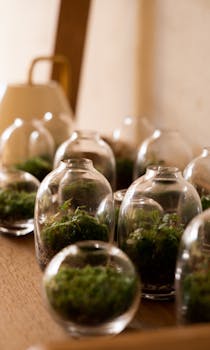
Miniature terrarium ecosystems can feel magical, like a world in a glass. The subtle shine of crystals in terrariums lifts these tiny landscapes, infusing them with a delicate, natural sparkle.
People searching for beauty and meaning in small spaces discover that crystals in terrariums add depth, light, and energy to every arrangement. Their colors and textures enhance mood and inspire creativity, no matter the vessel.
If you want your micro terrarium to catch eyes and spark conversation, you’ll benefit from exploring crystals in terrariums. Let’s dive into top design ideas, best crystal choices, and practical care tips for a truly glowing display.
Choosing Gemstones That Enhance Micro Terrarium Ecosystems
Start your design process by matching gemstone properties to your desired terrarium effect. For example, amethyst calms, while citrine brightens, making crystals in terrariums a thoughtful design choice as well as a visual one.
Mixing crystal colors introduces brightness and natural variation to your micro environment. For a lush forest look, choose green aventurine or moss agate. For desert themes, opt for rose quartz or carnelian with their earthy warmth.
Pairing Crystal Form with Terrarium Size
Consider scale when picking your crystals in terrariums. Mini spheres or small clusters work best in palm-sized jars, while a single geode can anchor a slightly larger scene.
Crystal chips fill empty soil gaps for a seamless, textured base layer. Try pressing points or wands upright to mimic tiny standing stones or fairy towers in small ecosystems.
For terrarium jewelry or thimble gardens, even a bead-sized gem can work magic. Just ensure no stone crowds delicate moss or blocks airflow.
Balancing Sparkle with Plant Growth
Arrange crystals so they reflect natural light without shading your plants. Rotate glass jars to spot problem shadows each week, adjusting placement to balance healthy growth and gem display.
Transparent quartz amplifies sunlight, so position it to boost coverage for mosses or light-hungry clippings. Opaque stones work well on shaded soil corners where stray roots meet the glass.
If terrarium humidity is high, rinse stones regularly to prevent minerals from clouding the glass or stunting open shoots.
| Gemstone | Color | Design Effect | Tiny Terrarium Tip |
|---|---|---|---|
| Amethyst | Purple | Soothes and cools visual layout | Add to mossy or woodland themes |
| Citrine | Yellow | Brightens, energizes miniature scenes | Pair with succulents for warmth |
| Rose Quartz | Pink | Softens, adds gentle romantic glow | Anchor alongside trailing vines |
| Clear Quartz | Transparent | Boosts light reflection | Place to amplify sun for growth |
| Green Aventurine | Green | Creates harmony, natural layering | Scatter in woodland or moss jars |
Arranging Crystals for Sparkle, Impact, and Harmony
You can craft bold focal points or add subtle background gleams by arranging crystals in terrariums thoughtfully. Anchor your layout with a larger stone and dot micro-crystals as visual highlights.
Direct sparkle appears stronger when gems catch sunlight. To maximize this effect, tilt or prop each crystal so its face angles toward your light source during peak hours.
Anchoring with Feature Stones
Select one stone to act as the centerpiece. Place it at a visual “low point”—where the eye naturally settles—then plant low-growing moss or sand around its base for contrast.
Feature stones look grounded when two or three smaller gems flank them. Repeat color, or echo the shape of your main gem elsewhere for flow and cohesion in your crystals in terrariums layout.
This arrangement method mirrors garden rock design, creating drama and restful lines in miniature form.
- Position main crystal slightly off-center—draws attention naturally, keeps the scene dynamic, and avoids a too-symmetrical look.
- Add shells or pebbles next to gems—blends mineral textures for variety and realism, evoking streambeds or magical clearings.
- Vary debris size—mix chips, slivers, and cubes for rich texture under glass, supporting both drainage and visual intrigue in crystals in terrariums.
- Combine light and dark stones—contrasts amplify each mineral’s features, enhancing sparkle as glass and crystal reflect off one another.
- Test placement under different lighting—check your terrarium’s look at sunrise, midday, and dusk for all-day beauty and balance.
These strategies let you build real depth, making each viewpoint interesting and alive.
Using Trail and Cluster Patterns
Ripple or meandering trails of crystals in terrariums mimic woodland creeks or fairy country paths. Lay a thread of tiny chips or points across the soil in gentle curves.
For dense pockets of brilliance, cluster several stones like a natural geode. Nest these in the terrarium’s “valley”—where moisture gathers—for added microclimate effect.
This approach works especially well in egg-shaped or rounded vessels, where line patterns echo the glass’s natural arc.
- Trace paths with quartz, citrine, or moonstone—stone color guides the eye, while simultaneously reflecting key terrarium colors.
- Group stones at focal points—draws visitors’ attention and provides nesting spots for micro-figures or dried botanicals.
- Mix upright and flat stones—vertical points “rise” from moss, while flat gems create stepping-stone illusions for tiny imaginary beings.
- Blend crystals with natural objects—seedpods, acorn caps, and smooth sticks increase realism and support gentle drying between gems.
- Reserve front glass space—leave a strip clear for optimal viewing, so your design isn’t hidden by condensation or bold stones.
These layout methods can even be swapped out seasonally for fresh energy in your mini ecosystem.
Integrating Crystals with Miniature Flora and Decorative Elements
In micro terrarium ecosystems, crystal placement supports both plant growth and design cohesion. Layer moss, small-leaved plants, and mineral accents so every detail is visible and serves a purpose.
Select plants with strong colors or textures to make crystals in terrariums glow. Use fine-foliage moss for soft contrast, or let larger-leafed varieties peek between bigger gems for a dynamic interplay of light and shape.
Creating Themed Micro Worlds
Craft a “moonlit glade” effect by combining cool crystals—like clear quartz or selenite—with blue stones, then anchor blue-gray ferns nearby for night-inspired calm.
A desert theme benefits from carnelian, agate, and sunstone, plus tufts of dry, compact succulents. Their orange and gold shades reflect sunlight and mimic parched, sparkled sand.
For a magical forest illusion, nestle deep green fluorite or tumbled jade among tiny mushroom decorations and rootlike sticks, crafting a fairy-tale feel inside your glass vessel.
Pairing Decorative Touches with Crystals
Add miniature statues or animal figurines near gemstone clusters to tell a visual story—think gnomes by a pyrite rock, or a dragon perched atop amethyst points for fantasy ambiance.
Natural wood, tiny pinecones, or dried flower petals give warmth and move the eye around sharp, cool mineral forms. Just be sure decorations are sealed or cleaned to prevent mold in humid jars.
Sprinkle colored sand or micro gravels as a border, or use moss in subtle stripes, to help frame your crystals in terrariums without taking focus away from your gems.
Cleaning and Maintaining Gemstones in Humid Micro Environments
Routine gemstone cleaning protects your terrarium’s clarity and keeps each crystal sparkling for months. Wipe glass and stones gently with a microfiber cloth every two weeks, rotating jars to check every hidden angle.
If minerals dull from residue buildup, soak them briefly in lukewarm water, then pat dry before returning. Avoid harsh soaps, especially on porous stones like selenite, to protect both your plants and the glass base.
Preventing Crystal Damage in Closed Systems
Closed micro terrariums build high humidity, which can tarnish or cloud softer stones. Use smooth, polished gems for moisture-prone jars; avoid raw clusters in particularly tight or mist-heavy environments.
Monitor for mineral leaching—white flakes or stains can indicate the wrong stone has been used. In that case, swap for ones known to handle dampness, like tumbled quartz or polished rose quartz.
If you see algae or moss growing over crystals in terrariums, use a soft, dry brush to gently clear the buildup, never scraping or using force.
| Cleaning Step | Frequency | Crystal Suitability | Next Action |
|---|---|---|---|
| Damp Cloth Wipe | Every 2 weeks | All types | Inspect for dust |
| Lukewarm Water Soak | Monthly | Non-porous only | Air dry fully |
| Soft Brush Removal | As needed | All types | Remove algae/moss |
| Glass Cleaning | Monthly | n/a | Use plant-safe spray only |
| Stone Rotation | At each cleaning | All types | Check light reflection |
Refreshing Design While Maintaining Health
Every quarter, swap crystal placements or try new combinations inspired by the seasons. This helps prevent condensation wear and reinvigorates your terrarium’s visual appeal without stress to plants.
When reorganizing, gently lift gems using tongs or gloved hands to avoid spreading soil bacteria. Check that each stone is dry and stable before closing your vessel again.
Rotation lets you discover new favorites and keeps your miniature ecosystem dynamic and evolving, just like in a natural setting.
Personalizing Your Micro Terrarium’s Look with Signature Gem Styles
Tuning your crystals in terrariums for personal style is all about intention. Choose stones that resonate with you for decoration, color symbolism, or energetic qualities—this adds meaningful touches to your display.
Mood boards help test combinations. Arrange loose crystals on a white background with your intended plants, then photograph different setups before settling on your final design.
Mixing Rare and Conventional Gems
For unique designs, blend classic stones like quartz or amethyst with less common finds—think labradorite or rhodochrosite. Even a single unusual gem can create a signature look in your terrarium.
Collectors sometimes search out matched pairs for symmetry or place one-of-a-kind geodes at the center for surprise details.
Try combining transparent and opaque stones in layers, using translucent varieties to create a glowing “understory” beneath leafy plants or moss.
Introducing Birthstones and Personal Symbols
Incorporating birthstones into crystals in terrariums makes your piece a meaningful gift or personal keepsake. For example, add turquoise for December or sapphire for September beside mini statues or sentimental trinkets.
This approach can spark interest when gifting terrariums for birthdays, weddings, or anniversaries, turning each mini ecosystem into a one-of-a-kind statement piece for the home.
If you prefer symbolism, select stones with reputed energies or links to personal values, making your terrarium both decorative and motivating every time you see it.
Conclusion: Unlocking Sparkle and Connection in Micro Terrarium Ecosystems
Placing crystals in terrariums transforms everyday plant displays into vibrant, interactive micro landscapes. Each gemstone adds color, sparkle, and energy flow tailored to your individual style or the terrarium’s theme.
Understanding design basics, cleaning routines, and creative layering with stones means your micro ecosystem remains healthy and eye-catching. The right gems support plant growth, boost light, and become the heart of your miniature world.
Ultimately, crystals in terrariums inspire both the maker and every viewer. Every unique arrangement becomes a focal point for reflection, learning, and joy—one small, sparkling ecosystem at a time.
Frequently Asked Questions
Which types of crystals are safe for plants in closed micro terrariums?
Polished clear quartz, rose quartz, amethyst, and tumbled agates are safest for plant health in moist environments. Avoid heavy-metal minerals, raw pyrite, or stones with unknown coatings, since these may leech toxins or cloud up quickly.
How can I keep my crystals sparkling when condensation fogs the glass?
Open the terrarium every two weeks to wipe away fog with a microfiber cloth. Use well-drained soil and avoid overwatering. Gentle air circulation temporarily, like lifting the lid for an hour, helps reduce glass fog and shows off each stone’s shine.
Do crystals in terrariums affect plant growth or humidity?
Certain crystals can boost reflected light, helping moss or miniature ferns. Crystals won’t alter humidity or soil moisture much, but positioning is key—never let large stones block airflow or crowd delicate shoots.
What’s the easiest way to change a terrarium’s look with new crystals?
Gently swap crystals using tongs, never your bare hands, especially if jars are small. Rotate feature stones while keeping plant roots undisturbed. Rearranging crystal clusters seasonally keeps your design looking intentional and fresh.
How should I clean delicate stones that start showing mineral deposits?
Soak only non-porous, polished stones in lukewarm water for five minutes. Gently brush any stubborn spots with a soft paintbrush. Avoid detergents—for porous minerals, stick to dry brushing or wiping, so you won’t damage their surface or harm terrarium plants.