
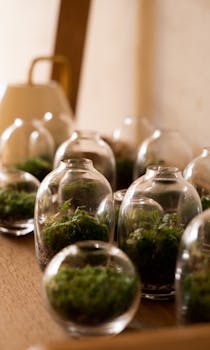
A miniature rainforest or desert in a jar transforms after sunset, drawing the eye to delicate shadows and sparkles. With the right terrarium lighting design, every leaf, moss patch, or tiny path in micro ecosystems stands out after dark.
Micro terrariums gain a new mood when illuminated intentionally, encouraging contemplation and a sense of wonder. Lighting affects not only the look but the health and growth cycles of living elements in these closed glass environments.
This guide explores smart, beautiful lighting strategies for micro terrarium ecosystems. Discover how to accentuate living details and nurture tiny landscapes while keeping your setup energy-efficient and practical for nightly enjoyment.
Choosing Light Sources for Dramatic Nighttime Effects
To influence your terrarium’s night appearance, start by selecting light sources that match both plant needs and your aesthetic goals. Terrarium lighting design centers on color temperature, brightness, and spread, ensuring a vivid but balanced nighttime look.
Using a warm white LED may evoke soft streetlamp vibes, while cool white mimics moonlight on leaves. Place lights so they graze surfaces or highlight miniature features, never eclipsing the beauty of the plants themselves.
Evaluating Lamp Types for Micro Terrariums
LED puck lights work well for small spaces, providing targeted beams with low heat production. Flexible LED strips contour around curves, letting you highlight paths or back walls discreetly. Tiny clip-on spotlights direct attention to standouts.
In glass jars or bowls, battery-operated fairy lights offer sparkle. Their gentle glow reveals moss contours and creates gentle gradients across sand or colored trays, vital for complex terrarium lighting design that’s both easy and safe to install.
Solar-powered lights are suitable for sunlit placements that transition to gentle after-dark illumination. Rechargeable models make maintenance simple, so you won’t disrupt established soil or decorative layers every time batteries run low.
Understanding Color Temperatures and Plant Response
Color temperature, measured in Kelvin, influences mood and photosynthetic response. Warm white (2700–3500K) flatters earth tones and wood miniatures. Neutral to cool white (4000–6500K) enhances lush greens, making the most of leafy mosses and foreground plants.
Plants in micro terrarium ecosystems generally prefer light between 5000K and 6500K during the day. For highlighting at night, use low-intensity, indirect sources that don’t extend the lighting period, which can disrupt day-night cycles or promote algae growth.
Gently transitioning from natural to artificial light keeps foliage stress-free. For best terrarium lighting design, switch to accent light only once the space has naturally dimmed, preserving your plants’ rhythm.
| Light Source | Brightness Control | Color Temp Range | Takeaway for Micro Terrariums |
|---|---|---|---|
| LED Puck | High | 2700–6500K | Easily spotlight one section or dim for whole-scene ambiance |
| LED Strip | Moderate-High | 3000–6000K | Flexible setup along jar lips or behind natural features |
| Fairy/Seed Lights | Lower | 2200–4000K | For gentle accent glow; wind through rocks, wood, or sand trails |
| Clip-On Spotlight | High | 4000–6500K | Focus on key statues or statement moss patches |
| Solar Micro Light | Most preset | Varies | For outdoor/bright window nighttime displays; easy, hands-off |
Arranging Lights for Layered Depth and Texture
Strategically position light sources so every plant layer and ornament reveals its unique texture at night. Terrarium lighting design is like theater staging—side or below lighting creates compelling contrasts and reveals new visual stories.
Mount tiny LEDs at varying heights. Use reflective stones, glass pebbles, or mirrors to amplify highlights and draw the viewer’s eye along mini trails or garden pathways. Soft layers evoke curiosity within your micro ecosystem.
Placing Lights for Visual Pathways
Run a slim-bright LED strip down the side of a glass vessel, letting indirect light fall along moss or colored sand, creating the illusion of winding paths. Place a few low-profile fairy lights beneath rocks or bark for subtle, magical effects.
By positioning a warm puck light behind a driftwood bridge, you add realism and depth—just as porch uplighting animates real gardens. This approach works beautifully in fairy garden micro terrariums, too, highlighting narrative features after dusk.
Hide the light source behind miniature foliage whenever possible. The effect: glows and shadows dance with every leaf. Keep the setup flexible so you can experiment per season or plant growth.
- Install LED strips under rim for soft, even illumination; adjust location to avoid glare directly on glass and emphasize plant shapes obscured in daylight.
- Hide battery LEDs behind pebbles or bark for gentle, secret light tunnels; the result is added intrigue for guests peering in after dark.
- Angle spotlights to cast defined leaf shadows; this doubles the perceived depth, especially effective in jar terrariums with large-leafed tropicals or ferns.
- Choose colored light—green for whimsy, blue for a moonlit feel—to create a set mood without overwhelming delicate species or hiding natural detail.
- Use mirrors on the back wall; amplify all sources, but briefly test at different angles to avoid harsh glares or unintended reflections that distract from your design.
Experiment with different placements, taking smartphone photos at each trial. Evaluate what feels most natural and which angles reveal previously hidden beauty, refining your micro terrarium lighting design.
Adjusting Intensity Over Time
A dimmable LED system allows control for both health and display value. For instance, reduce intensity by 30% after the first hour of darkness. Too much light can stimulate unwanted growth or heat.
- Drop brightness with a timer after dusk; helps moss maintain vivid color, reduces algae buildup, and mimics daily forest light rhythms.
- Test plant response over several nights, noting closed versus open leaf postures; adjust accordingly based on observed changes—if some leaves curl up, dial back illumination.
- Alternate between directional lighting and overall ambient for multi-night variety, ensuring minor details catch attention from every angle at least once per week.
- Incorporate motion-activated sensors for display terrariums; delights guests while minimizing nighttime light exposure for your plants when no one’s present.
- Label light settings and plant types in a journal; document what works, so you can repeat or fine-tune displays with future rebuilds or as your ecosystem evolves.
Responsive adjustments turn ordinary mini displays into animated, dynamic landscapes. Note changes and make it a creative, ongoing process.
Creating Ambient Mood with Layered Color Temperatures
Employing mixed color temperatures makes your micro terrarium glow with life and evokes a mood—from cozy campfire amber to tranquil forest dusk. Proper terrarium lighting design highlights both foliage tone and scenic detail.
Switch between cool and warm lights throughout the week, or combine them for a two-tone, magical look. This encourages natural shadows and color gradients inside glass vessels, instructing the viewer’s eye where to wander.
Combining Day and Night Light Sequences
Create a routine: Bright, natural white for two hours at sunset, then transition to warm amber or dim blue. This sequence never disrupts circadian cycles yet keeps scenes engaging at all hours.
Store preset modes on smart plugs. For example: “Showcase” mode for visiting friends displays full detail, while “Relax” mode uses low, diffuse lighting for nighttime reading or background ambiance on a windowsill.
Script for changing the mood: “Switch from daytime white to soft amber by 8 p.m., then fully power down all lights by midnight,” ensuring both aesthetic impact and plant health.
Creating Visual Focal Points with Contrasting Hues
Place miniature gold statues, gem pebbles, or crystallized sand beneath cool spots; their shine stands apart from warm foliage glow. This adds artistry to micro terrarium scenes, making viewers linger on purposeful details.
Contrast a deep blue background light with bright green moss in the foreground. Analogous to painting with colored pencils, these hues push and pull attention naturally, keeping mini ecosystems lively and expressive after hours.
Copy this effect on shelf displays: “Angle cool lights toward sand garden and warm onto foliage—makes both shine without clashing, perfect for contrasting micro terrarium scenery.”
Setting Up Safe, Stress-Free Lighting for Living Ecosystems
Prioritize the health of your mosses, tiny ferns, and micro-fauna by avoiding heat buildup or overexposure. Effective terrarium lighting design always attends to safe voltage, reliable timers, and diffuse setups that won’t dry out delicate plants overnight.
Ensure cords and components don’t cross wet soil. Opt for battery-powered or low-voltage LEDs, and always cap connections outside the vessel. Keep lighting hours predictable, and avoid erratic late-night activation by using automation or manual routines.
Protecting Plant and Animal Health with Lighting Design
Plan all installations so the hottest LED components don’t touch or sit within one inch of foliage or glass. Overheated glass can condensate or even split—always use gentle ambient light for closed terrariums or domes.
For ecosystems with isopods or springtails, arrange partial shade sections. By keeping some micro-habitats dark, you mimic forest floors, let creatures shelter, and reduce overall terrarium maintenance demands.
Balance visual appeal with environmental stability. In groups, discuss what worked (“That blue spot made moss fade fast, so I replaced it with warmer, dimmer amber”). Swap ideas for ongoing improvement, never sacrificing living health for style.
Enhancing Drama with Creative Light Techniques
Shadow casting, colored projection, and movement all personalize your micro terrarium lighting design. Try unique tricks only possible in glass ecosystems—layering silhouettes, using mirrors, or introducing kinetic elements for a microcosmic spectacle.
Copy gardens outside: “Uplight rocks, then fade to darkness behind hidden logs.” This forces the eye to wander and gives your terrarium a cinematic feeling come nightfall, regardless of room size.
Integrating Movement or Interactive Light
Install a tiny, motorized prism behind your terrarium to refract beams around the dome—color dances across pebbles and statues as guests approach or pass. Another tactic: Use slow pulsing lights to simulate gentle fireflies or moon haze.
Pair interactive setups with a smart speaker or motion sensor. “Let the display light up when someone walks close,” turning ordinary micro terrarium displays into conversation starters or quirky party features for adults and children alike.
Document reactions in a notebook or take a photo at first light-up. Get feedback on which effects surprise or impress, and adjust next session’s plan for even more personality.
Incorporating Spotlight Shadows for Texture
Angle one or two micro spotlights to cast tree silhouettes on the inner glass. This mimics full-scale garden effects, using real moss tufts or rock outcrops for dramatic shadow lines, especially in desertscape or rainforest jar scenes.
Layer different colors for a more nuanced texture palette—cool shadows, warm highlights, and surprise streaks of color trailing across surfaces where sand, foliage, or statuary intersect.
Finish every adjustment by reviewing both still and moving shadows. Each time you rearrange, you’ll discover new qualities and improve your micro terrarium lighting design step by step.
Upgrading Your Lighting Setup With Simple Accessories
Revitalize your terrarium lighting design by swapping out plain holders, diffusers, or mounts for more adjustable and creative options. Even minor changes can help freshen nighttime displays and solve persistent issues like glare or dim corners.
Cable management tools, custom-cut foam diffusers, and magnetic mounts make quick upgrades easy, even with a fully planted, mature micro terrarium. Don’t hesitate to experiment with materials already at hand for one-of-a-kind effects.
Accessory Checklist for Streamlined Lighting
Consider replacing fixed mounts with magnetic bases for quick realignments, allowing you to spotlight new plants as your collection evolves. Clip-on colored gel sheets adjust hues affordably and can be layered for subtle mood shifts without replacing light fixtures.
Install light diffusers cut from frosted plastic or tracing paper to soften harsh beams, giving jars and domes an even, polished glow. Use reusable cable clips for routing behind shelves—this keeps power cords neat and prevents accidental yanking or plant damage.
Attach a compact remote timer for scheduled lights, freeing your routine while keeping micro ecosystems in their healthiest photoperiod. If displaying multiple jars, sync timers for simultaneous lighting changes, creating coordinated after-dark highlights.
Conclusion: Bringing Miniature Landscapes to Life at Night
Exceptional terrarium lighting design transforms night viewing, lifting every miniature landscape into something enchanting. By blending creativity with attention to safety and living needs, you shape glowing scenes that reward nightly exploration and pride in your micro ecosystem.
Every shift in light angle, color, or placement reveals new stories—whether moss, sand, or decorative features. Emphasizing both form and health ensures sustainable, beautiful displays that keep plants productive and viewers delighted.
Let lighting become part of your ecosystem’s ongoing evolution, not just a finishing touch. Each experiment and adjustment adds to your own expertise. Enjoy the glow, share your journey, and inspire others to bring terrarium magic to their evenings.
Frequently Asked Questions
Use only low-heat LED light sources, and avoid placing any lighting component in direct contact with glass or organic material. Use diffusers and position batteries outside your vessel. Monitor internal temperatures after installation, and adjust or limit runtimes to avoid steam or condensation build-up inside the glass.
What’s the best color temperature for healthy moss and ferns in a small terrarium?
Keep lamps in the range of 5000–6500K during the plant’s daytime cycle, then switch to 2700–4000K at night for ambiance. If in doubt, follow the natural sunrise/sunset cue—warm light for calm, daylight white for growth.
Can I use smart bulbs or remote controls in closed glass terrariums?
You can, provided the bulb is low wattage and heat output remains minimal. Use waterproof or exterior-mounted hubs and make sure controls work through glass. Smart setups make it easy to adjust mood and photoperiods without disturbing your ecosystem.
What are easy ways to add visual layers with budget-friendly lights?
LED strips, battery fairy lights, and frosted or mirrored plastic reflectors all add depth affordably. Experiment with diffusers made from tracing paper or repurposed packaging for soft, diffused effects. Adjust distance and placement until you achieve multi-layer highlights.
How can I highlight decorative features without stressing live plants?
Angle spotlights away from roots and limit exposure to brief show periods at night. Hide lights behind opaque objects or in-line with hardscape, never pointing directly at sensitive moss or foliage. Set timers to control both duration and intensity for safety and best results.