
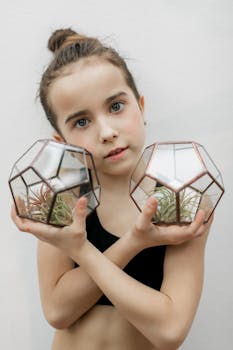
People who love greenery but have limited room at home keep looking for simple ways to add nature indoors. Micro terrarium ecosystems, using modern terrarium styles, are becoming a popular solution. These tiny glass gardens bring both beauty and easy living to small spaces without fuss.
Choosing the right modern terrarium styles blends function and form, allowing anyone to display plants without clutter. Minimalist designs focus on clean lines, compact containers, and visual harmony, proving that style doesn’t require excess. The result feels calming and intentional.
This article explores micro terrarium ecosystems tailored to small areas. Each section breaks down core techniques, actionable steps, and design tips, so you can confidently create your version of modern terrarium styles and elevate your living space. Dive in for inspiration and real-world advice.
Streamlined Containers to Give Plants Space and Focus
Choosing the right container shapes the mood of your entire micro terrarium ecosystem. Simple, geometric vessels let the plant itself be the main attraction, setting the standard for modern terrarium styles.
With streamlined containers, stray leaves and roots won’t compete for attention. Glass jars, cubes, and cylinders support clarity and visual depth while limiting overgrowth. Stick to one or two types for a unified, modern terrarium style display.
Pick Glass Shapes That Fit Into Tight Spots
When countertop or window space is scarce, select tall, narrow vessels or thin, flat-bottomed jars. Modern terrarium styles fit these forms like a hand in a glove, maximizing light and air circulation in the tiniest footprint.
Observe how a slim, vertical jar can rest on a windowsill without blocking the view. The clean profile echoes minimalism and supports foliage growth, keeping everything contained and neat.
Choosing rounded edges over sharp ones helps soften the visual impact of a terrarium, matching the organic feel plants bring. This analog approach mirrors how pebbles soften a river, encouraging calmer contemplation.
Contrast Matte and Gloss Surfaces for Character
Modern terrarium styles thrive on texture contrasts. Combining smooth, clear glass with matte ceramics enhances both materials. You might pair a clear vessel with a soft, textured tray underneath for subtle depth.
Imagine the gentle difference under your fingertip between a slick curved glass and a softly sanded ceramic base. This subtle interplay grounds your mini ecosystem and keeps it feeling grown-up, not cluttered.
The goal is to avoid trying to match everything perfectly. Allowing little differences between surfaces makes each piece feel intentionally chosen. “This vase looks clean but feels sturdy,” someone might note when handling your arrangement.
| Container Type | Best For | Visual Effect | Quick Takeaway |
|---|---|---|---|
| Cylindrical Glass Jar | Succulents, moss, small ferns | Slim vertical profile | Perfect for narrow shelves or sills |
| Rectangular Glass Box | Layered soil and sand designs | Clean, geometric backdrop | Showcases modern terrarium styles |
| Open Globe Vessel | Trailing vines, air plants | Softens corners, adds volume | Contrasts well with straight cabinetry |
| Mini Bottle | Single tiny accent plants | Delicate, subtle | Makes visual pauses on busy desks |
| Matte Ceramic Tray | Base for glass containers | Textural interest, grounding | Prevents rolling and collects runoff |
Minimal Plant Choices: Keep It Lush Without Overcrowding
Using fewer plant species lets every leaf and stem get noticed. With modern terrarium styles, reduction is not sacrifice but elevation—highlighting only the best attributes in micro terrarium ecosystems.
Selecting just two or three compatible plants for each terrarium limits chaos and matches minimalist aesthetics. Even the smallest vessel gains a serene, intentional vibe.
Prioritize Uniform Leaf Shapes and Shades
Sticking to plants with similar colors, such as veiled greens or muted silvers, aligns your arrangement with minimal principles. For example, pair a few button ferns with delicate baby tears for soft texture without visual noise.
- Choose monotone greens that don’t fight for dominance; uniform color reads calm and controlled when viewed from across a room.
- Use plants of similar size to stop any one type from outgrowing or shading the rest. This ensures light and space are shared evenly inside the vessel.
- Avoid mixing succulents with plants that need high humidity. Contrasting needs lead to wilting or rot, breaking the minimalist flow.
- If using flowering plants, select one and repeat it no more than twice per ecosystem. Clustering multiples of a single variety preserves the look of purposeful symmetry.
- Limit trailing plants to one per terrarium so vines don’t overrun the design. A draped tendril can add drama but needs regular trim sessions to maintain lines.
Keeping the palette narrow means each chosen plant gets its due. This approach—a key in modern terrarium styles—lets your guests appreciate detail instead of excess.
Rotate Your Best Small Varieties for Healthy Micro Environments
Rotating terrarium inhabitants, just as a chef might rotate seasonal ingredients, helps you adapt to changing light or temperature. Cycle between slow-growing moss, small ferns, or tiny pilea as the seasons change.
- Swap moss for hardy baby tears during summer; they thrive with higher light and less humidity. The effect keeps the look fresh while maintaining minimalism.
- Replace plants that outgrow their home so visual balance isn’t lost. Snip, repot, and share extras with neighbors—an act that keeps things clutter-free and social.
- Alternate leaf shapes every few months for subtle character change. Go from round-leaf ferns to angular air plants to avoid stagnation in your décor.
- Water less frequently if rotating succulents in, but increase misting for mosses or ferns. Track notes in a small notebook as a fun side ritual.
- Consider brief fasting periods for your terrariums—removing all but one plant, cleaning the glass, and letting it breathe for a week before replanting. This helps prevent unwanted buildup and pests.
Intentional rotation connects you to your micro terrarium ecosystem, reinforcing that minimalist living isn’t static—it’s mindful and ever-refining.
Layering Substrates for Balanced Drainage and Style
Effective substrate layers—gravel, charcoal, soil—act as the foundation for any modern terrarium style. Each element does a specific job, mirroring the principles of an organized, minimal living space.
Don’t rush this step, because the right substrate sequence prevents soggy soil, supports plant health, and keeps the display clean—all while offering a sharp visual band of color and texture.
Create the Ideal Water Flow Using Three Key Layers
Begin your micro terrarium ecosystem with a thin base of washed gravel, about half an inch deep. Gravel ensures excess water drains quickly and roots won’t drown or rot after watering.
Add one-quarter inch of activated charcoal on top of the gravel. This step minimizes odors and prevents mold, which is especially important in closed or tight glass containers for modern terrarium styles.
Layer fresh potting soil over the charcoal. Smooth the surface with a spoon or finger, shaping subtle dips or mounds for contour. Even a small rise helps “lead the eye” from one featured plant to another.
Contrast Substrate Stripes for Modern Impact
Modern terrarium styles encourage showcasing visible bands of material. Use pale pebbles, black charcoal, and deep brown soil for striking separation—each stripe signals purpose, not just decoration.
Think of visible layers like the neat arrangement of books on a shelf: horizontal bands suggest order and attention to detail. They create visual rest between living elements, boosting harmony in small spaces.
You can follow the script: “Pour the gravel, then the charcoal, then the soil—level each layer.” This checklist approach makes it easy for anyone to create micro terrarium ecosystems that look professionally finished.
Uncluttered Placement and Maintenance for Lasting Beauty
Placing your micro terrarium ecosystem in a spot with consistent light—never full, direct sun—ensures plants thrive without stress. Modern terrarium styles value both visibility and restraint: put terrariums where they enhance, not dominate, a room.
Regular, gentle maintenance keeps everything looking intentional. Dust the glass and trim leaves to preserve clear lines, echoing the minimalist mind-set of “just enough is perfect.” Use a soft paintbrush to clean tight corners.
Arrange for Balance, Not Symmetry
While symmetry brings calm, intentionally offsetting vessels or features adds modern interest. Place one tall container at a room’s edge and tuck a shorter one nearby; this lets your eye dance between levels.
Instead of crowding a row of terrariums, let each have space—roughly the same width as the container itself. Negative space, like silence in a song, makes each micro terrarium ecosystem feel curated, not accidental.
Keep wide open bowls on coffee tables as gentle focal points. Narrow jars fit nicely on bathroom shelves or bright kitchen ledges, always out of direct heat and easy to reach for care.
Set a Weekly Ritual for Glass and Plant Care
Modern terrarium styles flourish with light routines. Set a reminder to inspect your micro terrarium ecosystem every Sunday morning, checking for dust on the glass, dry soil, or overgrown leaves.
Use a folded piece of paper to funnel out debris and save your tools for trimming or misting. “I notice my glass catching prints—quick swipe and it’s good as new,” one plant lover might say during their weekly ritual.
Rotate each vessel slightly with every cleaning. This technique ensures all plant sides get indirect light, promoting even growth and reducing leggy stems.
Accent Features: Subtle Decor Enhancements That Don’t Clutter
Clean, minimal decor—like a pebble, miniature wood log, or smooth crystal—can highlight core modern terrarium styles without disrupting flow. Thoughtful accents tell a story in the ecosystem you’ve created.
Accents must feel integrated, not tacked on. Place no more than two per terrarium and choose earthy materials so the living plants remain the focus. Try pairing a single slate rock with a dainty reindeer moss patch.
Anchor Aesthetic Interest With Meaningful Objects
Embed small tokens—such as a family coin or travel pebble—in your terrarium. Dialogue like, “That rock is from my favorite hiking trail,” instantly creates emotional connection while blending with minimal design.
Lay objects partially under foliage or along substrate lines. This technique grounds the accent and keeps it from appearing perched or random, fitting seamlessly into modern terrarium styles.
Whenever you add something new, step back and review from across the room. If your gaze catches the accent first, remove or reposition—plants always take precedence in a micro terrarium ecosystem.
Map Out Visual Pathways With Subtle Contrasts
Use lighter pebbles to draw the eye toward a main plant or mound of moss, as if hinting at a trail in a miniature landscape.
Stagger wood chips or tiny slate pieces just off-center for a sense of movement—similar to how a path curves naturally, not rigidly, in the outdoors. This guides vision without crowding.
Whenever experimenting, work with movable features first. Rearrange accents until you find balance, then formalize placements by gently pressing objects partway into the substrate.
Incorporate Light for Highlight and Growth Without Excess Glare
Lighting brings modern terrarium styles to life, helping each green detail stand out after sunset. Use indirect LEDs or dimmable strips positioned out of sight, so no glare distracts from natural textures.
Tuck palm-sized battery lights beside or beneath a vessel. This accentuates layers and gives your micro terrarium ecosystem a quiet, evening “glow”—ideal for relaxing reading nooks or window sills.
Avoid Harsh Direct Lighting and Monitor Plant Stress
Position all lighting to the side or above your display, deflecting beams off the glass for gentle illumination. Intense light leads to leggy, pale leaves that break your minimalist visual plan.
Check plant leaves weekly for bleaching or dry tips. If you notice new leaves pointing away from the light, rotate vessels slightly to share exposure. Visual cues keep your micro terrarium ecosystem adaptable and thriving.
Replace any visible bulbs with frosted or tape-diffused versions for a soft wash. “I swapped for a warm LED and my jar stopped overheating,” is the kind of feedback that confirms a successful tweak.
Interleave Natural and Artificial Light for Consistent Growth
Modern terrarium styles support adapting to seasonal changes. Supplement natural daylight with artificial sources during winter, or move vessels closer to windows in spring.
This hybrid approach prevents stress. You build your light plan just as you edit your plant list—making measured choices for each unique container.
By combining sources, you maintain lush growth while honoring the clarity and calm that define effective minimalist and modern terrarium styles in micro ecosystems.
Reflection: Integrating Minimalist Micro Terrariums for Everyday Calm
Micro terrarium ecosystems show that small choices make a big visual and emotional impact. Using modern terrarium styles lets you claim beauty and order in the tightest corners without rationalizing excess decor or care.
These minimalist displays become daily signals to slow down and notice detail. An uncluttered, living accent encourages mindfulness and balance in rooms that crave clear space. Adjusting your micro terrarium ecosystem can be as refreshing as opening a window.
The ritual of shaping and maintaining these tiny gardens is an ongoing practice—a simple conversation between you, your plants, and the moods of your space. Let your modern terrarium styles evolve hand in hand with your lifestyle, embodying less but meaning more.
Frequently Asked Questions
What is a micro terrarium ecosystem?
A micro terrarium ecosystem is a small, enclosed glass container designed to sustain minimal plant life. It uses carefully chosen substrates and plants suitable for compact living spaces, and incorporates modern terrarium styles for a tidy, intentional display.
How do modern terrarium styles differ from traditional terrariums?
Modern terrarium styles prioritize clean lines, fewer plant types, and visible organization of substrate layers. They avoid crowded decorations and focus on calming, minimalist designs ideal for contemporary interiors and small spaces.
Which plants work best in minimalist micro terrarium ecosystems?
Choose slow-growing mosses, small ferns, air plants, and petite succulents. These species require little maintenance, respect space limits, and align with modern terrarium styles by keeping displays uncluttered and visually consistent.
Can I use artificial lighting in my micro terrarium ecosystem?
Yes, low-output LEDs or diffused strip lights work well. Place lights to the side or above terrariums to avoid glare. Adjust positions based on plant health, rotating vessels to distribute light and prevent uneven growth in your modern terrarium styles.
What is the best way to maintain a minimalist terrarium?
Dust glass weekly using a soft cloth or brush, prune plants to maintain lines, and water sparingly with a spray bottle. Remove any overgrown or unhealthy plants promptly to uphold both aesthetics and health in your modern terrarium styles micro ecosystem.