
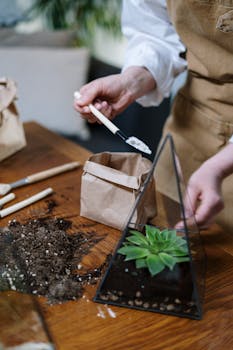
Building a miniature world while traveling feels like bringing magic in a box. Throughout your journey, travel kits designed for micro terrarium ecosystems reveal new ways to create vibrant, mobile habitats—right from your suitcase or backpack.
People crave more connection to nature, even on the go. Travel kits tailored for terrarium builds combine the essentials in one tidy case, letting anyone assemble lush micro landscapes anywhere inspiration strikes. Cozy, low-maintenance greenery makes those moments possible.
If you’re curious how to easily build and maintain micro terrariums wherever you wander, you’ll find every step, rule, and tip inside. Dive in for ideas, checklists, best containers, and real-life examples.
Choosing Your Perfect Kit for Travel-Ready Terrarium Creation
Finding a travel kit that matches your style saves hassle later. Always begin with the basic principle: compact equals ease. For micro terrarium ecosystems, each product’s size, material, and included tools change things.
Buyers will benefit by checking included container shapes, securing lids, substrate packs, and starter tools before leaving home. A checklist helps prevent last-minute issues when deadlines matter or flights approach.
Considerations for Kit Size and Weight
Prioritize lightweight containers. Search for travel kits marked under 2 lbs—avoid bulky glass unless it’s well-padded. Flip each kit over in your hands at home.
Those who have heavy or fragile supplies risk breakage or extra baggage fees. Small acrylic or polycarbonate vessels keep things safe through security and road trips alike.
If you need to shop or pack last-minute, focus on travel kits that specify airline-compliant sizing on packaging or descriptions. This single step cuts headaches at check-in.
Comparing Materials: Acrylic, Glass, and Plastic
Acrylic travel kits weigh less and cost less. They won’t shatter if dropped in hotel rooms or hostels. Plastic earns bonus points for bend-resistance but may scratch sooner with rough use.
Glass delivers clarity for plant viewing, though extra packing foam helps prevent accidents. Choose glass kits for short, careful trips; acrylic or plastic for buses or larger backpacks.
When you’re unsure, select a kit with a removable inner liner. Both material and maintenance become easier, all in one option.
| Kit Name | Weight (lbs) | Main Material | Best Use |
|---|---|---|---|
| EcoSphere Mini Travel | 1.1 | Acrylic | Carry-on/office |
| PlantPod Voyager | 1.3 | Polycarbonate | Long trips/bike |
| GlassNest Traveler | 2.0 | Glass | Hotel/short trips |
| LeafyLite Compact | 0.9 | Plastic | Pocket/quick set-up |
| TerraClip Pro | 1.5 | Acrylic | Work desk/mobile |
Stocking Core Tools and Supplies While Keeping Luggage Light
Maximize results with a trimmed-down toolkit. Every essential—mini shears, scoop, tweezers, substrate pods—matters more in tight spaces. The right travel kits bundle the best basics, skipping bulky spares you’ll never need abroad or in the car.
A good case clicks shut with zero rattling. To double-check, shake it gently after packing. If tools shift and make noise, thin out duplicates and secure powder packs in zipper bags for dryness and organization.
Tool Choices That Fit in Your Palm
Grip a pair of stainless mini tweezers—backup when planting delicate moss. Next, a folding trowel fits glove compartments or folios with zero bulk. A micro spray bottle rounds out the travel kit.
- Pack mini tweezers—essential for replanting or repositioning moss without harming roots, especially inside small-walled containers.
- Stash a collapsible scoop—the tapered end slides between layers and under stones, keeping fingers clean and placement precise while traveling.
- Add a fine-mist spray bottle—hydrating new plantings without flooding soil preserves air pockets for roots during the journey.
- Tuck in sterilized substrate pods—reduce mess and eliminate spills, as these single-dose packs provide exact amounts for layering anywhere.
- Include a snap-close micro funnel—makes adding sand, charcoal, or moss easy within confined terrarium spaces and prevents uneven mounds.
Thoughtful packing means you’ll never fumble for the right tool. Micro-sized essentials work together for fast, clean set-up in unfamiliar spaces.
Packing Safely for Movement and Climate
Use a hard-sided pouch for your travel kit, especially if plants will ride in checked bags or rough backpacks. Local humidity or heat may warp baggies and cases if they’re soft or left open during transit.
- Wrap glass or acrylic in felt rolls—prevents shattering or scratches from friction, useful for bus and train travel where containers jostle.
- Group all dry materials in waterproof zipper bags—keeps peat, sand, or charcoal dry if luggage is set on wet surfaces or leaks occur.
- Use silicone bands to hold scoop and tweezers together—the bundle is easier to find quickly during a build without digging deep.
- Pack fresh moss in a food-safe container—avoids odor transfer to other travel items and controls humidity within the terrarium ecosystem.
- Stash emergency wipes and bandages—unexpected slips or spills can be tidied in seconds even in the tightest spaces and deadlines.
Plan for accidents, and your travel kits will remain useful and ready throughout every leg of your adventure or commute.
Assembling a Micro Terrarium Ecosystem In Any Setting
Portable travel kits for micro terrariums let you set up on trains, planes, or picnic benches without mess or fuss. Follow a detailed, real-world plan for instant green space wherever your travels lead.
Every kit follows a sequence: base substrate, drainage, planting, then decorative elements. Repeat the script, settling miniature features small enough to fit comfortably but visible enough for daily enjoyment away from home.
Sequence for Fast, Anchor-Free Setup
Pour drainage rocks first—cover the bottom completely. Shake gently to settle without dust. Next, layer activated charcoal for odor and bacteria control. Both steps set a solid foundation even when surfaces are bumpy.
Loosen plant roots with tweezers or a chopstick tip. Hold down each plant by its base; angle upward so leaves touch container edges but don’t press.
Add substrate in small scoops. Press lightly with fingertips after every couple of additions. Once soil supports all roots and décor, seal the lid with a twist or push—it’s ready for display on arrival.
Environment Control: Light, Heat, and Moisture Management
Position your micro terrarium away from directed sunlight in temporary locations; bright diffused light works best for travel. If the trip continues overnight, relocate the container to a bag or shaded window ledge.
Monitor condensation under the lid. If mist forms, open briefly—keep the balance easy by checking each hour, especially in new hostels or vehicles with temperature swings.
Carry extra humidity domes (tiny lids or mini greenhouse covers) in your travel kit. Swap them as needed for more or less airflow, even when hotels blast AC or shut windows for security.
Replenishing and Refreshing Your Travel Kit on the Road
Stay adaptable—refilling your travel kits keeps builds fresh and fun. Keep spares handy in mesh pockets or side compartments. Think of it like swapping out batteries and snacks when hiking: routine and crucial.
Even a quick stop at a garden shop, gift store, or local market refreshes moss, substrate, or decorative bits. Always buy only what fits the leftover kit space to guarantee you travel light and organized.
Snagging Local Substrates and Accents
At farmers’ markets or plant shows, scoop up regional pebbles, tiny shells, or seed pods to add local flavor. Real enthusiasts collect regionally unique offcuts to personalize each micro habitat.
Wrap organic finds in wax paper or a spare sandwich bag kept dry inside the kit. Try, “I want a handful that fits in my palm—enough to decorate this travel terrarium.”
Sanitize fresh finds by zapping with a spray of boiled water, then air dry—this stops pests from sneaking into sealed micro ecosystems.
Replacing Tools Without Bulk
Visit pharmacy aisles for compact tweezers, nail scissors, or compact atomizers. Locals may even sell travel-sized tool kits perfect for terrarium tweaks on the fly, especially in luggage shops.
Hostels and hotels sometimes have lost-and-found boxes bolstering your kit. If you misplace a spoon or tweezers, borrow one and return it after use, with a quick rinse.
Write a tiny checklist and tape inside your case—cross off as you replenish, or note new tool swaps so every trip feels fresh, streamlined, and frustration-free.
Making Micro Terrarium Maintenance Part of Your Routine
Packing travel kits makes daily care possible, even when every day looks different. With habit comes ease: checking for condensation or adjusting soil becomes second nature instead of a chore.
Scheduling five-minute “green checks” in the morning and evening keeps terrariums thriving during long trips, business assignments, or camping adventures alike.
Quick, No-Mess Watering Scripts
Tap once on the mini spray bottle trigger—aim low near soil, not directly on delicate leaves. Misting every two or three days usually works in most climates if lids remain sealed.
If foliage looks limp yet soil remains moist, open the lid to air out, then water less frequently. Keeping your routine short prevents mold, encouraging lush micro ecosystem growth wherever you go.
Copy this reminder onto your phone: “Spray, peek, close. Let it breathe weekly.” Consistency means you’ll spot issues in time, no matter your location.
Cueing in on Overgrowth or Mold
Lift the lid weekly. Press down any outgrown stems with tweezers, trimming excess foliage to promote airflow. If white fuzz appears, scoop it with a tissue, add more charcoal, and reseal.
Observe the root zone by rotating the container slowly. If roots circle or thicken, pinch away any yellow leaves, signaling when to add fresh substrate or move to a larger vessel on your return.
Download a photo journal app. Snap weekly progress to spot tiny changes—compare green growth, root spread, and any clouding or mildew that calls for immediate action in travel kits.
Your Rituals Create Lasting Green Companions
Bringing a nature pocket on every trip delivers daily grounding and beauty. Travel kits take the uncertainty out of micro terrarium upkeep, letting you enjoy your ecosystem wherever inspiration lands you.
Each kit evolves through routine supplies checks and simple swaps on the road, keeping containers light and plant life healthy. These micro habitats grow with you, adapting to every new setting you explore.
Green routines act as rewarding mindful breaks in airports, trains, or unfamiliar hotels. You can carry your own living story, layer by layer—right in your pocket or backpack—every trip, every time.
Frequently Asked Questions
What should I do if my travel kit’s container cracks in transit?
Wrap the broken container in paper or bubble wrap to avoid injury. Look for sealed plastic food tubs or sturdy drink cups as instant replacements until you can shop for a new terrarium container.
How often should I water plants in my micro terrarium ecosystem while traveling?
Mist lightly every two to three days if the lid remains sealed and the climate isn’t extremely dry. If condensation stays visible on the glass, open the lid briefly to air out and reduce future watering needs.
Can I bring pre-assembled travel kits with live plants through airport security?
Most airports allow small, soil-based travel kits and micro terrariums in carry-on bags. Check the most recent airline or TSA rules. For international travel, always confirm plant import restrictions to avoid delays.
What are safe ways to sanitize local substrate or found decorations?
Spray with boiled water, then dry before use in your kit. Avoid soaps or harsh cleaners that might harm plant roots. Quick sunlight exposure for half an hour works if you’re outdoors or on the road.
How can I keep my travel kit’s supplies neatly packed during flights?
Use zipper bags for each item, and a hard pouch to prevent damage. Secure liquids separately and cushion fragile components with socks or soft fabric. Always double-check seals before boarding to prevent spills.