
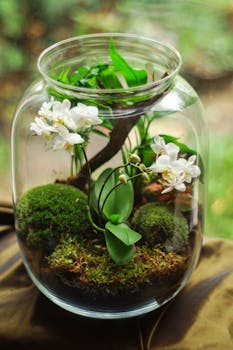
Picture the soothing green of a mini forest at your fingertips, thriving in a micro terrarium ecosystem. As you explore ways to bring that living scene indoors, propagating moss becomes an accessible project worth trying. Terrarium enthusiasts discover that growing new moss patches from existing ones uses less space and fewer resources than almost any other plant.
Micro terrariums allow you to create balanced, natural habitats on a small scale, giving moss the gentle, moist environment it loves. Propagating moss using fragments or spores is perfect for anyone seeking sustainable, low-maintenance greenery for their glass jars or decorative bowls. This eco-friendly approach makes lush, green carpets possible even in places where full houseplants might struggle.
Whether you’re looking for a detailed step-by-step or starting from scratch, this guide shares practical methods for propagating moss, troubleshooting tips, and realistic scenarios that help your verdant, tiny ecosystem thrive. Dive in to discover techniques and inspiration for your next terrarium adventure.
Identifying Healthy Moss for Your Micro Terrarium Ecosystem
Seeing robust moss patches makes propagation far easier and more successful. Healthy moss shows vivid color, dense growth, and lack of obvious dryness or decay, all of which help it adapt fast to its new home.
Start by gently parting a moss patch with your fingers—a healthy patch feels springy and a little moist, not brittle. When choosing what to replicate, look for information that shows the moss is actively growing and free from pests or mold.
Visual Clues That Support Strong Growth
Notice how healthy moss stays bright green, sometimes tinged with a soft yellow depending on species. If the patch holds its color in low light, that signals suitability for micro terrarium setups.
Browning at the tips or shriveled bits lower in the mat signal stress. If only a fringe is healthy, propagate just from that edge so you avoid introducing hidden decay.
Healthy moss recovers shape when gently compressed—imagine pressing a soft kitchen sponge and watching it spring back. Weak moss won’t rebound, so choose pieces that display resilience.
Simple Tools and Handling Habits for Safe Harvesting
Use long-tipped tweezers or even chopsticks to gently lift the moss without tearing it. Avoid pulling directly with fingers, which can crush the fine stems and hamper recovery during propagation.
A small, clean scissors or blade helps you trim neat segments from a mat. Once you have a few fragments, set them in a shallow dish, mist them, and keep them away from direct air drafts until replanting.
If gathering outdoors, shake loose soil from the roots and store moss in a damp paper towel, so it retains moisture without suffocating. Handle each sample as delicately as you would a fragile pastry crust.
| Moss Type | Best for Terrariums? | Visual Health Cues | Actionable Takeaway |
|---|---|---|---|
| Cushion Moss | Excellent | Thick, plush, bold green mats | Choose top growth for propagation |
| Sheet Moss | Great | Flat, vibrant, moist ribbons | Harvest wide patches carefully |
| Fern Moss | Good | Slightly feathery, dense layers | Snip healthy fronds, avoid dry tips |
| Haircap Moss | Excellent | Upright, brush-like tufts | Best for mini terrarium forests |
| Sphagnum Moss | Fair indoors | Loose, spongy strands; very wet | Monitor moisture to prevent mold |
Preparing Your Moss for Replanting Success
Clean moss fragments boost your chances of smooth, repeatable propagation inside a micro terrarium. Rinse each bit with clean, distilled water to remove soil and reduce the risk of pests and fungal spores.
Lay the moss pieces on a damp, non-absorbent surface, like waxed paper, to help them retain moisture while you arrange your terrarium. Working with damp, not soaked, moss ensures root-like rhizoids can settle into new substrates.
Sanitizing for a Healthier Ecosystem
Immerse moss pieces in a shallow dish of filtered water for 10 minutes to flush away tiny insects or dust. Lift them out gently—avoid squeezing or scrubbing, which can destroy delicate rhizoids necessary for anchoring in terrariums.
- Use distilled or rainwater—chlorinated tap water leaves residues that slow regrowth and can harm sensitive terrarium species.
- Work with clean hands and tools to reduce contamination paths for diseases or fungal outbreaks in your closed ecosystem.
- Let moss fragments drip-dry briefly on a cloth, so they’re moist but not dripping—this optimizes rooting when laid onto the new surface.
- Store sanitized moss in a vented container until you’re ready to plant, preventing mildew from high humidity or temperature swings.
- Label species in separate trays—the right moss in the right spot maintains ecosystem balance and enhances visual interest in your terrarium.
Once cleaned, keep the moss in a cool, shaded location if there’s any waiting period before setup. Even an hour in direct sun can cause stress during this stage.
Arranging Moss Without Overcrowding
Set moss pieces on the chosen substrate with slight gaps between them. This approach avoids crowding and encourages even, steady regrowth throughout your terrarium’s landscape—similar to planting seeds at proper spacing in a garden bed.
- Place moss fragments half an inch apart—ensures light, humidity, and airflow reach all growing tips as they expand.
- Press rootless bits gently into moist substrate; for clusters with rhizoids, nestle them so they make firm, stable contact with the growing medium.
- Lightly mist after placement to settle the fragments, being careful not to create puddles or disturb their evenly spaced pattern.
- Install other hardscape items (rocks, small sticks) before moss—moving them afterward risks uprooting delicate new patches.
- Adjust spacing in dense terrariums as growth fills in, clipping overly vigorous moss to prevent shading slower patches nearby.
Finally, close or partially cover your terrarium for the first week, so humidity stays consistent. Check for any dry edges daily, misting lightly as needed to jumpstart propagating moss success.
Creating the Right Conditions for Moss Propagation
Stabilized humidity, indirect lighting, and minimal airflow consistently yield the best results for propagating moss within a micro terrarium. Use these principles to design a setup where nearly every fragment flourishes on its own.
Choose a glass vessel with a close-fitting lid for optimal moisture retention. Add a drainage layer beneath your substrate to prevent soggy roots, mirroring natural woodland floors where moss thrives.
Managing Light With Simple Adjustments
Moss does its best under bright, filtered light—avoid windowsills with harsh midday sun. Morning light filtered through sheer curtains keeps colors vivid and encourages robust, steady expansion across the substrate.
Grow lights set eight to twelve inches above the terrarium provide even, year-round illumination. Use 12-hour cycles for most species. Rotate your terrarium one quarter-turn every week to even out coverage and prevent leaning.
Move terrariums a few feet from any heat source. Sudden temperature spikes combined with intense light dry moss quickly, halting propagation or even killing tender starts. Stability is your friend here.
Balancing Moisture and Airflow for Steady Growth
Daily misting with distilled water mimics forest dew, which moss relies on for expansion. If condensation coats the vessel, open the lid briefly to air it out, preventing mold blooms.
If the moss feels completely dry to the touch at midday, increase misting frequency or slightly reduce airflow. Conversely, yellowing or sour odors suggest too much trapped moisture—leave the lid ajar once a day until balance is restored.
Keep a hygrometer nearby in your workspace. Stable, high humidity encourages propagating moss, ensuring each patch establishes quickly and fills the space with lush growth.
Encouraging Fast, Even Coverage in Your Micro Ecosystem
Staggered starting points give propagating moss the space and time needed to eventually develop full, even coverage in your terrarium. Begin with patches separated as described and monitor any uneven or lagging spots for signs of stress or overcrowding.
When one area fills in faster, trim excess tips and gently press clippings into bare regions. These trimmings take root easily, acting as reinforcements that push for a seamless moss carpet. It’s a bit like filling potholes in a driveway—quick repairs keep the overall surface smooth and attractive.
Adjusting Care for Longer-Term Growth
Reduce misting once moss anchors solidly in the substrate, shifting to a “watch and respond” mindset. Notice edges curling up or faded color? Briefly increase humidity by adding a shot glass of water to the closed terrarium for a few hours.
Monitor for slow-spreading or thinning in older moss with magnifying glass checks. If you spot fuzzy gray patches, prune and remove them so healthy portions can keep spreading.
If new patches resist rooting long-term, lift and reposition with tweezers, pressing firmly into moistened substrate. Increasing humidity just a little more often can help in the settling phase.
Small Maintenance Steps That Keep Growth Balanced
Snip only the longest, shadiest tips every two weeks—think precision hairstyling, not lawn mowing. Over-pruning creates more gaps and lets light reach patch bases, driving denser regrowth for future propagating moss sessions.
Avoid using commercial fertilizers, which can burn moss or cause algae blooms. Rely on steady misting, light, and patience. A little judicious rearrangement goes further than chemical shortcuts here.
Each week, wipe the insides of your vessel with a damp paper towel to remove condensation streaks. This prevents drips onto the moss, which flatten fragile new shoots and encourage patchy discoloration.
Recognizing and Fixing Common Moss Propagation Mistakes
Direct troubleshooting saves time and frustration. Catching issues early ensures that propagating moss becomes a repeatable success in your micro ecosystem rather than a guessing game.
Pay attention to visual and scent changes. Bright greens shifting toward gray, or a musty smell, signal excess moisture or stagnant airflow, which threatens newly settling fragments.
Visual Checklist for Early Warnings
Wilting, pale leaflets and persistent drooping usually result from low humidity—adjust with gentler, more frequent misting. Yellowed or threadbare patches warn of too much direct sun or extreme dryness.
A sticky feel on top of the moss sometimes indicates mold; remove all affected parts and sanitize the terrarium. Recheck substrate drainage—the right amount of airflow at the surface creates a healthier baseline for any further propagation attempts.
If you sense a strong sour odor, open the lid to vent and skip misting for a day. Replace substrate if rot becomes widespread, saving healthy segments for restart.
Stepwise Responses for Healthier Results
Troubleshooting works best with a clear plan. Remove dead debris weekly, using tweezers and a soft brush. If you notice stubborn recovery issues, gently re-soak moss fragments to flush accumulated salts.
Keep a propagation log, noting changes in color, spread, and humidity so you can make gradual adjustments instead of drastic shifts. Remain steady: predictable routines help micro environments recover and adapt.
If a whole moss carpet fails in one terrarium, start anew with trimmed, healthy bits under revised conditions. It’s the same process skilled gardeners use—refine your setup, and the next round of propagating moss builds on your experience.
Growing Moss Fragments Into a Beautiful Terrarium Landscape
Intentional arrangement and patient observation help propagate moss into the lush, velvet greens characteristic of stunning micro terrarium ecosystems. Plan your design as if painting—groups and negative space combine for beauty and healthy balance.
Layer smaller clumps along slopes or crevices where moisture collects and encourage upward growth into higher spots with only indirect light. Over time, these patches merge, giving your ecosystem a natural, layered appearance.
Scenario: Designing a Moss-First Terrarium
Imagine placing haircap moss upright near the center and flanking with gentle mounds of cushion moss. Press each fragment into moist substrate and mist lightly. Within weeks, soft green runners bridge open gaps and fill corners.
Midway through the month, rotate the terrarium and trim shaded sections that advance rapidly. Transplant those trimmings closer to the glass for a window effect. A few stones or small branches round out the woodland illusion.
Photograph changes weekly—tracking spread lets you spot areas where propagation needs a boost or shows signs of declining vigor. Adjust misting or open the lid as needed for balance.
Mini Checklist: Terrarium Moss Weekly Routine
Check for condensation levels each morning and wipe vessel walls if needed. Mist evenly, then observe spread and edge rooting. Prune overreaching or browning shoots back to the nearest healthy green.
Gently press top-heavy patches into the substrate; moss won’t survive if suspended in air. Move decorations or props as new clumps settle, making small tweaks rather than full redesigns.
Track every change and keep clippings in a labeled cup. Reuse healthy fragments for patch-ups as needed, strengthening the overall ecosystem and keeping propagating moss a regular, sustainable practice.
Building on Your Moss Propagation Success
Remember that propagating moss for your micro terrarium is both an art and a science, with each cycle teaching new tricks for a more resilient ecosystem. Your collection matures with your habits: attentive checks and patient adjustments reap the lushest rewards.
Every successful propagation round transforms small fragments into a thriving green tapestry. Focusing on healthy starting material and environmental stability means you’ll rarely need to buy new moss—saving money and limiting waste.
A thriving micro terrarium showcases vibrant, interconnected moss patches, rewarding ongoing care with a miniature landscape worthy of display. Propagating moss becomes second nature, blending routine and creativity for the ultimate at-home green retreat.
Frequently Asked Questions
What’s the easiest moss to propagate in a closed terrarium?
Sheet moss and haircap moss adapt quickly, root well, and maintain color in low light. Start with small, healthy patches, and follow the moisture guidelines above for quick results.
How long does it take for moss to fully cover the substrate?
With consistent misting and optimal conditions, expect visible spreading in three weeks, and near-full coverage within two to three months. Trimming and spacing patches help blend edges for a seamless look.
Can I propagate moss from dried craft moss?
Dried decorative moss won’t regrow, as it’s been preserved or treated. Always use fresh, living moss for propagation in terrariums; it remains viable and adaptable to new environments.
Should I use fertilizer when propagating moss?
Mosses don’t require added fertilizers; minerals in rain or distilled water are sufficient. Fertilizers can encourage algae or harm delicate moss pads. Rely on water, humidity, and light instead for healthy propagation.
How do I prevent mold or rot during propagation?
Use filtered or distilled water, ventilate the terrarium weekly, and monitor for condensation buildup. Remove yellow patches promptly. Proper substrate drainage and balanced moisture are crucial to avoiding rot in propagated moss.