
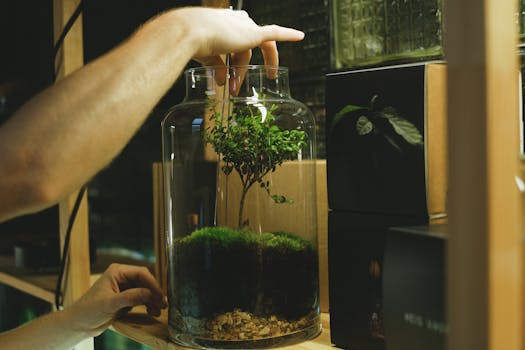
A mini ecosystem inside a glass container evokes a sense of wonder. The smallest leaves and shoots play crucial roles, with pruning techniques acting as keys that keep everything thriving. These tiny adjustments can transform your micro terrarium into a balanced, healthy landscape.
Caring for miniature plants isn’t just about letting nature run wild. Without regular pruning techniques, these living worlds can quickly become overcrowded or suffer from weak growth. Just like gardens outdoors, micro terrarium ecosystems demand careful, timely attention from their keepers.
Dive into this guide to learn how expert-backed pruning techniques sustain thriving mini gardens. You’ll discover hands-on strategies, realistic scenarios, practical tools, and easy routines to shape these worlds toward lasting health and beauty.
Establishing Routine Pruning for Healthy Micro Terrarium Ecosystems
Committing to consistent pruning techniques prevents overgrown plots and stunted plants. A basic schedule can help you anticipate new growth, cut back weak spots, and keep the ecosystem tidy—all before problems escalate.
Checking in weekly is ideal for most setups. Plan a specific day—”every Sunday before lunch”—to glance over your micro terrarium and act on anything that looks too crowded or faded. This habit takes only minutes and rewards you with vibrant plant life.
Observing Plant Signals: The Leaf and Stem Language
Healthy micro terrarium plants have firm leaves with crisp edges and upright stems. Limp, yellowing, or tangled foliage signals that targeted pruning techniques can help redirect plant energy and renew overall growth.
Use your fingertip to nudge leaves lightly. If a stem flops or slides across the soil, trim right above a healthy node. This keeps new shoots compact and robust.
When in doubt, cut at the intersection where leaf meets stem. Over time, you’ll notice how certain species bounce back after trimming, signaling you’re building confidence with each routine check.
Seasonal Adjustments: Timing Your Tools for Growth Spurts
During spring and early summer, growth speeds up and new shoots pop out rapidly. Pruning techniques should be more frequent, with minor trims every week to keep plants compact and prevent overshadowing.
In winter, many micro terrarium species slow down. Only lightly prune dead or diseased parts, avoiding heavy cuts. Use clean scissors to avoid introducing bacteria during the dormant season.
If you maintain both closed and open containers, note different rates: closed systems often need slower, lighter pruning, while open types can handle bolder snips as air and humidity fluctuate.
| Pruning Tool | Best For | Frequency | Key Takeaway |
|---|---|---|---|
| Fine-tip scissors | Leaf and stem trims | Weekly | Establish precision and avoid tearing plant tissue for quicker recovery. |
| Tweezers | Delicate removal of dead material | Weekly or as needed | Lift debris without displacing sensitive roots or moss patches. |
| Mini pruning shears | Woody or thick stems | Biweekly | Handle tough growth for structured plants like dwarf ferns. |
| Alcohol wipes | Tool sterilization | Before/after every use | Prevent pathogen transfer between plants, which is critical in enclosed settings. |
| Soft brush | Dust or fine debris removal | Monthly | Keep leaves photosynthesizing efficiently and maintain aesthetic clarity. |
Targeting Overgrowth and Shaping for Symmetry
Managing the visual layout and density with thoughtful pruning techniques helps avoid a tangled, unruly terrarium. Aim for natural balance by evenly spacing foliage and keeping each plant’s silhouette sharp and symmetrical.
Start by pinpointing which shoots or leaves block light for smaller neighbors. Cut back the largest elements first, working outward in small snips. Watch for instant improvement in airflow and brightness within the glass container.
Mini Checklist: Keeping Growth in Check
Spot unchecked growth by monitoring leaf overlap, crowded soil levels, and moss patches overtaking slower growers. List these issues out loud or jot them down each inspection to prevent missing subtle early signs.
- Trim leaf clusters crowding the glass—boosts inside light for all plants; snip at the base, not mid-leaf, to avoid brown tips.
- Remove shoots blocking smaller plants—fosters balanced heights; cut just above a healthy node and reposition any leaners gently.
- Pinch back new tips on fast growers—slows their progress but encourages thicker growth; use light pressure or tweezers for accuracy.
- Clear moss creeping up stems—prevents rot and mold; scrape excess using a toothpick, working gently between roots to maintain stability.
- Reevaluate spacing monthly—shift plants if necessary to reclaim symmetry, using a soft brush to settle disturbed soil or decorative gravel.
Sustain symmetry by inspecting from multiple angles—rotate your terrarium slowly to ensure harmony from all sides. Shaping doesn’t mean uniform; let each mini ecosystem keep a unique character while making sure no single plant dominates the space.
Scenario: Managing a Lush Moss Carpet
Picture this: you notice the moss is inching up the sides, crowding baby ferns. Say aloud, “I’ll trim moss edges and free up light.” Using tweezers, lift sections and cut them back toward their original patch.
- Check moss edges for fuzzy overgrowth—isolates the most aggressive patches first. This allows each type of moss or lichen a fair chance to thrive.
- Clip only outer layers—preserves center health. Watch for color changes; if you see brighter green in the core, you’re preserving vitality.
- Use a small brush to remove trimmings before they settle on other plants. Actively brushing helps avoid accidental propagation of unwanted moss sections.
- Assess airflow by looking for condensation above trimmed spots. Better air means reduced mold risk over time—an added benefit for your micro environment.
- Re-water lightly after shaping, aiming mist at the moss, not the glass. This rule encourages regrowth in the targeted area, maintaining the look you desire.
With this consistent process and regular auditing, moss remains lush but contained, and your other plants avoid being buried beneath it.
Pinching, Cutting, and Deadheading for Lasting Growth
The right pruning techniques will signal plants to redirect energy, making them bushier and more resilient. Pinch, cut, or deadhead in intentional, measured moves to promote compact foliage and strong roots in tiny spaces.
Some plants naturally bush out when pinched, while others need sharper cuts. Study your species—see whether pinching leaf tips or trimming stems makes the plant respond with fuller, denser growth or just slows stretching.
Pinching Tips: Thickening Foliage Without Overdoing It
Pinching means snapping off the newest leaf bud between your fingertips. This limits upward growth while doubling branches below. Mosses and creeping plants love this approach, making the whole carpet appear thicker overnight after consistent, gentle pinches.
Try the “rule of three”: pinch only three tips per plant per week to prevent shock or unsightly bald spots. Monitor response; touch leaves gently to judge turgor—if they bounce back, you’re on track. If limp, postpone further pinching.
Always pinch early in the week after watering, so plants have enough moisture to recover. If you notice instant sap release, blot gently with a clean tissue to avoid fungal risk. Adapt frequency if your climate is drier or humidity swings.
Clean Deadheading: Removing Spent Growth
Deadheading clears away faded flowers or dried leaves using clean tools. For example, if miniature Fittonia starts to brown at the edge, snip off each dead segment just above the next green section. This keeps the plant channeling resources to healthy shoots.
Keep a container or paper towel handy for trimmings. By collecting debris immediately, you prevent mold or rot developing inside your closed terrarium. Sweep leftovers out with tweezers if needed before resealing the lid.
Practice “see and remove,” checking for deadheads every visit. If you spot mushy stems or brown edges, trim within twelve hours. Regular, gentle attention sustains a healthier micro ecosystem day after day.
Creating Harmony: Long-Term Success with Pruning Techniques
Mastering purposeful, gentle pruning techniques brings balance to your micro terrarium. Through timely, regular action, you guide lush foliage, preserve strong roots, and maintain clear lines between plant types—sustaining health and beauty alike.
Remember that small actions, done weekly, prevent most issues down the line. Each snip or pinch shapes not just the plant, but the entire miniature ecosystem you’ve carefully assembled within the glass walls.
Embrace ongoing observation and consistent routines. By tuning your pruning techniques to the needs of each species, you ensure a vibrant, ever-evolving slice of nature tamed by your care—and always brimming with life.
Frequently Asked Questions
What’s the safest way to prune delicate leaves in a closed terrarium?
Use fine-tip scissors disinfected with alcohol wipes. Hold the leaf steady with tweezers, cut cleanly right above a node, and remove all debris. Work slowly to avoid disturbing neighboring moss or root beds.
How often should I apply pruning techniques for the fastest results?
Inspect weekly, but only trim when visible overgrowth, leaf overlap, or brown spots appear. Frequent minor trims are better than rare drastic cuts—your terrarium stays stable and plants respond without shock.
Should I prune aquarium mosses or do they need special treatment?
Aquarium mosses in closed terrariums appreciate gentle pinching along the edges rather than heavy trimming. Use tweezers to lift and cut only the fastest-growing runners, then mist lightly for optimal regrowth.
How do I prevent mold after using pruning techniques?
Immediately remove all trimmings, and let your terrarium vent for 30 minutes before resealing. Wipe excess moisture from glass, sterilize tools every session, and keep humidity in the recommended range for your plant types.
Is there a best time of day to use pruning techniques?
Midmorning is ideal. Open your container when plants are dry to the touch but not parched; this helps tissues recover quickly. Avoid late evening—cooler temperatures can slow wound healing and raise mold risk.