
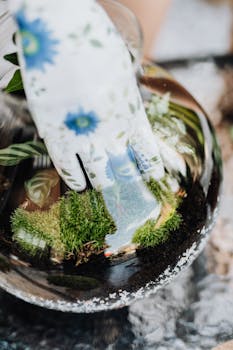
Imagine the whimsy of intricate vintage machinery meeting miniature ecosystems, where brass gears and vibrant moss live side by side. That’s the delight behind steampunk terrariums—tiny glass worlds blending historic style with organic charm.
Many home decorators seek distinctive conversation starters. Steampunk terrariums stand out because they combine natural growth with metallic embellishments, echoing both nostalgia and innovation. Their appeal lies in balancing the unpredictable nature of plants with the precision of industrial-inspired detail.
If you’re curious about crafting or styling these retro-futuristic micro environments, this article walks you through theory, design rules, and real-world setups. Read onward for concrete tips, comparisons, and actionable steps rooted in experience.
Choosing Authentic Steampunk Elements for Lasting Charm
Selecting the right steampunk accents gives micro terrariums a signature personality. Start by choosing metallics—copper, brass, and iron bring unmistakable old-world flair. A successful steampunk terrarium reflects Victorian engineering combined with organic forms.
Integrate miniature gears, watch cogs, and keyholes. Aim for pieces weathered by time; avoid shiny, modern finishes. Arrange objects so they gently rest on moss or gravel for a harmonious visual contrast with botanical elements.
Your First Steampunk Accent: A Quick Scenario
Picture arranging a small collection of antique watch gears in the corner of a three-inch glass globe. Tuck them between preserved moss and a twist of driftwood. Once placed, the gears look discovered, not staged—evoke hidden stories with each angle.
For a whimsical start, mix in a tiny brass key beside a tillandsia (air plant). The key’s dark patina feels naturally weathered, and its welcome curve echoes the plant’s shape. Such details pull Victorian atmosphere directly into the living micro-landscape.
If you’re unsure where to find authentic metal accents, raid craft shops for vintage jewelry scraps, old locks, or repurposed tech parts. Before adding, wipe gently with a dry cloth to remove any debris, keeping the biome safe for plants.
Creating Balance: Rule of Thirds Meets Steampunk Design
Divide the visual space into thirds before positioning steampunk elements. Cluster small gears at intersecting lines or corners of the micro terrarium. This follows classic art composition rules, guiding the eye from natural greenery to curated metal.
For instance, in a glass dome three inches across, place dominant metallic objects off-center—never in the direct middle. Alternate soft moss with firm metal. This triggers visual curiosity and adds dimensional depth. Left-to-right movement echoes clockwork motion.
Balance light and dark tones by tucking aged metal (dark, matte) against lush green (bright, soft). The conversation between retro hardware and vibrant life is the beating heart of steampunk terrariums—let each accent highlight, not overpower, its surroundings.
| Steampunk Accent | Material | Placement Rule | Takeaway |
|---|---|---|---|
| Miniature Clock Gear | Brass/Iron | Near moss patches, slightly buried | Blend mechanical with living textures |
| Old Skeleton Key | Antique Brass | Leaned against driftwood or pebbles | Highlight curves that echo plant shapes |
| Tiny Pipe Segment | Copper | Horizontal/partially exposed in gravel | Suggest underground networks |
| Watch Face | Worn Metal | Flat against back glass, partially visible | Create a story of hidden time |
| Mini Lock or Hinge | Blackened Iron | Base point by pebbles or moss mound | Anchor overall composition |
Curating Plant Life to Match the Steampunk Theme
Pairing plants with steampunk decor creates harmony. Select species that echo Victorian fascination with rare, resilient greenery. Consider textures and shapes; opt for ferns, mosses, and miniature succulents to evoke curiosity.
Choose low-light loving flora for micro containers—air plants, java moss, peacock moss, or tiny cryptanthus. These plants thrive under glass and adapt well to the warm, closed climate within steampunk terrariums.
For Dramatic Effect: Use Contrasting Leaf Patterns
Combine striped or patterned foliage with rugged metals. Cryptanthus leaves, with silver flecks, bounce light off weathered gears. Mix creeping mini-ferns alongside pocket-watch faces for dynamic play between organic and mechanical.
- Mix in dark green moss for shadowy depth. Place in the background to set a mysterious mood—subtle contrast emphasizes the “secret garden” vibe.
- Incorporate vivid tillandsia for movement. Its tendrils curl naturally around gears, echoing mechanical springs. Place atop stones, letting foliage touch metal without crowding.
- Layer java moss along terrarium bases. Let it creep toward antique keys—this softens hard edges and amps up the overgrown machinery effect.
- Dot pockets of peacock moss near glass, as if steam were condensing around pipes. This plant’s blue-green hint pairs especially well with copper trellis accents.
- Add miniature succulents between cogs. Their rosette forms mimic Victorian decorative flourishes; place them where they receive filtered light for best color.
Pick plants that stay small, as micro terrariums should never feel crowded. Leave “negative space” between structures for a more natural and visually spacious scene.
Color-Texture Coordination: Elevate the Visual Story
Pick foliage that brings drama—and balance—to your palette. Dark greens pop against brass. Try reddish or burgundy leaves to mimic old copper patina. Intersperse thin-leaved plants with chunky gear pieces for contrast.
- Group plants with glossy leaves near matte metals. The visual interplay mimics vintage leather books beside machinery—a classic steampunk library feel.
- Arrange feathery moss under large, flat keys. This effect resembles velvet cushions supporting scientific tools, which adds luxurious retro undertones.
- Keep similar leaf shapes apart. Break up patterns and textures for greater impact; don’t let the eye lull into a single motif.
- Avoid bright, clashing blossoms; instead, favor earthy, muted, or jewel-toned plants. These coordinate better with industrial steampunk terrarium finishes.
- Anchor any complex arrangement using a single, visually dominant plant. Treat this like the protagonist in your tiny Victorian fantasy narrative.
With thoughtful choices, plants activate the drama and depth of steampunk terrariums instead of competing with metal flourishes.
Structuring Layers and Depth for Realistic Steampunk Micro Worlds
Precise layering guarantees your micro terrarium ecosystem feels truly immersive. Each material layer—starting from the base up—has a purposeful place, both for function and vintage style.
Create interesting height differences by using extra pebbles or uneven soil. Mimic the look of underground tunnels beneath city streets by raising one side and letting plant roots slope downward.
Applying the Mechanical-Lens Analogy
Think of layers in your steampunk terrarium as old camera lenses, focusing viewers’ attention. Foreground is your display glass. Midground: place gears, driftwood, and succulents. Background holds moss clouds and upright cogs for a faded silhouette effect.
Stagger the metallic items at varying heights so each is visible from the front. Layer softer elements (like sheet moss) just behind to make hard metal stand out while softening transitions between zones.
No two layers should be even or predictable. Rotate objects slightly, letting bits of gravel or moss peek between gears. Imperfection mirrors natural decay found in forgotten machines, deepening the authenticity of your steampunk terrarium scene.
Mini Sequence: Arranging Terrain from Base Up
Start with 1 inch of pea gravel (improves drainage in closed environments). Sprinkle activated charcoal to keep earthy smells at bay. Next, add 1–1.5 inches of quality terrarium soil, gently sloped for uneven terrain.
Lay in moss or thin ferns, sinking roots below gear edges. This style hints at nature overtaking industry. Arrange main steampunk artifacts—key, watch, cog—nestled into softened corners, not simply perched on top.
Topmost, place delicate tillandsia in dry spots for contrast. Angle dramatic driftwood upward as if supporting gears overhead. Finish with a dusting of pebbles to highlight well-traveled or “worn” paths through your glass micro landscape.
Setting the Scene: Lighting Principles for Steampunk Terrariums
Correct lighting enhances the retro mystique and plant health within a micro terrarium. Use small, warm-toned LED pucks or battery-powered fairy lights to imitate vintage lamps—never introduce excessive heat to the closed ecosystem.
Position light sources slightly above eye level to cast realistic industrial-style shadows across gears and glass. Indirect lighting prevents harsh glare and is crucial for the longevity of miniature ferns and mosses.
Elevate Ambience with Layered Illumination
Mount tiny LED strips inside the lid or behind the terrarium to imitate the glow of Victorian gaslights. Add a single amber bulb for drama. Place warm-white fairy lights behind structures to simulate faint, atmospheric backlighting.
This approach helps different steampunk terrarium features—metal, glass, plant—stand out individually rather than blending together. Subtle refraction through curved glass adds mystery, making your scene feel like a snapshot from a sepia-toned story.
Avoid blue-toned or direct, overhead spotlights. These give a clinical feel that erases the shadow-play essential for a believable mechanical-botanical mix. If needed, switch to lower light at twilight for maximum effect.
Personalizing with Miniature Props and Story Details
Use authentic touches that echo narratives from old adventure novels. Choose props that look lived-in—a suitcase, a model airship propeller, or even a tiny telescope all draw viewers deeper into your micro world.
Play with scale. If the terrarium contains a big gear, juxtapose it with a small figurine or a miniature street lamp to set an atmospheric scale contrast. Every detail can hint at stories: invent a missing inventor, a guardian lizard, or a lost artifact.
Mini Checklist for Story-Driven Additions
- Drop a coiled wire near moss for implied steam power. This cue tells viewers, “someone recently tinkered here.”
- Include sanded-down bottle glass as windows. Angle it for reflection to signify moonlit nights over metallic cities.
- Add tiny paper scrolls tied with thread to suggest inventor’s notes—ideal for hidden pockets among plant roots.
- Seat a micro-figurine; a lone explorer or botanist works. Position them peering into gears for visual dialogue.
- Use half-buried compasses or mini lanterns for wayfinding. Shine a dot of LED next to it for discovery vibes.
Every prop should interact organically with a plant or metal element. Tie each feature to a descriptive scene in your own internal narrative for lasting engagement.
Maintenance Tips to Keep Micro Terrariums Thriving
Routine care keeps your steampunk terrarium vibrant and historically evocative. Mist weekly, avoiding water pooling on metal, which can accelerate rust or mildew. Plants should appear perky and metals lightly aged, not corroded or toxic.
Always check for condensation build-up on glass. If too much forms, air the container briefly and wipe off excess. Use a cotton swab to clean tiny gears or props—never submerge antique metals in water, as this can strip their patina.
Quick Reference Maintenance Table
| Task | Frequency | Why It Matters | Scripted Action |
|---|---|---|---|
| Mist leaves | Weekly | Prevents dryness, boosts plant health | “Gently mist all visible foliage, avoid metal pieces” |
| Aerate soil | Monthly | Reduces risk of mold | “Use a wooden toothpick to fluff soil, work around props” |
| Clean cond. glass | As needed | Keeps view and air flow clear | “Wipe glass with microfiber, corner to corner” |
| Check rust | 2x month | Prevents metal decay and discolor | “Dab tiny amount of mineral oil, then wipe” |
| Rotate display | Bimonthly | Ensures even growth | “Spin jar a quarter turn, check balance of light and shadow” |
Expanding Creativity: Custom Themes for Each Terrarium
Give your steampunk terrarium its own unique storyline, using colors, props, and textures as narrative brushstrokes. One jar could tell of a clockmaker’s workshop overtaken by vines; another, a forgotten railway station reclaimed by moss.
Blend folklore with history by incorporating map fragments or brass compasses. For dynamic displays, make simple swaps with seasons—trade a stormy metal prop for a bronze leaf in autumn, or add icy blue gems for a wintry twist.
Final Thoughts: Celebrate Vintage, Living Art in Miniature Worlds
The magic of steampunk terrariums is their seamless union of botanical marvels and retro mechanical accents. Each micro landscape becomes a living diorama: evolving, stunning, and rooted in both nostalgia and invention.
As living art, these micro terrarium ecosystems invite curiosity and spark conversation. They serve as creative proof that Victorian style and natural harmony can coexist within a palm-sized glass globe.
Experiment with new configurations, rotate fresh plant-and-prop pairings, and keep your steampunk terrarium distinctly yours. Every arrangement offers new stories in miniature, rewarding patient observation and personal flair with every glance.
Frequently Asked Questions
What are the best plants for steampunk terrariums?
Choose shade-loving species that survive well in small, enclosed spaces. Try ferns, mosses, air plants (tillandsias), and miniature succulents. These varieties adapt cleanly to micro terrarium life, requiring infrequent watering and thriving amid metal accents.
How should I clean gears and metal props in my terrarium?
Wipe metal props using a soft, dry cloth or cotton swab. For extra patina, use a drop of mineral oil on a cloth and buff gently. Never soak items or leave them submerged—this protects both finish and terrarium ecology.
Can water damage the metal parts of a micro terrarium?
Misting plants is fine, but avoid direct contact with metal. Water buildup causes rust and can deteriorate finishes. If an area gets wet by accident, dry gently with a tissue and increase airflow. Regular inspection keeps metal beautiful and safe for plants.
Are steampunk terrariums safe for pets or children?
Glass containers and small metal pieces can be hazardous if dropped or handled immaturely. Display these micro terrarium ecosystems out of reach from curious pets or small children for safety. Adult supervision is recommended during creation and maintenance for best results.
Where can I buy authentic steampunk terrarium supplies?
Shop locally at antique stores, specialty craft suppliers, or online sellers focused on vintage jewelry and clock parts. Look for listings with detailed photos and authentic patinas. Always ask sellers about previous use or cleaning methods to ensure plant-safe metal props.